NJ Taxes Your Used Honda but Lets Many Private Jet Buyers Skip Sales Tax
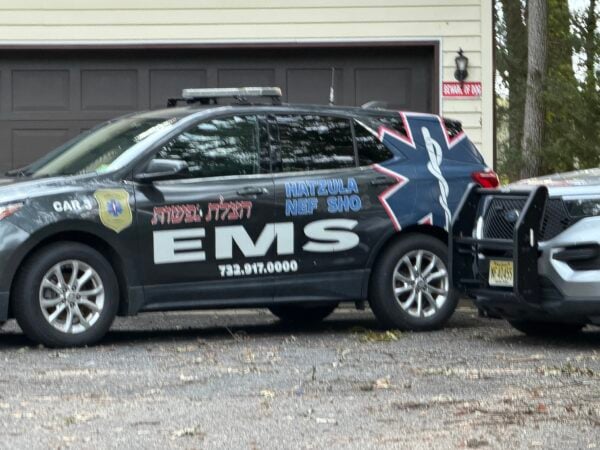
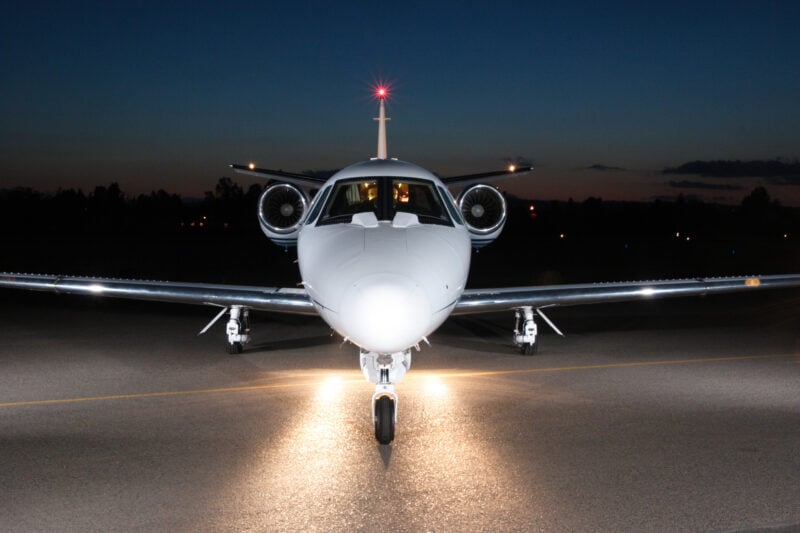
TRENTON, N.J. — New Jersey residents buying a used car from a neighbor can face thousands of dollars in sales tax, but wealthy buyers purchasing private aircraft often pay nothing under a decades-old “casual sale” exemption buried in state tax law.
Under New Jersey tax rules, most motor vehicle purchases — including private-party transactions, trades, and vehicle swaps — are subject to the state’s 6.625% sales tax rate.
But aircraft purchases receive dramatically different treatment.
According to New Jersey Division of Taxation guidance, the sale of an airplane is exempt from sales tax if the aircraft was previously owned for personal use and sold in what the state defines as a “casual sale.” That means many privately owned jets and planes can legally change hands tax-free, even when worth millions of dollars.
The exemption does not apply if the aircraft was used commercially for charter operations, rentals, flight instruction, or dealer resale inventory. But personal-use aircraft sales generally qualify for the carveout for millionaires who can afford them.
Now, we’re not calling for a tax on planes, but making cars follow the same tax rules as planes would be nice.
The disparity has fueled criticism from taxpayers and advocates who argue ordinary residents shoulder heavier tax burdens on necessities like cars while high-end aviation purchases receive favorable treatment.
Car Buyers Face Strict Tax Enforcement
New Jersey aggressively enforces sales tax collection on automobiles, including used vehicle transactions between private individuals.
The state warns buyers that failure to report accurate purchase prices can trigger additional assessments based on National Automobile Dealers Association valuations.
Even non-cash vehicle trades are taxable.
State guidance specifically notes that swapping vehicles, trading property, or exchanging services for a car still creates a taxable event based on fair market value.
Examples provided by the Division of Taxation include:
- A person trading a $25,000 boat for an SUV still owes sales tax on the vehicle value
- Two friends swapping vehicles owe tax on the fair market value of both vehicles involved
- A gifted car with a transferred loan balance may trigger tax liability on the debt assumed
The rules apply regardless of whether the transaction occurs through a dealership or privately between individuals.
By contrast, an individual purchasing a privately owned aircraft for personal use may avoid paying any sales tax at all if the sale qualifies under the casual sale exemption.
Aircraft Exemption Benefits High-End Purchases
The aircraft exemption stems from language in New Jersey’s Sales and Use Tax Act defining qualifying casual sales as isolated transactions involving personal property originally obtained for the owner’s own use.
Critics say the law effectively creates a tax shield for affluent buyers purchasing luxury aircraft while middle-class residents face unavoidable taxes on daily transportation.
The contrast becomes especially stark given the price difference between ordinary cars and private aircraft.
A used sedan purchased for $25,000 generates roughly $1,656 in New Jersey sales tax. A privately owned jet sold for several million dollars may generate zero tax liability if classified as a casual sale under state rules.
New Jersey also exempts certain out-of-state aircraft owners storing planes in the state if they are not considered New Jersey residents for tax purposes.
Key Points
• New Jersey charges 6.625% sales tax on most vehicle purchases, including private sales
• Many private aircraft sales qualify for a “casual sale” exemption and avoid sales tax entirely
• Critics argue the system favors wealthy aircraft buyers over ordinary car owners
Critics Question Fairness of Tax Structure
Tax policy experts and government watchdog groups have long criticized carveouts benefiting luxury asset purchases while broader consumption taxes affect ordinary residents more consistently.
New Jersey already ranks among the nation’s highest-tax states when property taxes, income taxes, and sales taxes are combined.
The aircraft exemption remains legal because it falls under statutory definitions within the state tax code rather than a special discretionary loophole created administratively.
Supporters of casual sale exemptions argue they prevent double taxation on previously taxed personal property and simplify enforcement on occasional private transactions.
But critics note the practical effect disproportionately benefits owners of high-value assets like planes and business aircraft.
The state has not indicated any plans to revisit the exemption despite ongoing affordability debates affecting transportation, housing, and taxation across New Jersey.
Meanwhile, ordinary residents purchasing used vehicles continue facing mandatory sales tax collection, affidavit requirements, valuation scrutiny, and potential audits from the Division of Taxation.
The contrast highlights how New Jersey’s tax code treats everyday transportation and luxury aviation purchases under sharply different standards.
Alternative Headlines: