
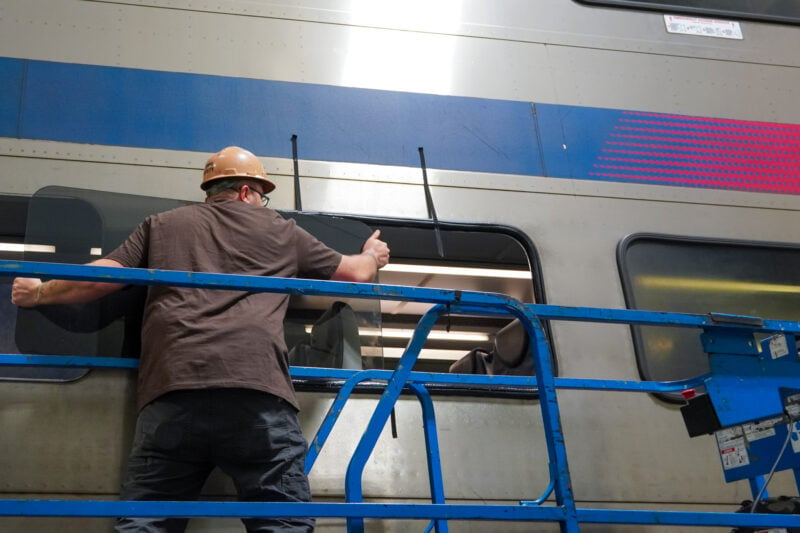
NEWARK, N.J. — NJ TRANSIT announced it has replaced windows on 241 multilevel rail cars, representing 56% of its current multilevel fleet, as the agency continues an accelerated effort to eliminate the cloudy windows that have become a frequent complaint among rail passengers.
The transit agency said the upgraded windows offer improved durability, clearer visibility and a more comfortable ride as part of its broader investment in modernizing the rail fleet.
Years of commuter complaints
The hazy windows that have plagued many of NJ TRANSIT’s double-decker trains are not simply dirty. According to the agency, the polycarbonate material used in the original windows permanently degrades after years of exposure to ultraviolet light, extreme temperatures and acid rain, creating a frosted appearance that cannot be cleaned away.
The deteriorated windows have long been a source of frustration for commuters. Riders have frequently complained on social media and online forums that the opaque glass makes it difficult to enjoy the view, recognize landmarks or even identify approaching stations.
“Progress you can see!” NJ TRANSIT said in a social media update. “NJ TRANSIT has now replaced windows on 241 Multilevel rail cars—representing 56% of the current Multilevel fleet.”
Project accelerated to finish sooner
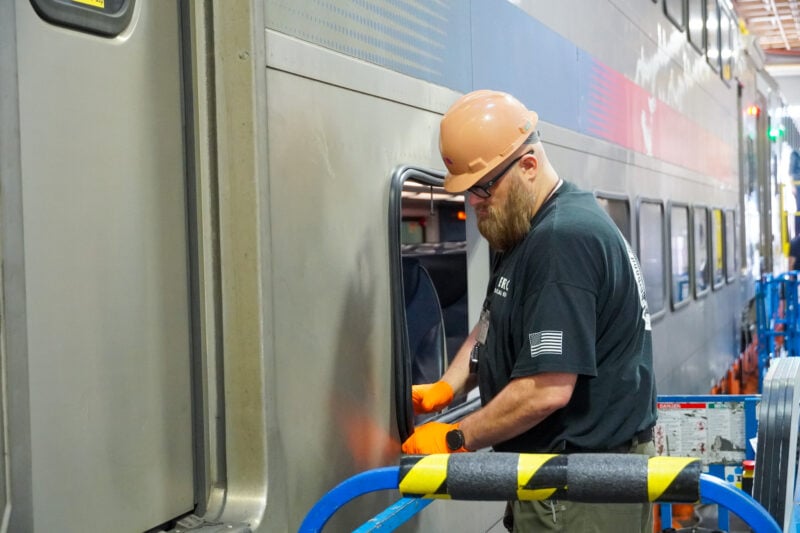
The window replacement is part of a larger modernization effort affecting nearly 400 multilevel rail cars. In total, more than 13,000 windows are scheduled to be replaced throughout the fleet.
Originally expected to take six to eight years, NJ TRANSIT accelerated the project into a three-year schedule. The agency expects the work to be completed by April 2028.
According to NJ TRANSIT, the replacement windows feature improved optical clarity along with specialized UV-resistant coatings designed to better withstand the environmental conditions that caused the original windows to become permanently cloudy.
Once complete, the agency says passengers across the fleet’s multiple levels should experience significantly improved visibility while traveling throughout New Jersey and into New York.