
MIDDLETOWN, NJ — New Jersey environmental officials are monitoring an active outbreak of Highly Pathogenic Avian Influenza (HPAI), also known as H5N1, following reports of sick and dead birds at multiple locations across the state, including Monmouth and Gloucester counties.
The New Jersey Department of Environmental Protection (NJDEP) confirmed that avian influenza has been circulating in wild birds throughout all 21 counties and continues to be tracked by NJDEP Fish & Wildlife in coordination with federal partners.
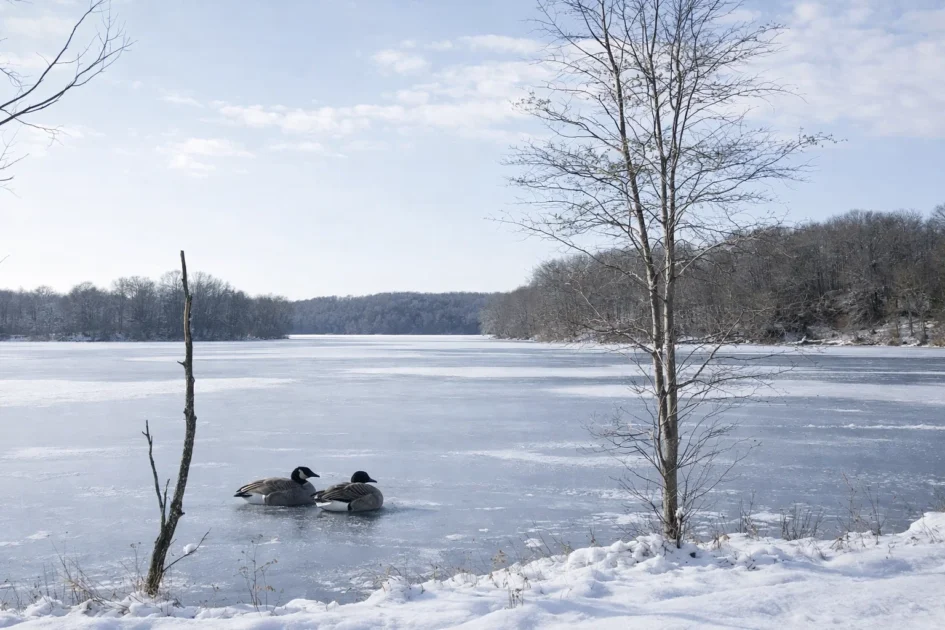
At the Swimming River Reservoir in Monmouth County, more than 100 Canada geese have reportedly died in what officials suspect is part of the broader H5N1 outbreak.
In Gloucester County, hazmat crews responded Tuesday morning to Alcyon Lake in Pitman after reports of dozens of sick and dead geese. Gloucester County Office of Emergency Management officials estimated between 50 and 75 dead birds at that site, though no final count has been released.
DEP: Outbreak Primarily an Animal Health Issue
In a public advisory, NJDEP Fish & Wildlife said the ongoing outbreak is primarily an animal health issue and currently poses a low risk to the general public. The U.S. Centers for Disease Control and Prevention has similarly stated that the current strain circulating in wild birds presents limited risk to human health.
Officials noted that while HPAI can infect humans in rare circumstances, transmission typically involves prolonged, unprotected contact with infected birds.
Typical symptoms observed in birds include:
- Diarrhea
- Nasal discharge
- Coughing or sneezing
- Neurological symptoms such as incoordination
- Sudden death without visible warning signs
Residents who encounter groups of five or more sick or dead birds are urged to report findings through the state’s Wild Bird Disease Reporting Form.
Drinking Water Supply Not Impacted
Concerns have also been raised about the Swimming River Reservoir, which supplies treated drinking water to approximately 300,000 residents in eastern Monmouth County, including Middletown, Red Bank, Holmdel, and Colts Neck.
New Jersey American Water, which manages the reservoir, operates continuous monitoring and conventional water treatment systems that include disinfection processes effective at neutralizing influenza viruses.
State officials say there is no documented risk to the public drinking water supply.
Public health authorities emphasize that municipal treatment processes are designed to remove or inactivate viruses and other pathogens. There is no evidence that avian influenza spreads through properly treated drinking water.
Precautions for Residents
Officials advise residents to:
- Avoid direct contact with sick or dead birds
- Keep pets away from wildlife carcasses
- Report clusters of bird deaths to NJ Fish & Wildlife
- Consume only properly cooked poultry and pasteurized dairy products
State officials also confirmed that as of today, no human cases linked to this outbreak have been reported in New Jersey.