HOLMDEL, N.J. – More than one million Jersey Central Power & Light customers could soon face another increase in their monthly electric bills after the utility filed a proposal seeking an average 8.8% increase for residential customers, a move that comes as many New Jersey residents are still grappling with some of the highest electricity costs in years.
New Jersey Governor Mikie Sherrill promised a rate freeze. She’s not getting it, and neither are the customers of JCP&L.

The proposal, filed with the New Jersey Board of Public Utilities, would increase base distribution rates by $253 million while allowing JCP&L to recover an additional $476 million in deferred storm restoration costs over the next decade.
For a typical residential customer using 767 kilowatt-hours of electricity each month, the company estimates the proposal would increase bills by about $14.23 per month, raising the average monthly bill from $162.30 to roughly $176.53 if approved.
New Jersey Assemblywoman Victoria Flynn (R-Monmouth) questioned the rate hike.
“What happened to the rate freeze we were all promised? Apparently, delaying another increase until 2028 counts as a freeze,” Flynn said. “Meanwhile, Monmouth County has been pummeled by power outages and feel as if they are paying more for unreliable service.”
“New Jersey families were promised a rate freeze, not another rate hike waiting around the corner,” she added.
While the company says it plans to delay the impact until January 2028, the filing is likely to reignite criticism over utility costs after Gov. Mikie Sherrill and state lawmakers promised relief following steep electricity increases approved earlier this year.

Utility says reliability comes with a price
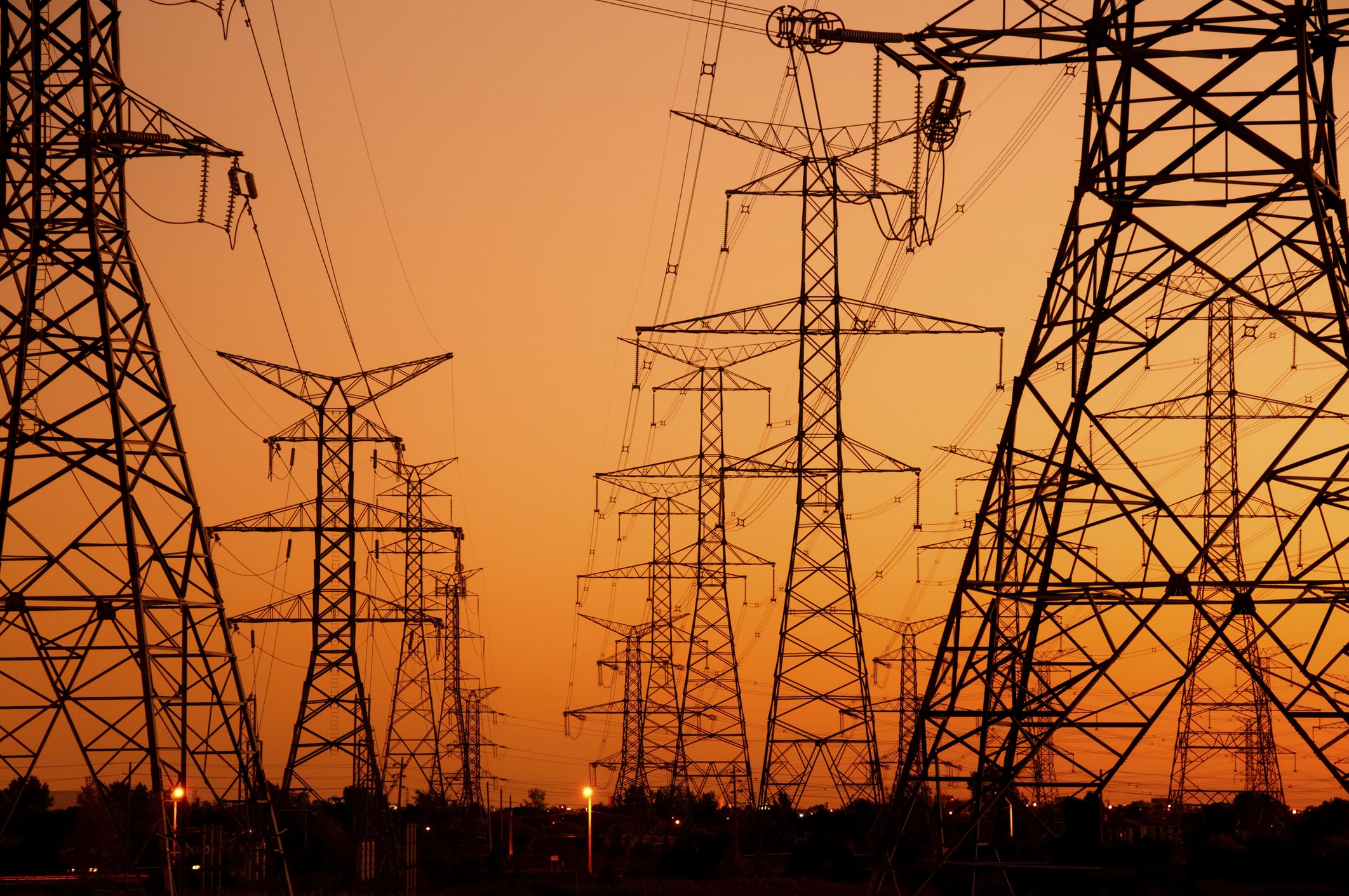
JCP&L says the proposed increase is necessary to continue modernizing New Jersey’s electric grid while giving customers more time to prepare for higher bills.
“Customers shouldn’t have to choose between affordability and reliability,” said Doug Mokoid, FirstEnergy’s President of New Jersey. “Our balanced approach puts both front-and-center simultaneously by minimizing the impact on bills today and giving customers time to plan, while continuing to invest in the infrastructure needed to deliver safe, reliable service for generations to come.”
Under the proposal, new base rates would technically take effect in May 2027, but the company says it would offset those increases for residential customers until January 2028.
JCP&L Vice President of Rates and Regulatory Teresa Reed said the company designed the proposal to soften the immediate financial impact.
“We are listening to our customers and leading with affordability,” Reed said. “By keeping our own costs down and taking an innovative approach, JCP&L is a responsible steward of our customers’ energy dollars.”
Storm costs and aging infrastructure driving request
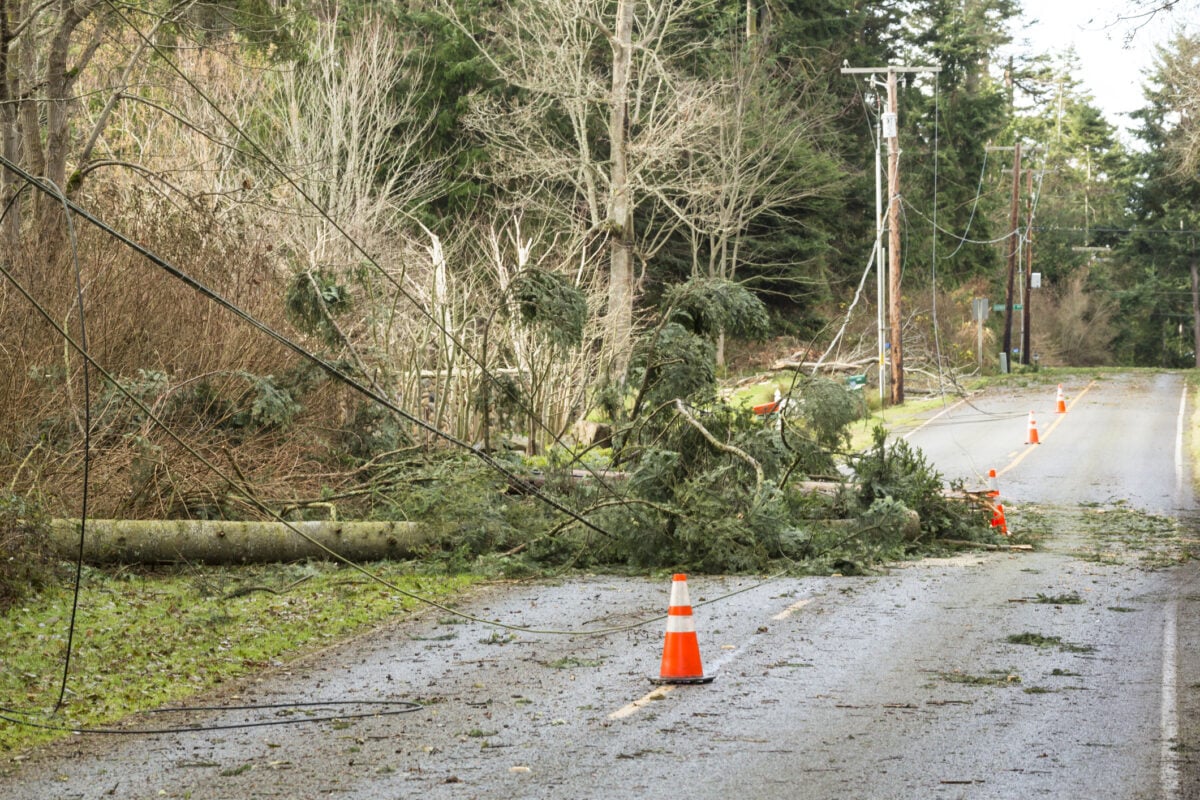
A significant portion of the filing centers on recovering the growing cost of responding to severe weather.
According to the utility, increasingly frequent storms pushed its deferred storm restoration costs to $476 million, even before the July 3-6 storm system struck New Jersey.
Instead of recovering those costs over a shorter period, JCP&L proposes spreading repayment across 10 years through a separate charge beginning in 2028.
The company also points to a five-year $6.9 billion capital investment plan, including $2.1 billion in base distribution improvements aimed at strengthening reliability across its system.
Among the projects outlined in the filing are:
- Modernizing aging distribution circuits.
- Expanding remote grid controls through EnergizeNJ.
- Upgrading transmission infrastructure.
- Continuing state energy efficiency programs.
- Expanding tree trimming and hazardous tree removal.
Trees remain one of the leading causes of power outages throughout JCP&L’s service territory.
The company said dead and diseased ash trees, devastated by the Emerald Ash Borer infestation, have accounted for 60% of tree-related outages since 2020.
JCP&L says it has already removed more than 74,000 hazardous ash trees since 2017 but argues additional funding is needed to reduce future outages.
Company cites reliability improvements
JCP&L argues its recent investments are already producing measurable results.
The utility says it invested approximately $1.5 billion in infrastructure during the past three years, resulting in a 15% improvement in reliability during 2025 compared with 2024.
According to the company, reliability has improved another 38% so far this year.
“While we’ve made progress over the past two years, we still have more work to do,” said Patricia Mullin, JCP&L’s Vice President of Operations. “When we invest, our customers benefit. This means fewer interruptions for families, more time open for businesses and more investment in our communities and economy.”
Rate request likely to face public scrutiny
The filing now moves to the New Jersey Board of Public Utilities, where regulators will review the proposal through a public rate case that is expected to include testimony, public comments, and possible revisions before any final decision is made.
The request comes at a politically sensitive time. Earlier this year, New Jersey officials announced a series of temporary measures intended to cushion consumers from rapidly rising electricity prices after capacity auction costs and supply constraints pushed electric bills sharply higher across the state.
If approved, however, JCP&L’s proposal would represent a separate increase tied to the company’s distribution system rather than the supply portion of customer bills.
For many households across Monmouth, Ocean, Hunterdon, Sussex, Morris, Mercer, Middlesex, Union, Passaic, Somerset, Burlington, Essex, and Warren counties, the filing may fuel concerns that promised rate relief could prove temporary as utilities continue seeking additional funding to modernize New Jersey’s aging electric grid.
Sources
- Jersey Central Power & Light
- FirstEnergy Corp.
- New Jersey Board of Public Utilities rate filing
FAQ
- How much is JCP&L seeking to raise rates?
The company is seeking an average 8.8% increase for residential customers, or about $14.23 per month for a typical household. - When would the increase take effect?
JCP&L proposes delaying the residential bill impact until January 2028. - Why does the company want higher rates?
JCP&L says the increase would fund grid modernization, improve reliability, and recover deferred storm restoration costs. - Who must approve the increase?
The New Jersey Board of Public Utilities must review and approve any rate changes. - How many customers could be affected?
JCP&L serves approximately 1.2 million customers across 13 New Jersey counties.
Key Points
- JCP&L is seeking an 8.8% residential electric rate increase beginning in 2028.
- The company says the increase will fund infrastructure upgrades and recover $476 million in storm restoration costs.
- The proposal now heads to the New Jersey Board of Public Utilities for review.