Mischief Night is a beloved (and sometimes notorious) tradition in New Jersey, and if you grew up in the Garden State, you probably have some wild tales from October 30th. But how did this night of pre-Halloween pranking become such a Jersey staple? Here’s a look at the history of Mischief Night in New Jersey and how it’s evolved over the years.
The Origins: A Mischievous Tradition Arrives in America
Mischief Night dates back to the 18th and 19th centuries in Europe, where it was often associated with May Day or other festival times. Back then, it involved playful pranks like switching signs or moving someone’s garden furniture. The practice eventually made its way to the United States, but over time, the tradition found a new home and purpose around Halloween. While several states have their own variations—some calling it “Cabbage Night” or “Devil’s Night”—New Jersey became a hotbed for Mischief Night festivities in the mid-20th century.
Why New Jersey?
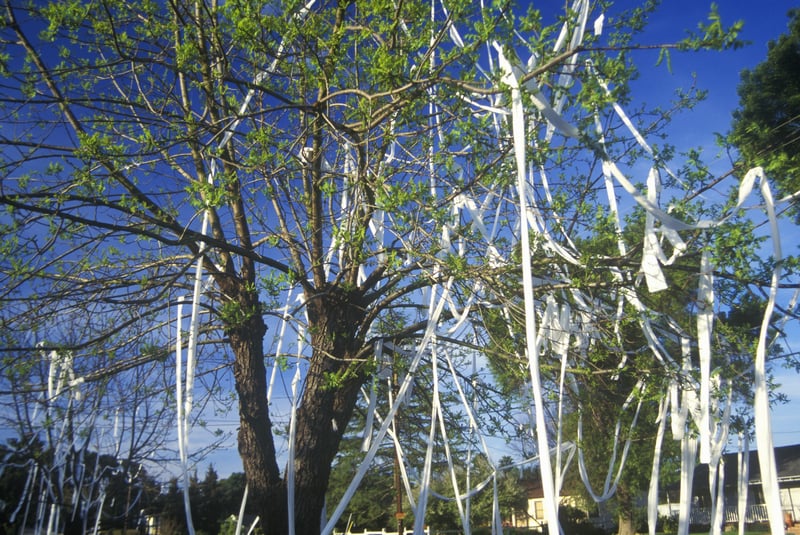
The prominence of Mischief Night in New Jersey has a lot to do with the region’s industrial growth, suburban culture, and population density in the early 20th century. Suburban neighborhoods, with their closely packed homes, offered an ideal setting for kids looking to raise a little Halloween-themed chaos. It became a chance for adolescents to let off some steam and play pranks that were usually harmless, like toilet-papering houses, soaping up car windows, or egging the occasional front door.
By the mid-20th century, Mischief Night was a well-established part of New Jersey culture. It was especially popular in cities and suburbs, where groups of teens roamed the streets in search of some low-key trouble. Unlike Halloween, which was all about costumes and candy, Mischief Night was more of a rite of passage—an unspoken acknowledgment that for one night, teens could rebel just a little bit.
The Rise of Mischief Night Shenanigans in the 1980s and 1990s
In the ‘80s and ‘90s, Mischief Night reached its peak, and some of those “harmless” pranks got a little edgier. Egg-throwing, toilet-papering trees, and soaping cars were common, but in certain areas, things escalated to vandalism or petty crime. In the backdrop of New Jersey’s industrial cities like Newark and Camden, where the decline of manufacturing led to higher crime and unemployment rates, the night occasionally turned into something more destructive.
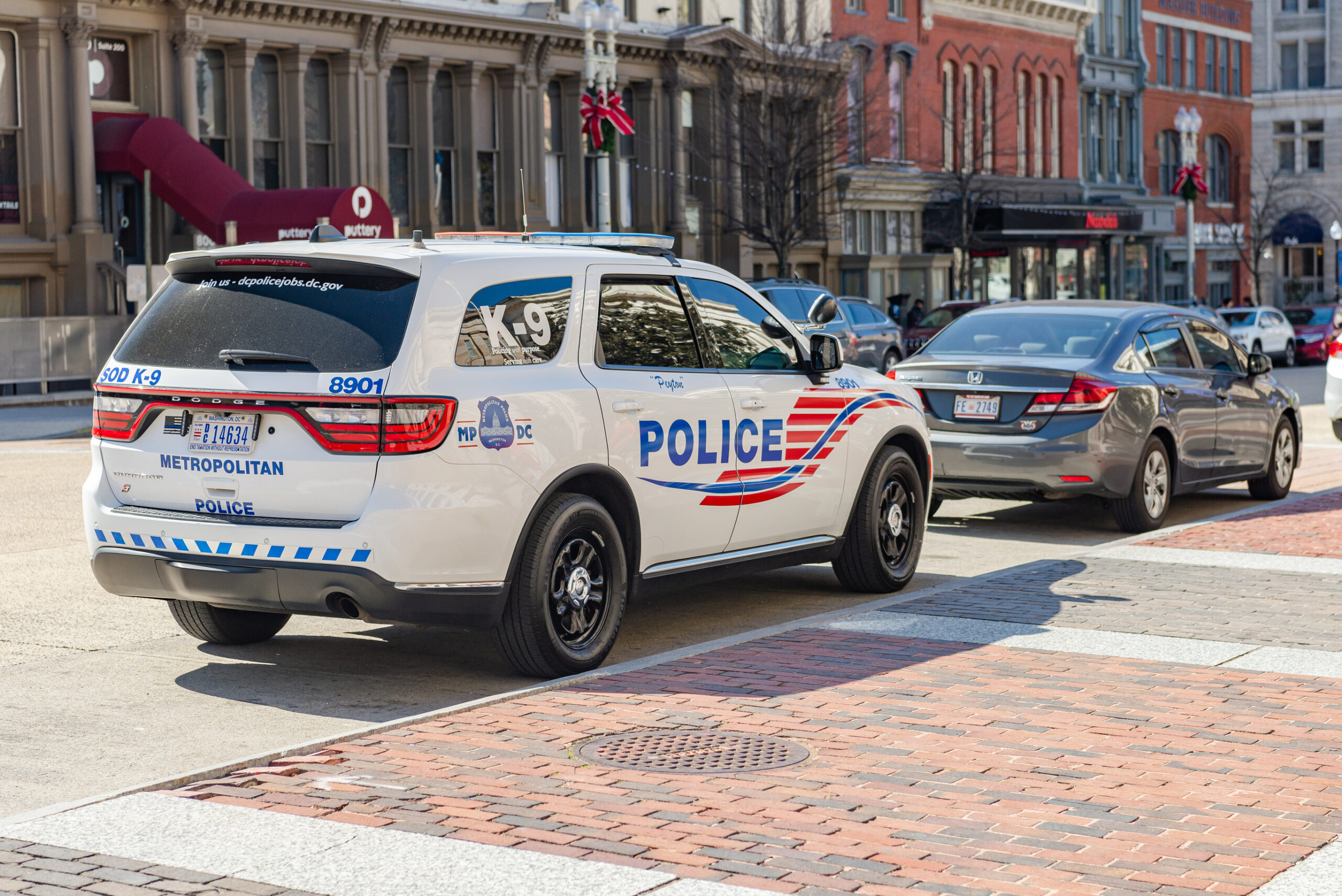
This shift wasn’t just a Jersey phenomenon. In places like Detroit, “Devil’s Night” saw even more intense arson and crime spikes. But in New Jersey, police departments responded by increasing patrols and spreading awareness in neighborhoods to curb potential damage. While many towns had a love-hate relationship with the tradition, the legend of Mischief Night continued.
A Slow Decline: Changing Times and Safety Measures
Over the last couple of decades, Mischief Night has mellowed out quite a bit in New Jersey. A combination of stricter curfews, heightened police presence, and social media (which holds the power to instantly expose and incriminate) has taken some of the chaos out of the night. And with fewer kids playing outside in general, and more activities revolving around technology, the old pranking traditions just don’t hold the same allure as they once did.
That said, some neighborhoods still see the occasional bit of Mischief Night mischief. Kids might still TP a tree or two or egg a friend’s house, but the large-scale antics have become more subdued. A lot of this has to do with parents, schools, and law enforcement making concerted efforts to educate kids about safety and respect for property.
Why New Jersey Holds Onto Mischief Night
So why does Mischief Night still hold such a special place in New Jersey’s Halloween culture? It’s probably because of the state’s mix of close-knit suburban communities and urban neighborhoods, which lend themselves well to street-bound traditions. There’s also something uniquely rebellious yet nostalgic about the concept of Mischief Night—a subtle wink to a time when a little bit of rule-breaking was an expected part of growing up.
For many in New Jersey, the memories of Mischief Night are a rite of passage, like your first haunted hayride or your first time watching Hocus Pocus. Whether it was running through the streets with your friends or waiting on your porch with your dad to catch pranksters in the act, Mischief Night was a quintessential part of the fall experience.