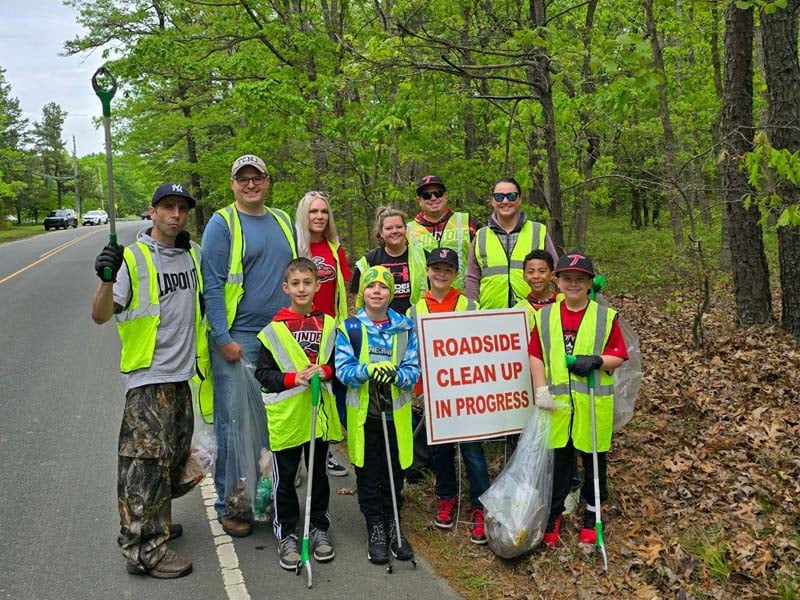
Jackson, NJ—A grant from Jackson’s Clean Communities program helped a local organization clear hundreds of trash bags of litter from the city’s roadways this weekend.
New Jersey Clean Communities is a statewide program that promotes volunteer cleanup of public lands.
This week, dozens of local groups hit the highways with trash bags and began cleaning the streets.
Each year, the township hosts these public cleanups and reimburses organizations and community groups $500 per mile of road cleaned. That funding comes from the NJ DEP’s New Jersey Clean Communities grant.
This year, approximately 30 groups, directed by Jackson DPW under Shawn Bolinksy hit the roads and cleaned up over 200 bags of trash. That doesn’t include the tires or wood pallets discarded along the roadside, which were also collected.
Jackson Council President Jennifer Kuhn worked alongside the Jackson Thunder Travel Little League to clean up Grawtown Road.
“This is a great way for the community to pitch in and help keep our roadways clean,” Councilwoman Kuhn said. I want to thank all of the organizations that came out to pitch in today.”
The Clean Communities Program was organized under Mayor Michael Reina’s administration. It was previously managed by Patricia Wood, who grew the program over the years before her passing in 2021.
- Can You Legally Shoot a Groundhog Eating Your Garden in New Jersey? Here’s What State Law Says

Toms River, NJ – Few things frustrate home gardeners more than walking outside to find a vegetable garden destroyed overnight by a hungry groundhog. While many New Jersey homeowners wonder whether they can legally shoot a woodchuck that’s eating their crops, the answer is more complicated than a simple yes or no.
Under the New Jersey Administrative Code, property owners whose gardens or property are being damaged by nuisance wildlife are generally permitted to control certain animals, including groundhogs, without first obtaining a state permit. However, that does not automatically mean it is legal to discharge a firearm in every location.
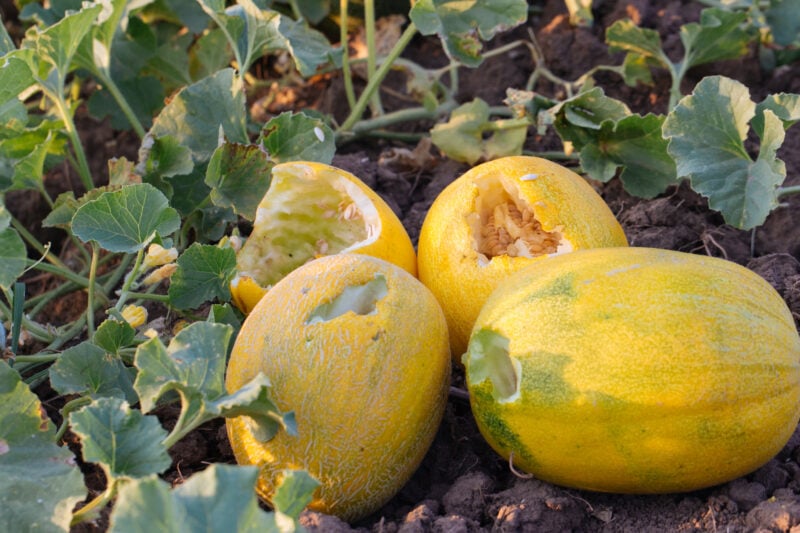
Photo: volunteers pitch in to clean up jackson township roads The regulations governing nuisance wildlife are found in N.J.A.C. § 7:25-5.21, which specifically lists woodchucks, also known as groundhogs, among the species that property owners may control when they are causing damage.
State law allows control of nuisance groundhogs
According to the New Jersey Division of Fish and Wildlife, property owners and occupants of dwellings suffering damage from squirrels, raccoons, opossums, skunks, weasels, woodchucks, coyotes and certain fox species “may control these animals by lawful procedures at any time,” subject to state law and local ordinances.
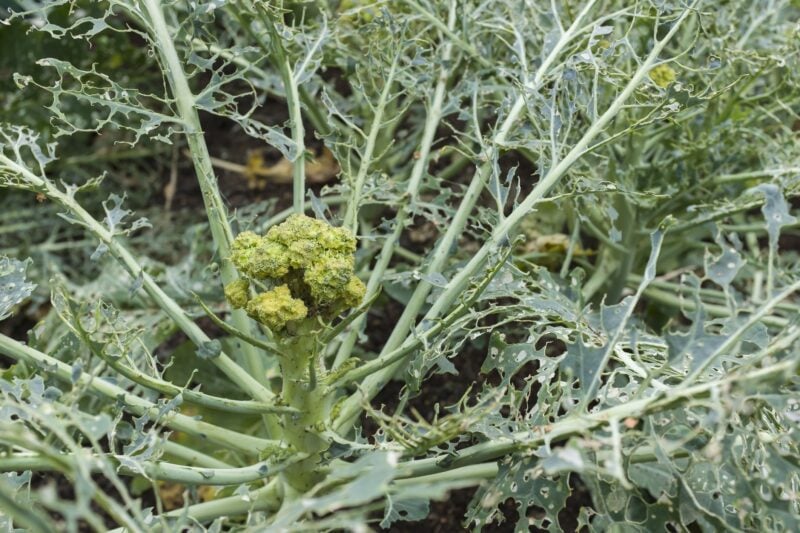
Photo: volunteers pitch in to clean up jackson township roads The regulations also extend similar authority to farmers whose crops, livestock or poultry are being damaged.
The state’s nuisance wildlife chart further identifies groundhogs as one of the species that does not require a nuisance wildlife permit before control measures are taken.
Firearms laws still apply
While the nuisance wildlife regulations allow property owners to control groundhogs, they do not override other New Jersey firearms laws or municipal ordinances.
Many towns prohibit or strictly regulate the discharge of firearms within municipal limits, regardless of the reason.
New Jersey also considers an air rifle or pellet gun to be a firearm under state law. That means someone using a pellet gun to shoot a nuisance groundhog may still be subject to the same firearm regulations that apply to traditional guns.
Before using any firearm for wildlife control, homeowners should determine whether local ordinances prohibit firearm discharge in their neighborhood.
In many suburban communities, firing a gun could violate municipal law even if the underlying wildlife control activity is otherwise permitted by state regulations.
Safety should always come first
Wildlife officials and firearms safety instructors consistently emphasize that legal authority does not eliminate the responsibility to use safe judgment.
Before discharging a firearm, property owners should carefully consider what lies beyond the intended target.
Bullets and pellets can travel considerable distances or ricochet, creating risks for neighbors, homes, vehicles and pets.
Gardeners should also be mindful of nearby roads, walking paths and other locations where people could unexpectedly enter the area.
Anyone unsure whether discharging a firearm is lawful where they live should contact their local police department or municipal officials before taking action.
Other options for protecting gardens
Many homeowners successfully discourage groundhogs without using lethal methods.
Installing sturdy fencing that extends below ground can prevent burrowing beneath garden enclosures. Motion-activated sprinklers, exclusion barriers and habitat modifications may also reduce damage.
For persistent problems, licensed nuisance wildlife control operators can remove animals in accordance with New Jersey regulations.
Because groundhogs can produce multiple offspring during the breeding season, addressing burrows early may help prevent future garden damage.
Local Impact
Groundhogs are among the most common nuisance wildlife complaints received by New Jersey homeowners each summer, particularly as vegetable gardens reach peak production. While state regulations allow property owners to control animals causing damage, residents should understand that local firearm ordinances and safety considerations may significantly limit how that control can legally be carried out.
Sources
- New Jersey Administrative Code § 7:25-5.21
- New Jersey Division of Fish and Wildlife nuisance wildlife regulations
- New Jersey Division of Fish and Wildlife nuisance wildlife species chart
FAQ
- Can I legally shoot a groundhog eating my garden in New Jersey? State regulations allow property owners to control nuisance groundhogs by lawful procedures, but local firearm ordinances and other state laws may prohibit discharging a firearm where you live.
- Do I need a state permit? No. Groundhogs are listed as a nuisance wildlife species that does not require a state nuisance wildlife permit under the cited regulations.
- Is a pellet gun considered a firearm? Yes. Under New Jersey law, an air rifle or pellet gun is considered a firearm.
- Should I check with my town first? Yes. Municipal ordinances may prohibit firearm discharge even when state wildlife regulations allow nuisance animal control.
- Are there non-lethal options? Yes. Fencing, exclusion barriers, motion-activated sprinklers and licensed nuisance wildlife removal services are commonly used alternatives.
Key Points
- New Jersey regulations allow property owners to control nuisance groundhogs without obtaining a state permit.
- Firearm discharge remains subject to New Jersey law and local municipal ordinances, including rules covering pellet guns.
- Homeowners should prioritize safety and verify local regulations before attempting to shoot nuisance wildlife.
- What to Plant in August in New Jersey: These Vegetables Thrive for a Fall Harvest
Toms River, NJ – While many gardeners think the growing season begins to wind down in August, horticulture experts say it’s actually the ideal time for New Jersey residents to plant a second round of vegetables for a productive fall harvest.
Across most of the Garden State, which falls within USDA Hardiness Zone 7, August offers warm soil temperatures that encourage rapid seed germination while cooler autumn weather helps many vegetables mature with improved flavor.
Unlike summer gardens dominated by tomatoes, peppers and cucumbers, late-season gardens focus on leafy greens, root vegetables and cool-weather crops that often become sweeter after the first frost.
Leafy greens lead the fall garden
Some of the easiest vegetables to grow in August are leafy greens, many of which mature in just four to eight weeks.
Gardeners can successfully sow seeds for lettuce, kale, spinach, Swiss chard, arugula, mustard greens, bok choy, mizuna and tatsoi.
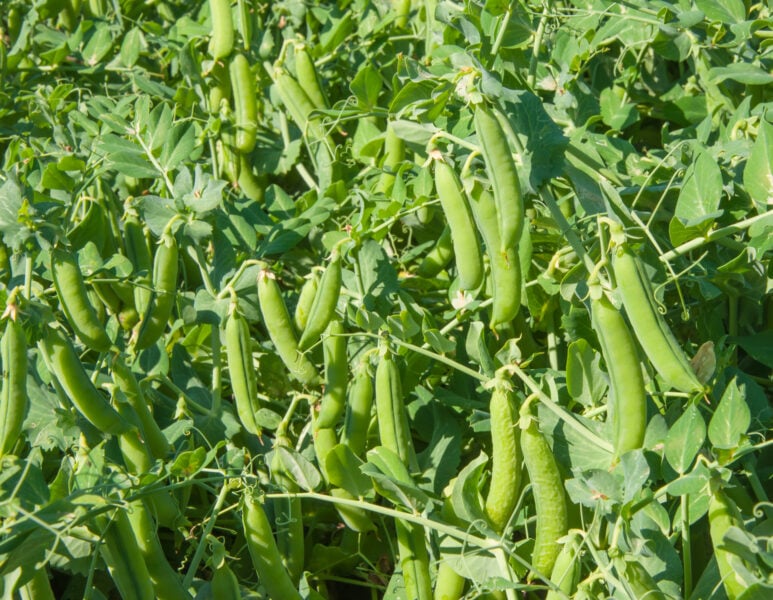
Photo: volunteers pitch in to clean up jackson township roads Many of these vegetables can be harvested as baby greens in less than a month, while mature leaves continue producing well into autumn.
Kale, spinach and Swiss chard are particularly well suited to New Jersey’s climate because they tolerate frost and often continue producing after temperatures drop below freezing.
Root vegetables flourish in cooler weather
August is also an excellent time to plant root crops that benefit from cool nights.
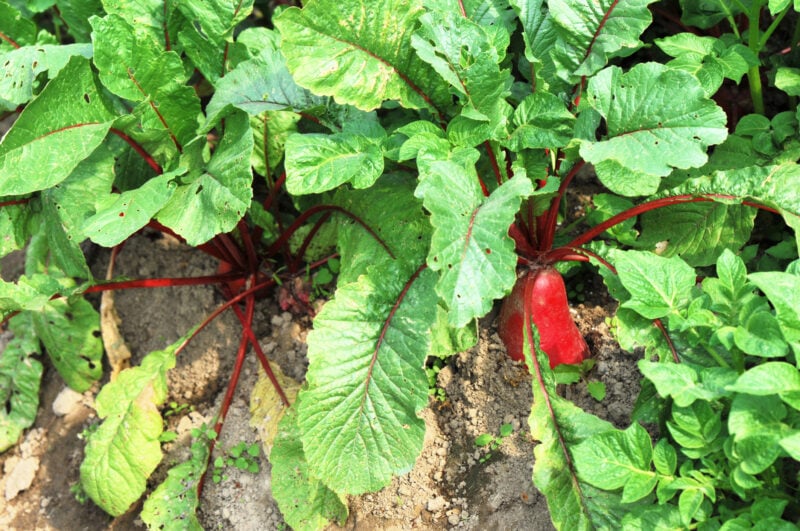
Carrots, beets, turnips, radishes and daikon radishes all perform well when planted now.
Radishes are among the fastest vegetables to mature, often reaching harvest size in as little as 25 to 35 days.
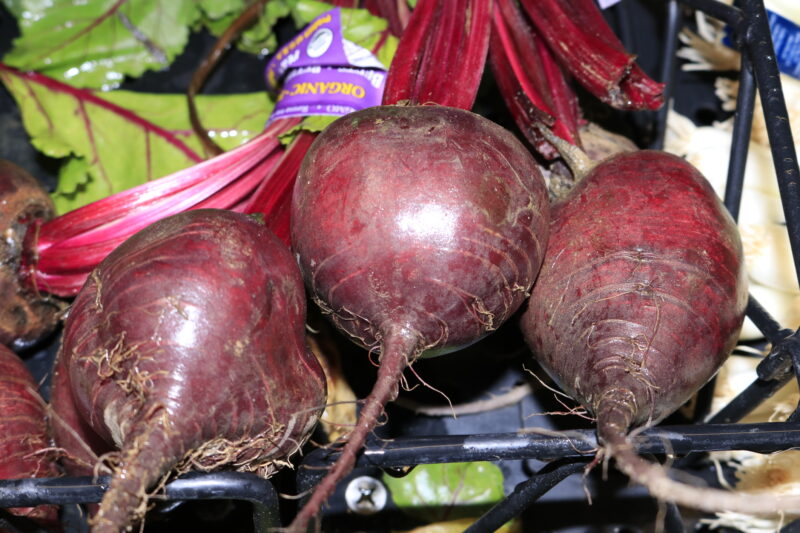
Photo: volunteers pitch in to clean up jackson township roads Garden experts recommend planting additional rows every two weeks to maintain a continuous harvest through October.
Carrots and turnips also develop sweeter flavors after exposure to light frosts, making them favorites for late-season gardens.
Time is running short for broccoli and cabbage
Gardeners hoping to grow larger cool-weather vegetables still have time, although transplants are generally recommended over seeds.
Broccoli, cauliflower, cabbage, Brussels sprouts and kohlrabi can all produce fall harvests when planted in August.
Because these crops require a longer growing season, many local garden centers sell established transplants that are better suited for late-summer planting.
Herbs can still produce before winter
Several herbs also perform well when planted in August.
Cilantro, parsley, dill and green onions all prefer cooler weather and often outperform spring plantings because they are less likely to bolt during autumn’s shorter days.
Many gardeners continue harvesting parsley well into winter with minimal frost protection.
Crops to avoid planting now
Although August is productive for cool-season vegetables, the window has largely closed for many warm-season crops.
Most experts recommend waiting until next spring to plant tomatoes, peppers, eggplant, sweet corn, cucumbers, zucchini, pumpkins, melons and other vegetables that require extended periods of hot weather to mature.
These plants typically will not have enough time to fully develop before the first fall frost arrives in much of New Jersey.
Tips for success
August gardens require consistent watering because hot weather can quickly dry newly planted seeds.
Gardeners are encouraged to water regularly until seedlings become established and to apply mulch to help retain moisture and reduce soil temperatures.
Many also use lightweight shade cloth during periods of extreme heat to improve germination rates for lettuce and spinach.
Planting successive crops every one to two weeks allows gardeners to enjoy fresh salads and vegetables throughout the fall rather than harvesting everything at once.
With simple frost blankets or row covers, many leafy greens can continue producing into November and even December.
For home gardeners, a fall garden offers another opportunity to take advantage of New Jersey’s long growing season while producing fresh vegetables well after many summer gardens have finished.
Local Impact
New Jersey’s USDA Zone 7 climate provides one of the longest growing seasons in the Northeast, allowing gardeners to produce two harvests each year. Fall gardening has become increasingly popular as residents look to reduce grocery costs, grow fresh produce at home and extend their harvest well beyond the traditional summer season.
Sources
- Rutgers New Jersey Agricultural Experiment Station
- USDA Plant Hardiness Zone Map
- Rutgers Cooperative Extension
FAQ
- What is the easiest vegetable to plant in August? Radishes, lettuce and arugula are among the fastest and easiest crops to grow.
- Can tomatoes still be planted in August? In most of New Jersey, it’s generally too late to start tomatoes from plants or seed for a reliable harvest.
- What vegetables survive frost? Kale, spinach, carrots, Brussels sprouts, cabbage and collards all tolerate light frost, with several becoming sweeter afterward.
- How often should I water new seeds? Keep the soil consistently moist until seeds germinate, especially during August heat.
- Can I harvest vegetables into winter? Yes. Many leafy greens will continue producing into late fall and early winter with frost protection.
Key Points
- August is one of the best months to plant a fall vegetable garden in New Jersey.
- Leafy greens, root vegetables and cool-weather crops thrive in Zone 7 conditions.
- Many fall vegetables become sweeter after the first frost and can be harvested well into November.