

Montclair, NJ – As New Jersey’s newly elected governor, Mikie Sherrill, a former Navy helicopter pilot and federal prosecutor, steps into the role amid ongoing debates over policies affecting the state’s suburban communities.
Representing a district that included affluent suburbs in northern New Jersey during her time in Congress, Sherrill has articulated positions on a range of issues from immigration to environmental regulations.
Her stances, often aligning with Democratic priorities while emphasizing practicality and affordability, were shaped by her campaign against Republican Jack Ciattarelli, where she secured a decisive victory.
Below, we outline her views on nine critical topics relevant to suburban residents, based on her public statements, voting record, and campaign pledges.
Illegal immigration
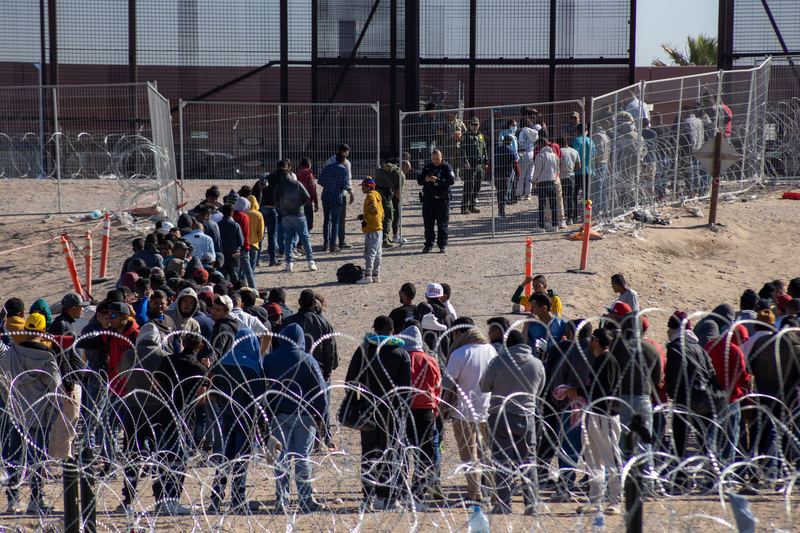
Sherrill advocates for comprehensive immigration reform that balances humanitarian concerns with security. She supports a pathway to citizenship for undocumented immigrants and has called for enhanced border security measures.
During her gubernatorial campaign, she criticized certain enforcement tactics, such as ICE agents wearing masks, and emphasized local law enforcement’s role in aiding immigration efforts without endorsing blanket sanctuary policies.
Her position remains somewhat ambiguous on New Jersey’s Immigrant Trust Directive, which limits local police cooperation with ICE, though she has not pledged to repeal it outright, unlike her opponent.
In Congress, she abstained from voting on a bill to detain and deport undocumented immigrants who assault police officers.
Suburban voters in areas like Morris and Essex counties, where immigration enforcement intersects with community safety, may see her approach as moderate, focusing on reform over strict crackdowns.
Prediction: No Major Policy Change from Phil Murphy
Clean Cars II / Phil Murphy gas car ban
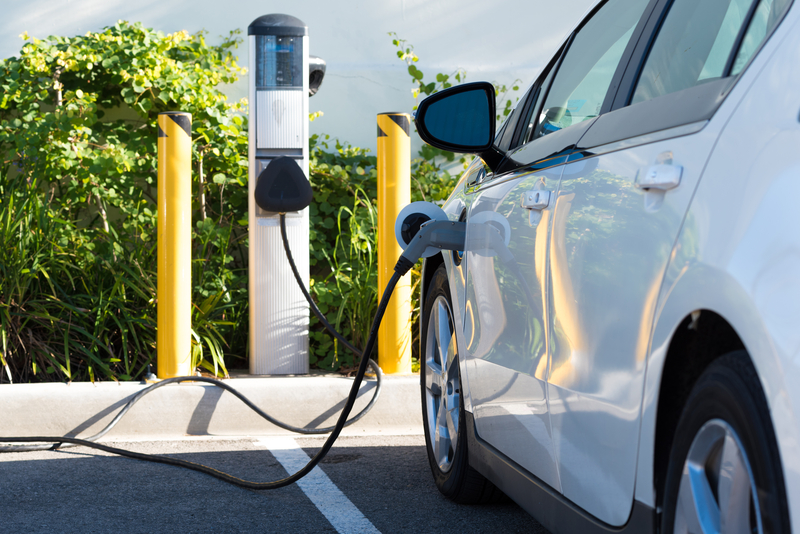
Sherrill supports New Jersey’s adoption of California’s Clean Cars II standards, which aim to phase out new gas-powered vehicle sales by 2035 under Governor Phil Murphy’s initiative. She has voted to maintain federal policies aligning with this ban, rejecting bipartisan efforts to repeal similar national mandates.
Backing Murphy’s goal of 100% clean energy by 2035, she views the transition as essential for environmental sustainability, though critics argue it could raise costs for suburban commuters reliant on personal vehicles.
Her stance emphasizes long-term benefits like reduced emissions, positioning New Jersey as a leader in green transportation amid suburban concerns over EV infrastructure and affordability.
Prediction: No Major Policy Change from Phil Murphy
Plastic bag ban

Sherrill endorses New Jersey’s ban on single-use plastic bags, implemented under Murphy, stating plainly that “we shouldn’t be using plastic bags.”
This position aligns with broader environmental goals to reduce waste and pollution, which resonate in suburban areas dealing with litter and recycling challenges.
Unlike Ciattarelli, who pledged to rescind the ban, Sherrill has not indicated any intent to reverse it, viewing it as a step toward sustainability despite some public frustration with reusable bag requirements at grocery stores.
Prediction: No Major Policy Change from Phil Murphy
Skyrocketing energy costs

Addressing one of the campaign’s hottest issues, Sherrill has pledged to declare a state of emergency on utility costs upon taking office, aiming to freeze electric rates and offset spikes through state interventions.
She campaigned aggressively on affordability, blaming external factors like capacity costs and holding Republicans accountable for exacerbating price hikes.
For suburban households facing double-digit bill increases, her plan includes working with utilities like PSEG to lower rates and expand affordable energy options, though skeptics question the feasibility without federal aid.
Prediction: Sherrill appears to be less stubborn than Phil Murphy, and more open to fossil fuel energy production in some areas.
Nuclear power
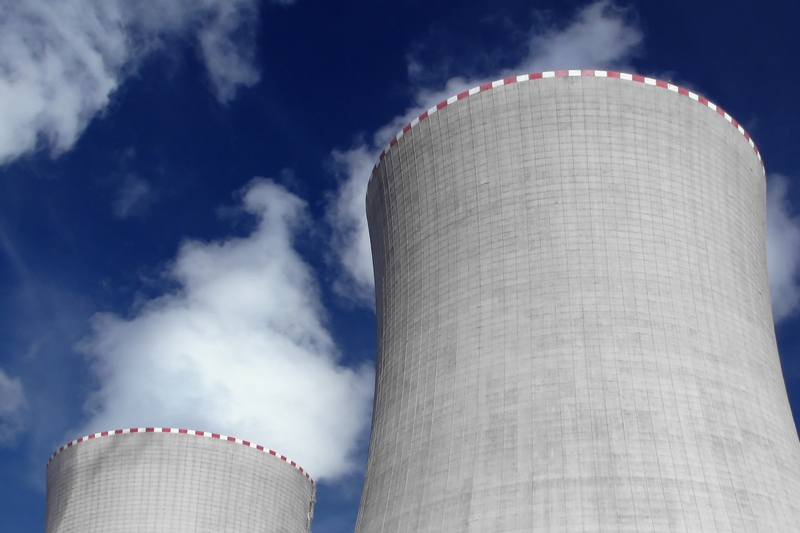
Sherrill has expressed openness to nuclear energy as part of New Jersey’s energy mix, discussing it positively in campaign events as a reliable, low-carbon source.
However, her primary focus leans toward renewables like solar, contrasting with Republican emphasis on expanding nuclear alongside natural gas.
She supports exploring advanced nuclear options, such as small modular reactors, but prioritizes rapid deployment of solar to address suburban energy demands and costs.
This balanced view could appeal to environmentally conscious suburbs while acknowledging the need for baseload power.
Prediction: Sherrill will try to balance her green energy agenda with natural gas and nuclear power, but she faces an uphill battle within in her own party.
School funding in suburban districts hit by Murphy cuts

Sherrill aims to reform New Jersey’s school funding formula, which has led to cuts in suburban districts under Murphy’s S-2 law. She supports voluntary school mergers to reduce costs and pledges legal action to recover federal education funds.
Recognizing the strain on suburban taxpayers, she plans to update the formula for fairness, potentially forcing consolidations if needed, while investing in early childhood education and teacher support.
This approach seeks to mitigate program losses in districts like those in her former congressional area, emphasizing equity without drastic overhauls.
Prediction: Things cannot get worse for many districts and while she’s not promising to fix those problems directly, there is a chance that she will not punish red suburban districts like Phil Murphy.
Criminal justice reform / bail reform
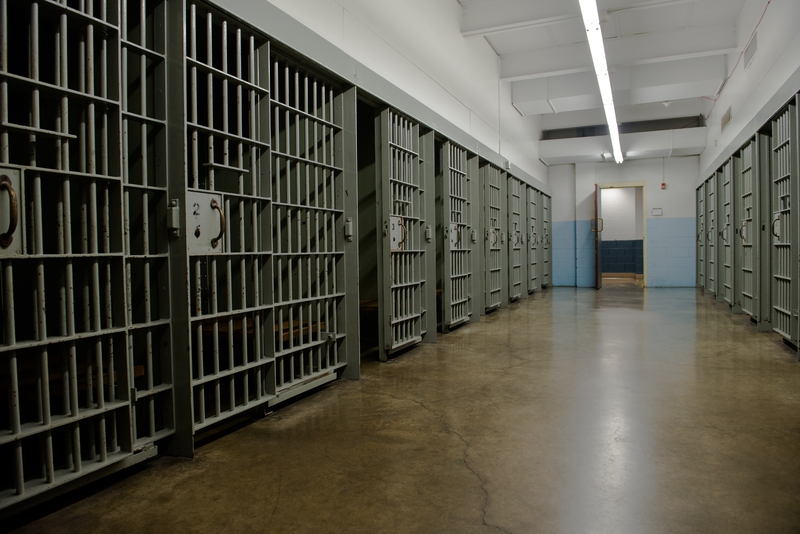
Sherrill views New Jersey’s criminal justice reforms, including the 2017 bail overhaul, as a work in progress requiring adjustments. She supports targeting bail reform for changes to address public safety concerns, such as higher detention rates for repeat offenders.
While committed to reentry services and reducing incarceration, she has criticized some Democratic policies for being too lenient, signaling a shift toward tougher enforcement.
Suburban communities worried about rising crime may find her stance pragmatic, balancing reform with accountability.
Prediction: Minor rollback of some of the major far-left anti-police policies under Murphy, but in baby steps, doing the bare minimum to appease major police unions.
Offshore wind farms

A strong proponent of offshore wind, Sherrill has championed New Jersey’s role as a global leader in renewable energy, supporting federal lease sales and projects off the coast.
She acknowledges short-term cost increases from the transition but views it as vital for clean energy goals, differing sharply from Ciattarelli’s opposition.
For coastal suburbs, her position promises job creation and climate resilience, though it has drawn criticism over marine impacts.
Prediction: Sherrill supports offshore wind, but economic realities of an industry in decline in the U.S. appear to make this issue somewhat ‘dead in the water’ during her term.
Voter ID

Sherrill opposes stringent voter ID laws, voting against the Republican-backed Safeguard American Voter Eligibility (SAVE) Act, which she labeled as extreme voter suppression.
She advocates for accessible voting while maintaining election integrity, without mandating additional ID requirements.
This aligns with Democratic efforts to boost turnout, particularly in diverse suburban areas, amid national debates over election security.
As governor-elect, Sherrill’s agenda prioritizes affordability and environmental progress, with her inauguration set for January 2026. Her positions reflect a blend of progressive ideals and suburban pragmatism, though implementation will face legislative scrutiny in a divided state.
Prediction: No Major Policy Change from Phil Murphy