
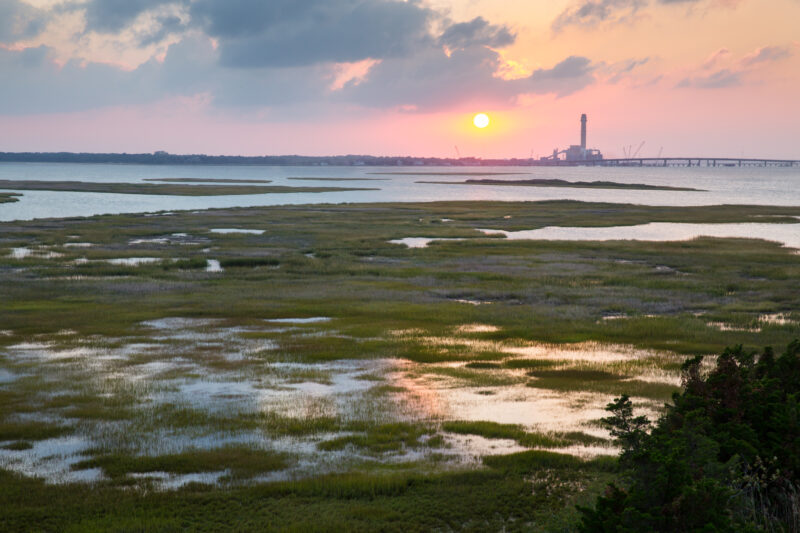
The unmistakable rotten egg smell that hits drivers heading toward the Jersey Shore every summer isn’t coming from a mystery sewage leak — it’s largely a natural byproduct of the state’s sprawling coastal marshlands, according to environmental experts.
The odor, which can range from swampy and earthy to sharply sulfuric, tends to intensify during hot weather, low tide, and periods of stagnant air. Some of the strongest smells linger near bridge crossings and causeways leading into beach towns including Seaside Heights, Long Beach Island, Atlantic City, Ocean City, and Wildwood.
For many Shore visitors, the smell has become an unofficial part of the trip itself.
However, there’s nothing to fear, the stench that smells like somebody in your car let a few rip, poses no significant health risks, public health officials said.
Why the Jersey Shore Smells Like Rotten Eggs
The culprit behind the odor is hydrogen sulfide gas, or H₂S — a naturally occurring gas produced when bacteria break down decaying plant matter in oxygen-poor marsh mud.
New Jersey’s coastline contains thousands of acres of salt marshes filled with decomposing sea grass, algae, and other organic material. Beneath the muddy surface, specialized bacteria feed on that material using sulfur compounds instead of oxygen, releasing hydrogen sulfide as a byproduct.
That gas carries the signature rotten egg smell many drivers notice while crossing bays and wetlands.
The odor becomes especially noticeable during low tide, when exposed mudflats release trapped gases directly into the air. Heat also accelerates bacterial activity, producing even stronger smells during peak summer afternoons.
On still, humid days, the scent can settle heavily over highways, neighborhoods, and bridge approaches.
Key Points
• Coastal salt marshes release hydrogen sulfide gas that smells like rotten eggs
• Low tide, hot temperatures, and humid weather make Shore odors stronger
• Some areas near Atlantic City also experience landfill-related sulfur odors
The Jersey Shore’s Most Notorious “Stink Zones”
Seaside Heights and Toms River
Drivers heading toward Seaside Heights along Route 37 often encounter one of Ocean County’s most recognizable odor pockets.
The route cuts across shallow back bays and tidal marshes where exposed mudflats can release heavy sulfur smells during low tide. The odor frequently intensifies near bridge crossings where marsh gas concentrates over the water.
Locals say summer heat can make the smell linger for miles.
Manahawkin and the Route 72 Causeway to LBI
The drive into Long Beach Island through Stafford Township and Manahawkin has developed a reputation as one of the Shore’s most consistent odor hotspots.
The Route 72 corridor passes through extensive marshland on both sides of the roadway. During hot, windless afternoons, drivers often report powerful bursts of swamp-like sulfur smells while crossing onto the island.
Low water levels in shallow back bays can trap organic material for long periods, increasing gas buildup over time.
Atlantic City Adds an Industrial Edge
Near Atlantic City and Egg Harbor Township, the smell can become more complicated.
In addition to natural marsh gas, residents and travelers have periodically linked odors in the area to emissions from the Atlantic County Utilities Authority landfill in Egg Harbor Township. Hydrogen sulfide emissions from landfill operations can create a sharper, more industrial odor compared to the earthy marsh smell found elsewhere along the Shore.
Weather conditions and wind direction often determine how noticeable the odor becomes.
Ocean City and Somers Point
The causeway into Ocean City carries drivers through dense coastal wetlands where marsh odors can quickly intensify depending on tidal conditions.
The smell here tends to be less industrial and more distinctly “muddy marsh” or swamp-like, especially during late summer periods with high heat and low water movement.
Wildwood and Cape May County
Further south, some of New Jersey’s largest preserved salt marsh systems surround Wildwood and Cape May County.
Those wetlands can produce especially strong odors during humid weather, occasionally blanketing stretches of roadway approaching the island communities. Visitors often notice the smell strongest at sunrise, sunset, or after prolonged heat waves.
Is the Smell Dangerous?
For most people, environmental experts say the answer is no.
Hydrogen sulfide at low outdoor concentrations is generally considered more of a nuisance than a public health threat. While the odor can be unpleasant, the gas commonly occurs in natural coastal ecosystems around the world.
At very high concentrations, hydrogen sulfide can become hazardous, which is why regulators monitor industrial sites and landfill operations where emissions may increase.
The levels typically encountered while driving through New Jersey marshlands remain far below dangerous thresholds.
Why Nearly Every Shore Visitor Notices It
The reason the Shore smell stands out so much is partly psychological: drivers often encounter it suddenly while approaching vacation destinations.
The contrast between beach anticipation and a burst of sulfur-heavy air makes the experience memorable — and surprisingly universal among New Jersey beachgoers.
Searches related to “Why does New Jersey smell like sewage?” and “Why does the Jersey Shore smell bad?” spike regularly during the summer travel season, especially around holiday weekends.
For longtime locals, though, the odor has become part of the Shore’s identity — one more sign that the beaches, bays, marshes, and wetlands are deeply connected.