
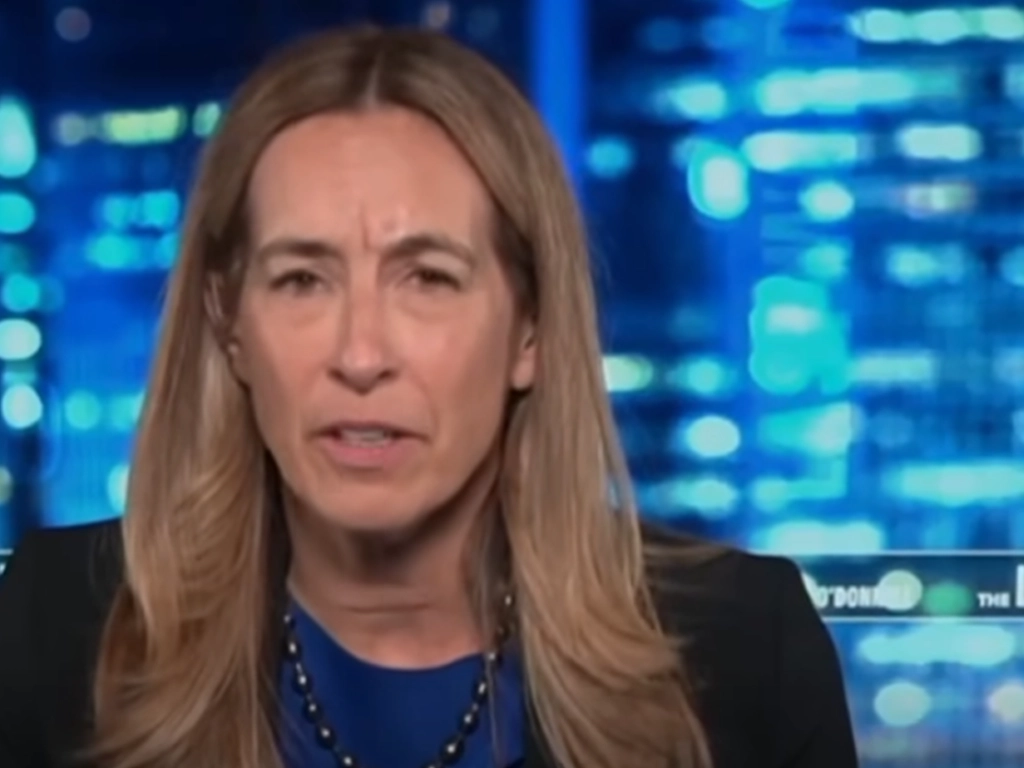
Trenton, NJ – As new polls show Rep. Mikie Sherrill’s 2025 gubernatorial race tightening, New Jersey political watchers are remembering what happened the last time pollsters measured a competitive statewide election — and got it wrong.
In 2021, nearly every major survey missed the mark in the contest between Democratic Governor Phil Murphy and Republican challenger Jack Ciattarelli.
Monmouth University’s final October poll gave Murphy an 11-point lead, 50% to 39%. Emerson College showed him up by 6 points. Rutgers-Eagleton found an 8-point advantage, while Stockton University reported a 9-point margin.
Murphy ultimately won by just over 3 percentage points — one of the closest statewide races in New Jersey in decades.
A polling miss that stunned analysts
The 2021 results shocked pollsters, who later admitted their models underestimated Republican turnout and overcounted Democratic enthusiasm. Voters in suburban and South Jersey counties broke far more heavily for Ciattarelli than expected, revealing a late conservative surge that most surveys never caught.
Monmouth University poll director Patrick Murray publicly acknowledged the miss, noting that New Jersey’s rapidly shifting voter behavior — especially among independents — was difficult to measure in the pandemic’s aftermath.
2025 déjà vu
Fast forward to 2025, and Sherrill, a Democrat running to succeed Murphy, now faces a similar polling pattern. Recent statewide surveys show her leading her likely Republican opponent by just a few points — margins nearly identical to Murphy’s pre-election polling four years ago.
Political strategists warn that if the same undercounting of Republican voters occurs, the governor’s mansion could again be within striking distance for the GOP.
Republicans, energized by close margins in recent elections and growing frustration over taxes and affordability, are banking on the same type of late-breaking momentum that fueled Ciattarelli’s near-upset.
Why the numbers matter
The lesson from 2021 remains clear: New Jersey polls can miss the intensity of conservative turnout, particularly in off-year elections where enthusiasm drives results.
If Sherrill’s team relies too heavily on narrow polling leads, they risk repeating the same miscalculation that nearly upended Murphy’s second term.
As the campaign season accelerates, one truth is hard to ignore — in New Jersey politics, even a few points on paper can vanish quickly on Election Day.