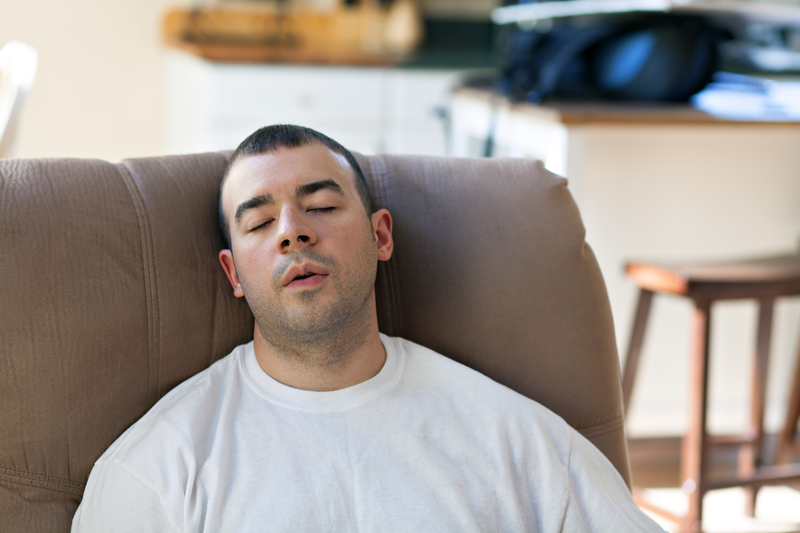
Ah, Thanksgiving—the holiday where gratitude meets gluttony. You pile your plate high with turkey, stuffing, mashed potatoes, gravy, cranberry sauce, and maybe a token green bean to keep things balanced. Then, somewhere between dessert and your third attempt at a couch nap, you’re out like a light.
But what really causes that post-Thanksgiving food coma? Is it the turkey, the carbs, or just an epic battle between your willpower and your waistband? Let’s dig in.
The “Turkey Tryptophan” Myth (And Why It’s Only Partially True)
For years, turkey has been the prime suspect in the Thanksgiving knockout game, thanks to tryptophan—a naturally occurring amino acid. Tryptophan helps your body produce serotonin, which is later converted into melatonin, the hormone responsible for sleepiness. Sounds guilty, right?
Not so fast! While turkey does contain tryptophan, so do many other foods like chicken, cheese, and eggs. The real kicker? Your body doesn’t process tryptophan into melatonin unless your stomach is relatively empty, which is not the case after a Thanksgiving feast. So, while turkey might play a tiny supporting role in your food coma, it’s far from the main culprit.
It’s the Carbs, Baby
Here’s the truth: your glorious mountain of mashed potatoes and stuffing is doing the heavy lifting when it comes to making you sleepy. Simple carbs (like bread and potatoes) cause a spike in your blood sugar, which leads to a corresponding insulin spike. This insulin surge helps tryptophan enter your brain more easily, enhancing that serotonin-melatonin production cycle.
Pair those carbs with a rich, fatty gravy or butter-laden rolls, and your digestive system is working overtime. That energy-sapping process diverts blood away from your brain and muscles to focus on breaking down the feast you just inhaled. Hello, couch nap!
Overeating Is the Real Villain
Let’s face it: Thanksgiving is basically a competition to see who can eat the most without actually exploding. Overeating stretches your stomach, which triggers your parasympathetic nervous system, also known as the “rest and digest” system. This can leave you feeling lethargic as your body shifts all its resources toward digestion.
Add in the sheer volume of food, and your body’s like, “We need to shut down everything non-essential to deal with this situation.” The result? You slipping into that sweet, post-pie slumber.
Don’t Forget the Booze

If your Thanksgiving includes wine, beer, or a festive cocktail (or three), alcohol might be adding to your food coma. Alcohol is a depressant, meaning it slows down your central nervous system and can make you feel drowsy, especially when paired with a big meal. Combine that with the other factors in play, and it’s a recipe for snoozing through the football game.
The Emotional Side of It All
Let’s not underestimate the role of emotional exhaustion. Thanksgiving often comes with a whirlwind of social interactions, cooking chaos, and the mental gymnastics of avoiding Aunt Susan’s awkward political rants. By the time you sit down to eat, your brain might already be waving the white flag, making it easier to fall into that food coma post-dinner.
How to Beat the Thanksgiving Food Coma (If You Really Want To)
If you’re determined to stay awake for round two of dessert, there are a few tricks to keep in mind:
- Pace yourself. Smaller portions mean less digestive overload.
- Stay hydrated. Water helps keep your system running smoothly.
- Move around. A post-dinner walk can aid digestion and wake you up.
- Save the booze for after dessert. Or keep it light if you’re prone to sleepiness.
So, the next time your eyelids get heavy after the pumpkin pie, just remember: it’s not just the turkey’s fault. Your body is simply trying to recover from the delicious chaos you’ve thrown at it. And honestly, isn’t a good nap the perfect way to celebrate?