
By Michael Erman
(Reuters) – The U.S. National Institutes of Health is in talks with Pfizer Inc about studying whether a longer course of the drugmaker’s COVID-19 antiviral treatment Paxlovid is needed to prevent reinfections, top U.S. infectious diseases expert Dr. Anthony Fauci said on Wednesday.
“We’re going to be planning what studies we’re going to be doing relatively soon, within the next few days” in order to determine whether or not a longer course is needed, Fauci said during a White House COVID-19 briefing.
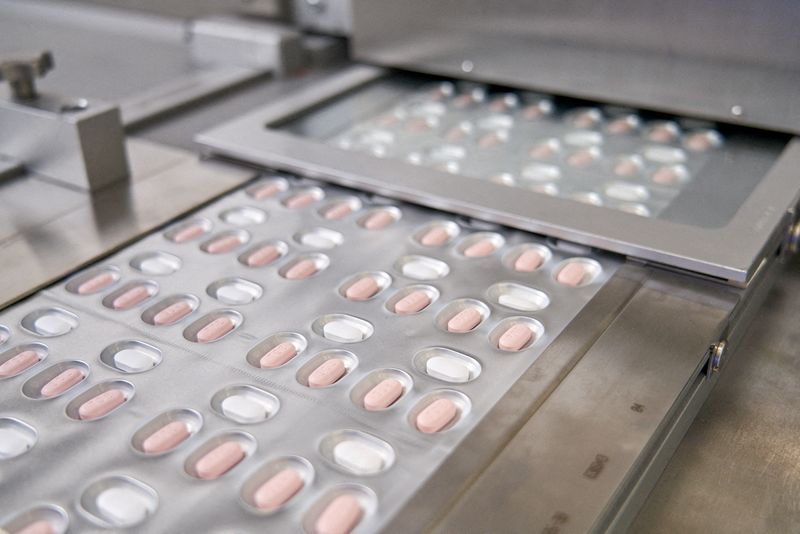
Rising COVID-19 cases in the United States are driving up use of therapeutics, with more than 660,000 courses of Paxlovid pills administered in the country so far.
Some patients have reported that COVID symptoms recurred after completing the five-day course of treatment and experiencing improvement, but exactly how many have experienced such a rebound is unclear.
Making headlines, Air National Guard Recovery Team to Raise F-16 During Operation in Cape May.
In Pfizer’s clinical trial, around 2% of recipients who received the two-drug treatment saw an increase in viral load after completing the standard course, compared with around 1.5% of placebo recipients.
White House COVID-19 response coordinator Dr. Ashish Jha said that data was compiled when Delta was the dominant variant of the coronavirus, and it is unclear whether reinfections are more common with Omicron now predominant.
Jha said that reinfections do not seem to hamper Paxlovid’s ability to reduce hospitalizations and deaths from COVID-19.
Pfizer has suggested that a second five-day course of Paxlovid could treat reinfections. The U.S. Food and Drug Administration said there is currently no evidence to support taking a second five-day course or a 10-day course of the pills.
(This story refiles to fix typographical error in third paragraph)
New this morning, New Jersey Bill Would Force Restaurants to Clearly Disclose Mandatory Gratuity Fees.
(Reporting by Michael Erman; Editing by Bill Berkrot)
In case you missed it, Newark School District Ordered to Repay $33K After State Rejects ‘Staff Fun Day’ Spending.