LAKEWOOD, NJ – The Lakewood Municipal Utilities Authority (MUA) is facing renewed criticism after budget documents revealed that its commissioners receive some of the most generous compensation packages among local utility boards in Ocean County, despite meeting only once a month for about one hour.
The situation mirrors the Toms River MUA, where members who serve are typically politically appointed insiders, who reap the reward of free healthcare, in return for showing up for just one meeting each month.
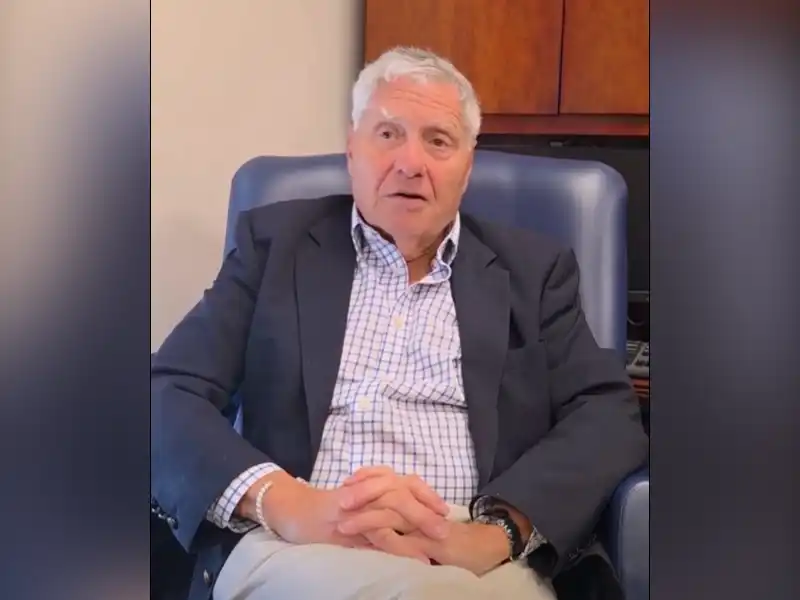
According to the authority’s 2025 budget, filed with the New Jersey Department of Community Affairs, the five-member board — chaired by State Senator Robert Singer — collectively receives tens of thousands of dollars annually in stipends, benefits, and allowances. Singer, who serves as chairman, earns a base stipend of $10,833, but with health insurance and other benefits included, his total annual compensation rises to $86,976.

Singer, who reportedly lives most of his days at his home in Island Heights has come under fire in the past by opponents who accuse him of not living full time in Lakewood’s legislative district. This has not been confirmed and the Senator has denied those accusations.
Other board members also receive substantial packages. Treasurer Craig Theibault and Assistant Secretary Anne Fish each collect about $65,000 a year, largely due to the inclusion of taxpayer-funded health benefits.
The board in Lakewood is stacked with elected officials and political insiders.
Vice Chairman and alternate commissioners Meir Lichtenstein, Samuel Flancbaum, and Yocheved Miller also receive compensation and benefits, even though alternates only serve when regular members are absent. Mayor Ray Coles, who sits on the board, does not accept benefits through the MUA.

The authority’s compensation practices have drawn comparisons to similar cases across Ocean County, where local utility boards have been accused of functioning as “patronage pits” offering free or heavily subsidized healthcare coverage to politically connected appointees. Critics argue that such benefits far exceed the scope of part-time public service roles and burden local ratepayers who fund the authority through their utility bills.
In Lakewood, the MUA manages water and sewer services for tens of thousands of residents. While its officials have defended the board’s pay structure as consistent with state law, watchdogs and transparency advocates continue to call for tighter oversight of quasi-independent agencies whose members receive full-time benefits for part-time work.