NEW BRUNSWICK, N.J. — A late-season cold snap threatens early plantings across New Jersey just as the spring gardening season accelerates, forcing gardeners to balance frost protection with timely planting decisions, according to Rutgers Cooperative Extension guidance and National Weather Service forecasts.
With a freeze watch in effect for parts of the state through Tuesday morning and temperatures potentially dipping into the 20s, the timing is critical. Late April typically marks a transition period when cool-season crops thrive, but warm-season plants remain vulnerable.
Cold weather complicates early planting window
The National Weather Service in Mount Holly has warned that sub-freezing temperatures could damage tender plants and early growth. That means gardeners who started planting ahead of schedule may need to take protective steps immediately.
Rutgers Cooperative Extension, a key resource for New Jersey growers, advises that frost-sensitive plants such as tomatoes, peppers, eggplant, and basil should not be planted outdoors until the risk of frost has passed—often closer to mid-May in many parts of the state.
Cool-season crops, however, can handle the chill and are well-suited for planting right now.
What to plant in New Jersey this week
Despite the cold, late April remains an active planting period for several vegetables and flowers that tolerate lower temperatures.
Gardeners across New Jersey can plant:
- Lettuce, spinach, and kale
- Peas and radishes
- Carrots and beets
- Broccoli and cabbage transplants
These crops not only withstand cooler nights but often perform better before the heat of early summer arrives.
Herbs like parsley and cilantro can also go into the ground now, while hardy annual flowers such as pansies and snapdragons continue to be safe choices for early color.
—
Key Points
• Freeze watch through Tuesday could damage early plantings across New Jersey
• Cool-season crops like lettuce, peas, and carrots are safe to plant now
• Warm-season vegetables should wait until after frost risk passes in May
—
What gardeners should be doing right now
Beyond planting, late April is a crucial preparation window that can shape the entire growing season.
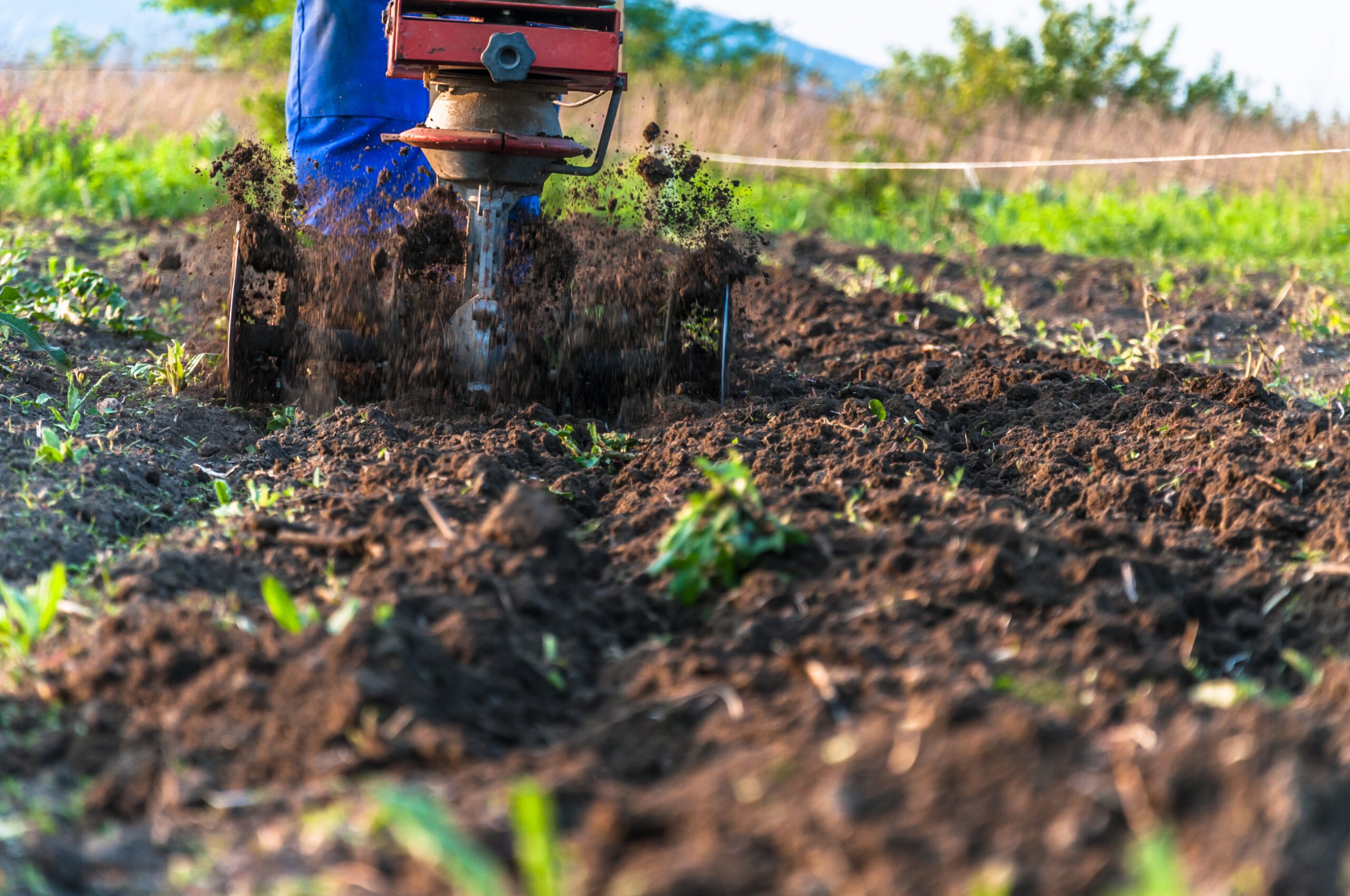
Soil preparation remains a top priority. Experts recommend loosening soil, adding compost, and ensuring proper drainage before planting. Wet spring conditions can compact soil, limiting root growth if not addressed.
Mulching is another key step. A light layer of mulch helps regulate soil temperature and retain moisture, though gardeners should avoid heavy mulching during cold snaps, as it can slow soil warming.
Gardeners should also begin hardening off seedlings—gradually exposing indoor-grown plants to outdoor conditions over several days. This step is essential before transplanting later in the season.
Protecting plants from sudden frost
With freezing temperatures possible, protection measures can make the difference between survival and loss.
Covering plants with lightweight fabric, frost cloth, or even old sheets overnight can help trap heat. Containers and potted plants should be brought indoors or placed in sheltered areas.
Watering the soil before a freeze can also help retain warmth, though overwatering should be avoided.
The National Weather Service specifically warns that unprotected outdoor plumbing may also be at risk, a reminder that the cold snap extends beyond the garden.
Timing the transition to warm-season crops
While garden centers begin stocking tomatoes and peppers in April, planting them too early remains a common mistake in New Jersey.
Soil temperature—not just air temperature—plays a critical role. Warm-season crops typically require soil temperatures above 60 degrees to establish properly. Planting too soon can stunt growth or kill plants outright if frost occurs.
Most regions in New Jersey reach safe planting conditions between early and mid-May, though coastal areas may warm slightly faster.
Looking ahead to May
As May approaches, gardeners will shift from preparation to full-scale planting. The coming weeks will open the door for beans, squash, cucumbers, and other warm-weather crops.
But this brief return to colder temperatures serves as a reminder that spring weather in the Northeast can remain unpredictable well into the growing season.
Gardeners who pace their planting and protect early crops stand the best chance of success.
For now, the freeze watch remains in place through Tuesday morning, and experts recommend delaying sensitive plantings while focusing on hardy crops and garden preparation.