


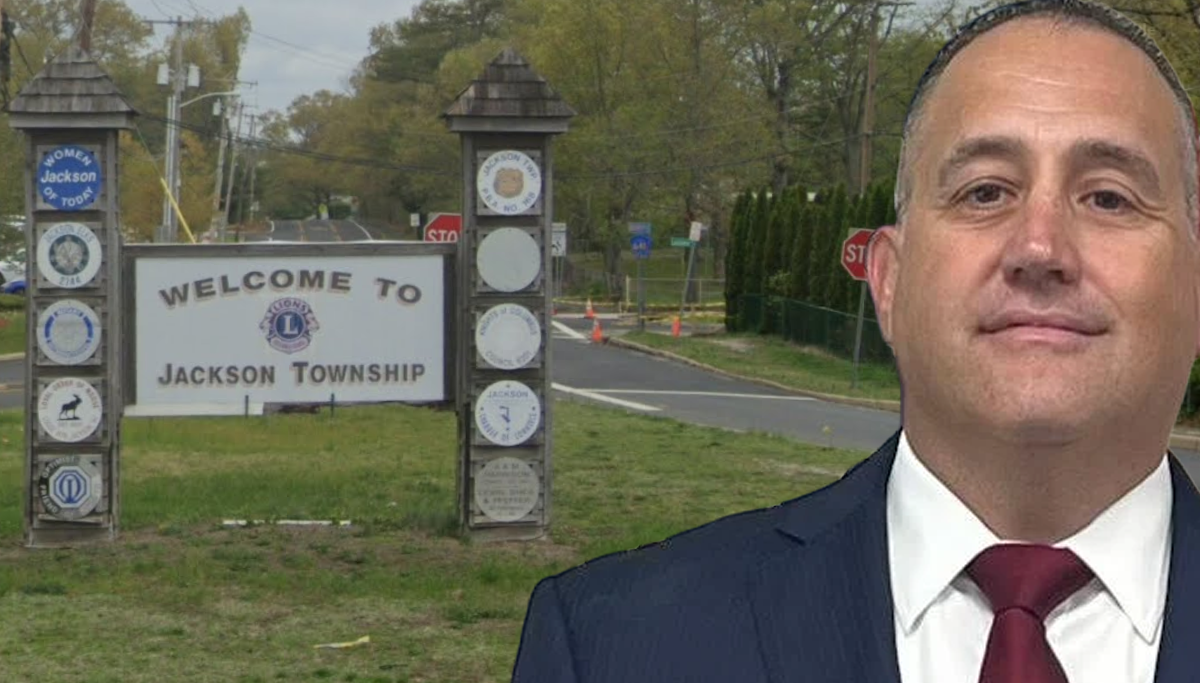
JACKSON, NJ — Jackson Township’s Republican leaders are ready to seize 129 private properties as officials say they are moving to recover more than $14.2 million in unpaid property taxes across 129 properties, but the aggressive push is now raising a deeper concern: whether some of those decades-old debts are still legally enforceable. The liens, some dating back to the 1980s and 1990s, have grown into six-figure balances, prompting foreclosure action and urgent notices to property owners.
Mayor Jennifer Kuhn announced the findings this week, calling the effort a long-overdue correction to restore lost revenue. But property records and tax sale history suggest the issue may extend beyond delinquency into potential gaps in how those debts were tracked and maintained over time.
Old liens resurface as township pushes foreclosure
The township has begun contacting property owners, offering deeds in lieu of foreclosure and setting 14-day deadlines for response. Officials say the goal is to return neglected properties to productive use while recapturing millions in unpaid taxes.
However, several of the identified parcels have appeared in prior tax lien sales, a critical detail that could determine whether the debts are still collectible under New Jersey law.
Tax lien systems typically follow a defined path: liens are sold, then either redeemed by the owner or foreclosed by the lienholder. In either case, the original tax obligation is resolved.
That raises a key issue now confronting the township’s claims.
Legal validity of decades-old debts under scrutiny
If a lien tied to any of these properties was previously redeemed or foreclosed, experts note the township may not be able to collect on those same debts again.
A review of available records shows:
- Some properties now carry $300,000 to $700,000 in accumulated debt
- In certain cases, relatively small original tax balances have ballooned due to years of interest and penalties
- Multiple parcels are linked to repeat or corporate ownership structures
But without clarity on prior tax sale outcomes, it remains unclear how much of the $14.2 million total represents active, unresolved liens versus debts that may have already been addressed.
—
Key Points
• Jackson Township seeks to recover $14.2M in unpaid taxes across 129 properties
• Some liens date back nearly 40 years and have grown into six-figure balances
• Prior tax sale history could determine whether portions of the debt are still valid
—
Township silent on prior tax sale outcomes
Despite the stakes, township officials have not detailed how many of the properties were part of earlier tax sales or whether those liens were resolved.
Business Administrator Charles Terenfenko has not publicly clarified the legal status of the debts or addressed questions about recordkeeping and enforcement gaps.
That lack of detail is significant, given that tax lien cycles are designed to prevent exactly this kind of long-term accumulation without resolution.
Financial recovery vs. potential legal exposure
The township’s strategy includes initiating in rem foreclosure proceedings, a process that allows municipalities to take control of properties tied to unpaid taxes. Officials argue the move is necessary to stabilize revenue and ensure fairness for residents who pay on time.
Mayor Kuhn framed the effort in those terms, emphasizing the burden unpaid taxes place on the broader community.
But if any liens were previously settled—or improperly carried forward—the township could face legal challenges, including disputes over property titles or claims of duplicate enforcement.
For property owners, the stakes are immediate. Some could face foreclosure over debts they may believe were already resolved, depending on how records are interpreted.
Broader implications for taxpayers
The outcome of the effort could have ripple effects beyond the 129 properties identified.
If the full $14.2 million is recoverable, it would represent a significant financial boost for the township. If not, the process could expose gaps in oversight, recordkeeping, or compliance with state tax lien procedures.
The situation also highlights the complexity of municipal tax systems, where decades-old records, interest accumulation, and multiple ownership transfers can complicate enforcement.
What happens next
Jackson Township Council is expected to proceed with foreclosure actions in the coming weeks, even as questions remain unresolved.
Officials have not indicated whether a full audit of lien history will be conducted before enforcement continues.
As of now, the central issue remains unanswered: how much of the $14.2 million is truly owed—and how much may already have been settled through prior tax processes.
The investigation into those records, and the township’s ability to defend its claims, will likely determine how the case unfolds.