
Trenton, NJ — Federal auditors questioned more than $1.1 billion in New Jersey’s use of pandemic relief funds after finding unsupported expenses, possible duplicate payments, missing documentation, and potentially ineligible charges tied to programs funded during the COVID-19 emergency.
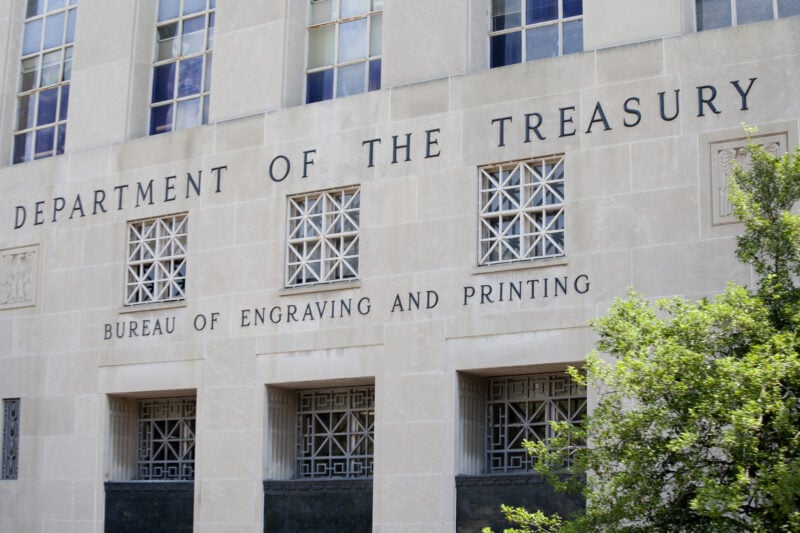
A U.S. Department of the Treasury Office of Inspector General desk review released Friday found New Jersey could not fully support hundreds of millions of dollars in Coronavirus Relief Fund spending, prompting recommendations that the federal government seek repayment if the state cannot produce adequate records. The review concluded the state’s “risk of unallowable use of funds is high.”
The findings stem from a review of New Jersey’s use of Coronavirus Relief Fund money distributed under the CARES Act, which sent the state nearly $2.4 billion during the pandemic.
Auditors cite unsupported and ineligible costs
The review, conducted by accounting firm Castro & Company under Treasury OIG oversight, identified $976.1 million in unsupported questioned costs and another $134.4 million classified as ineligible, for a combined total of $1.11 billion.
Auditors reviewed 25 selected transactions and additional payments flagged for possible duplication. They examined spending tied to grants, direct payments, payroll costs, transfers to government agencies, childcare programs, transit payroll, business assistance, and public health expenditures.
According to the report, New Jersey repeatedly failed to provide detailed sub-recipient records, invoices, payroll reports, and transaction-level documentation needed to verify whether spending met federal CARES Act requirements.
The Treasury Inspector General’s office warned that unsupported expenses could ultimately be recouped if the state cannot provide proof the funds were properly spent.
Key Points
• Federal auditors questioned $1.11 billion in New Jersey COVID relief spending
• Review found unsupported costs, duplicate payments, and missing records
• Treasury OIG may seek repayment if documentation is not produced
NJ Transit payroll and business aid drew scrutiny
One of the largest findings involved a $30 million payroll transfer to NJ Transit. Auditors said New Jersey failed to provide complete payroll distribution reports needed to verify workers qualified under CARES Act public health and safety rules.
The review questioned $19.9 million as unsupported and another $10 million as ineligible because the state used indirect cost calculations for fringe benefits that federal guidance prohibited.
Another major issue involved transfers to the New Jersey Economic Development Authority, which administered several pandemic-era business relief programs. Auditors found the state could only provide detailed records supporting about $141.6 million of $347.1 million reviewed, leaving a gap of more than $205 million in unsupported costs.
The report also revealed New Jersey self-identified more than $1 million in potentially fraudulent transactions connected to NJEDA-administered programs that were still under investigation during the review.
Auditors said they could not verify whether those potentially fraudulent payments had been removed from the state’s federal reimbursement claims because key records were missing.
Childcare, food assistance and payroll records lacked support
Several pandemic assistance programs intended to stabilize households and childcare providers also lacked documentation, according to the report.
Auditors questioned:
- $98 million tied to a childcare stabilization initiative because New Jersey failed to provide sub-recipient accounting records
- $18.2 million connected to pandemic food benefits for school-age children due to missing transaction-level details
- $12.6 million in childcare stabilization payments reported as direct payments instead of grants
- $250,398 in long-term care facility testing grants because supporting invoices were unavailable during the review
The review additionally flagged payroll reporting problems tied to higher education grants and telehealth work performed during the pandemic.
Auditors said some payroll records lacked hours worked, pay rates, department details, and supporting documentation needed to verify eligibility under federal guidance.
Duplicate payments and accounting errors uncovered
Treasury investigators also reviewed 13 transactions flagged as possible duplicate payments.
The review determined nine payments totaling about $3.6 million were duplicates or unsupported entries that should have been removed from federal reporting submissions.
Beyond individual transactions, auditors found broad accounting and reconciliation problems throughout New Jersey’s reporting system.
According to the report, the state used a “de-centralized” approach that distributed relief funds across dozens of agencies, creating difficulties in maintaining consistent records and supporting documentation.
Auditors also identified major discrepancies between New Jersey’s general ledger records and the amounts reported in the federal GrantSolutions reporting portal.
For example, aggregate payments to individuals showed a difference of more than $248 million between state ledger data and federal reporting totals. Transfers to government agencies differed by more than $682 million.
State says more records are coming
New Jersey officials disputed the implication that funds were improperly spent and told auditors the documentation exists but requires additional time to gather from multiple agencies.
According to the report, state officials began supplying additional invoices, purchase orders, and payment vouchers after meeting with Treasury OIG representatives. The state committed to providing more records during a follow-up review expected in 2025.
The report emphasized that the findings do not represent a final determination of fraud or misuse but rather questioned costs that lacked sufficient documentation during the review period.
Treasury’s Office of Inspector General recommended further follow-up and said a broader audit may still be warranted depending on how New Jersey responds.