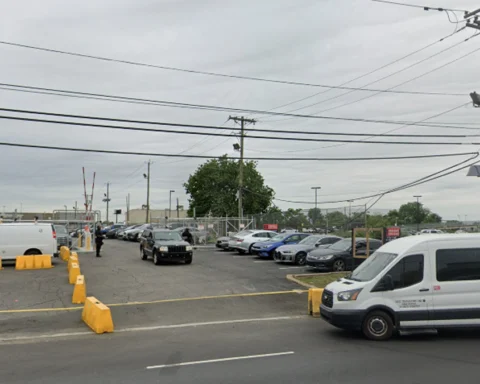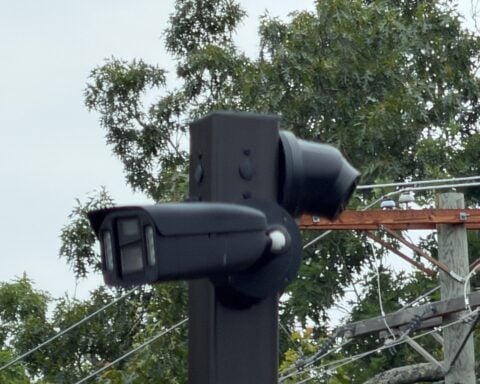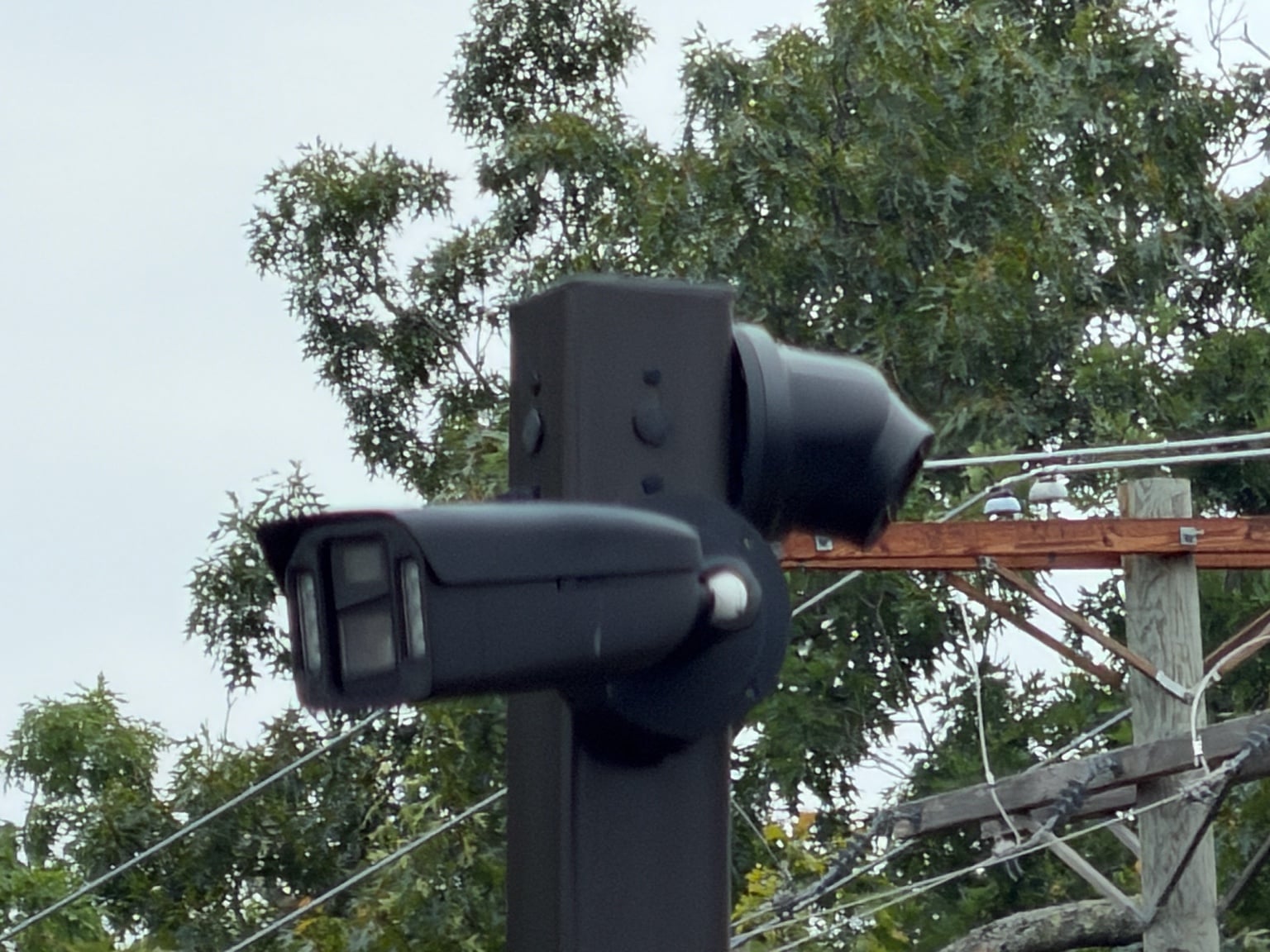
Toms River, NJ – Thousands of New Jersey motorists pass automated license plate reader cameras every day without giving them a second thought. The cameras, including those manufactured by Flock Safety, capture license plate numbers, vehicle descriptions, dates, times, and locations to assist police investigations ranging from stolen vehicles to homicide cases.
While nearly every driver can have their vehicle recorded as they travel public roadways, New Jersey has adopted policies that restrict how local law enforcement agencies may use or share that information when it comes to certain federal immigration enforcement efforts.
There are few laws that protect American citizens from that same data being used by law enforcement.
The result is a legal distinction that has drawn praise from immigrant advocacy groups and criticism from others who argue the protections are not equally available to all New Jersey residents.
What Flock cameras collect
Flock Safety cameras are now used by hundreds of law enforcement agencies nationwide, including departments throughout New Jersey. Unlike traditional traffic cameras, the systems are designed to capture license plates and identify characteristics such as a vehicle’s make, model, color, and unique features.
Police can search the database for vehicles connected to criminal investigations, receive alerts when a wanted vehicle passes a camera, and share information with participating law enforcement agencies under applicable laws and agency policies.
If you’re an illegal alien being sought by the federal authorities, you are safe. If you are an American being investigated by federal authorities, you’re out of luck, they will get your data from the local police departments.
Civil liberties organizations have raised concerns that the technology allows police to reconstruct a driver’s movements over time, even when the individual has never been accused of committing a crime.
New Jersey restricts cooperation with ICE
New Jersey’s Immigrant Trust Directive limits how state and local law enforcement agencies may assist federal immigration authorities in matters involving civil immigration enforcement.
Among other provisions, the directive generally prohibits state and local law enforcement officers from providing certain forms of assistance to U.S. Immigration and Customs Enforcement (ICE) when the request relates solely to civil immigration enforcement rather than a criminal investigation. Those restrictions can also affect how agencies share information, including certain law enforcement databases, depending on the circumstances and applicable policies.
The directive does not prohibit cooperation in criminal investigations or prevent local police from investigating crimes committed by anyone regardless of immigration status. It also does not prevent ICE from obtaining information through lawful federal processes or its own investigative authorities.
Supporters of the directive argue it encourages immigrant communities to report crimes and cooperate with police without fear that routine interactions will automatically lead to deportation proceedings.
Critics contend the policy limits information-sharing that could assist federal immigration authorities in locating individuals who are in the country unlawfully.
Few comparable protections for ordinary motorists
While New Jersey has adopted specific policies governing cooperation with federal civil immigration enforcement, there is no comparable state law broadly prohibiting police from collecting automated license plate reader data on motorists traveling public roads.
As a result, the license plate of a U.S. citizen, lawful permanent resident, or visitor may be scanned repeatedly as they drive through communities equipped with Flock or other automated license plate reader systems.
Police agencies generally maintain that the cameras observe only what is already visible from public roadways and serve as valuable investigative tools for solving crimes, locating missing persons, recovering stolen vehicles, and identifying suspects.
Privacy advocates counter that widespread deployment of automated license plate readers creates large databases documenting the movements of law-abiding residents who are not suspected of any wrongdoing.
Debate continues over privacy and public safety
The rapid expansion of automated license plate reader technology has prompted ongoing debates in legislatures and courtrooms across the country. Some states have enacted laws limiting data retention periods, requiring audits, or restricting who may access the information.
In New Jersey, questions surrounding automated surveillance have become increasingly intertwined with broader debates over immigration enforcement, privacy rights, and the appropriate balance between public safety and civil liberties.
Law enforcement agencies continue to describe license plate reader technology as one of their most effective investigative tools, while critics argue stronger statutory protections should apply to all motorists whose travel is routinely recorded.
As the number of cameras continues to grow across New Jersey, lawmakers may face increasing pressure to determine whether additional statewide standards governing data retention, information sharing, and privacy protections are warranted.
Data in this article was obtained from the New Jersey Attorney General’s Office Immigrant Trust Directive, Governor Mikie Sherrill’s Immigrant Trust law, and Flock Inc.