


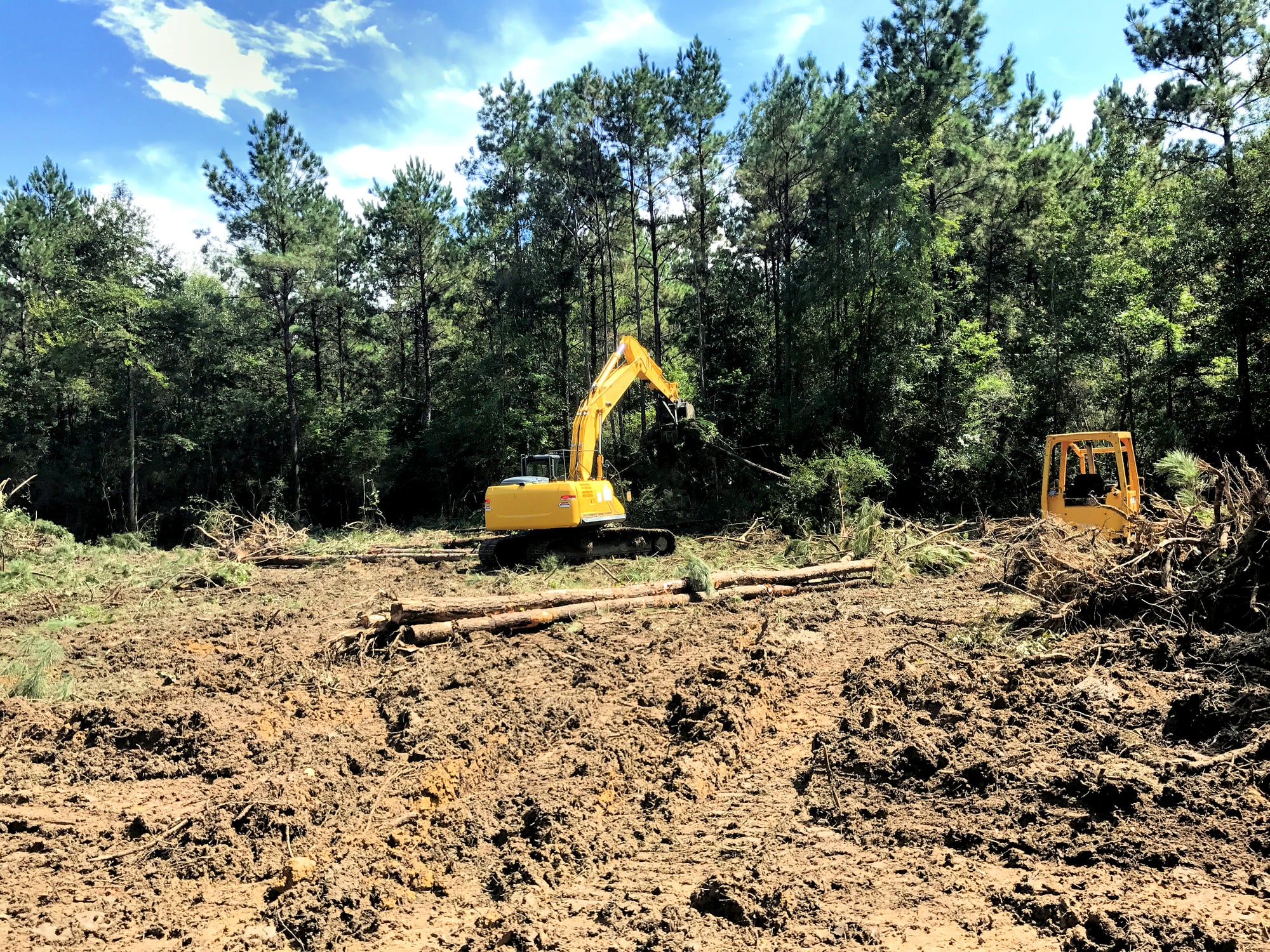
MANCHESTER, N.J. – Drive west out of Jackson and into Manchester and the difference is still obvious. The subdivisions thin out. Woods replace rooftops. Long stretches of road still look much the way they did decades ago.
But underneath that landscape, Manchester is changing, and that change is going to happen soon, in a sudden burst, like a supernova.
Property records show land being accumulated across the township, often under LLC names that give the average resident little indication of who is behind the purchase or what ultimately may be planned for the property. Some are individual lots. Others are pieces that become much more valuable when assembled with neighboring land.
Developers are also showing up before the Planning Board, fighting over development rights in court and positioning projects in areas where building was once difficult because public water and sewer were not readily available.
Now water is arriving from Jackson in a deal struck between township leaders and the Jackson MUA to bring the necessary water capacity needed for some of these high-density developments.
In Jackson, groups are fighting the town’s growth. In Manchester, things have been relatively quiet, but the land pioneers are already here.
For anyone who watched Jackson change over the past 15 years, the sequence is familiar.
Manchester’s Land Rush Is No Longer Speculation
Shore News Network reported on the Manchester land rush last year, when investors were already buying undeveloped property at prices well below those found in Lakewood and developed portions of Jackson.
One investor summed up the market at the time.
“It’s like the Gold Rush out here right now,” the investor told Shore News Network. “Everyone is buying up what they can and hoping Manchester becomes the next Jackson in a few years.”
A year later, there is more evidence behind that bet and more investors staking claims in the community.
Manchester’s own Planning Board files show LLCs attached to projects and properties around the township. Arya Properties at Brentwood LLC has pursued a subdivision on Wilbur Avenue. Craftway Center LLC has a project on Ridgeway Road. 605 Toms River Road LLC has returned with plans involving property on Ridgeway Boulevard. A 240-unit apartment development at Route 37 and Colonial Drive was brought forward by 2701 Highway 37 LLC.
And some of these companies are not merely buying property and waiting.
One LLC recently went to court over an easement the company says is interfering with its proposed townhouse development on Ridgeway Road.
Another company, 451 Old Lacey Acquisition LLC, has sued Manchester over zoning changes affecting a 25-acre Whiting property. That lawsuit challenges several of Manchester’s recent land-use decisions and seeks to preserve development opportunities the property owner says the township took away.
Those cases matter because Manchester is not simply dealing with hypothetical growth 10 or 20 years from now. Developers already own land and are spending money to determine what can be built on it.
Then Jackson MUA Brought the Water Line West
There is a reason some Manchester land remained inexpensive for so long.
You cannot build Jackson-style density everywhere with private wells and septic systems.
Public water and sewer change the economics.
Jackson residents have watched that happen neighborhood by neighborhood. Utility extensions opened previously rural sections of the township to projects that would have been difficult or impossible to build at the same density without them.
The Jackson MUA has been driving rapid growth in Jackson and is now driving that growth westward, with the help of the current leadership in Manchester.
Manchester is now standing on the other side of that pipe, essentially staring down a three-foot-wide loaded barrel.
In April, Shore News Network found Jackson MUA extending water infrastructure along South Hope Chapel Road toward the Manchester border.
The line itself does not approve a single house.
It doesn’t change Manchester zoning by itself, either.
What it does is remove one of the practical obstacles that kept development from moving farther west.
A developer still needs land with the appropriate zoning, environmental approvals and municipal or state land-use approvals. Large portions of Manchester also fall within the Pinelands regulatory system.
But a piece of property without public utilities and the same property sitting near an available water connection are two very different development prospects.
That is why the Jackson MUA extension needs more attention than another construction trench on the side of South Hope Chapel Road.
Manchester Has Been Rewriting Its Development Rules
While investors have been buying land and utilities have been moving toward the township, Manchester has been rewriting portions of its land-use code.
Its 2025 Master Plan Reexamination recommended changes involving cluster development, density calculations and older development provisions.
Then came New Jersey’s latest affordable housing round.
Manchester’s court-established obligation includes a prospective need of 412 affordable units. Meeting that obligation has required new planning, settlements and zoning ordinances, including a new Pinelands affordable housing zone.
That does not mean 412 homes are about to be built. It means 2,000 more units are slated over the next ten years, not considering pre-existing plans and projects.
Affordable housing numbers also should not be confused with the total number of homes that ultimately can accompany development. Depending on the zoning and project, affordable units can be incorporated into considerably larger developments containing market-rate housing.
The number is usually around 20% affordable housing to %80 market rate housing.
Manchester already has a real-world example of substantial residential construction moving through its land-use process.
Last year, Shore News Network reported that a 240-unit apartment complex was approved at Route 37 and Colonial Drive.
It is difficult to look at that project, the Ridgeway development fight, the Old Lacey Road litigation, the land purchases and the water expansion as isolated events anymore.
They are happening at the same time, in the same township.

The Officials Who Led Manchester’s Boom Are Leaving Too
There is another part of the story that has caught residents’ attention.
The political team elected to run Manchester in 2022 has already begun breaking apart and fleeing the town. Do they know something the rest of us don’t?
Robert Arace won the mayor’s office with running mates Roxanne Coniff and Joseph Hankins. Arace later left the mayor’s office for the Ocean County Board of Commissioners after a deal was struck with Democrats to split the ticket that year to get Arace into office. That deal lead to a prominent Toms River Democrat getting work in the township and later becoming a judge…a hard sell in a Republican majority county.
Then Arace became a commissioner and put his Manchester house on the market.
Coniff went further. She sold her Manchester home, moved to Tuckerton and resigned from the Township Council.
Shore News Network reported on the departures in April, just as the implications of the Jackson MUA connection were becoming clearer.
Arace was mayor during an important period in Manchester’s planning and utility discussions. Coniff served as council president. Both are now leaving or have left the community while many of the decisions made during their tenure are beginning to play out.
Hankins, who ran with them in 2022, is now mayor and running for re-election.
Jackson Didn’t Become Jackson Overnight
Anyone looking for bulldozers across all of Manchester tomorrow is missing the point.
That isn’t how Jackson happened.
Growth there moved outward as property changed hands, projects won approvals and infrastructure reached farther into undeveloped sections of town. One project did not transform Jackson. Hundreds of individual decisions eventually did.
Manchester still has substantial barriers to that kind of growth.
The township is enormous. Pinelands regulations cover significant territory. Environmental constraints make some property difficult to develop, while preserved government land will remain open space regardless of what happens to surrounding parcels.
Manchester officials have also taken steps intended to control development, and some of those actions are now being challenged by property owners who want greater development rights.
But Manchester has something today that it did not have a few years ago: developers actively fighting for those rights while utility infrastructure moves closer to their land, just as Jackson had ten years ago.
That changes the conversation.
A wooded lot may stay wooded for decades when there is no water, no sewer and little economic reason to assemble surrounding parcels.
Put utilities nearby, increase neighboring property values, create new housing zones and suddenly somebody has a reason to buy it.
Then somebody buys the lot next door.
And the one behind it.
Manchester residents do not have to look far to see where that process can lead.
They can drive east into Jackson.