
NEWARK, NJ – The Centers for Disease Control and Prevention (CDC) has issued a new Health Alert Network (HAN) Health Advisory, highlighting an increased risk of dengue virus (DENV) infections across the Americas, including cases among travelers in the United States. Notably, 41 travelers in New Jersey have been affected.
Over 220 people have contracted the disease in the New York, Connecticut, and New Jersey tri-state area.
The CDC reports that dengue cases have reached unprecedented levels in 2024, with countries in North, Central, and South America experiencing a record-breaking number of infections. From January 1 to June 24, 2024, over 9.7 million cases were reported in the Americas, more than double the 4.6 million cases recorded in all of 2023. Puerto Rico has declared a public health emergency with 1,498 cases, and 745 cases have been identified among U.S. travelers in the same period.
Healthcare providers are advised to be vigilant for dengue symptoms in patients with recent travel history to areas with active transmission. Appropriate diagnostic tests, such as RT-PCR and IgM antibody tests, should be conducted for suspected cases. Timely reporting of dengue cases to public health authorities is essential, and mosquito bite prevention measures should be promoted for those in affected areas.
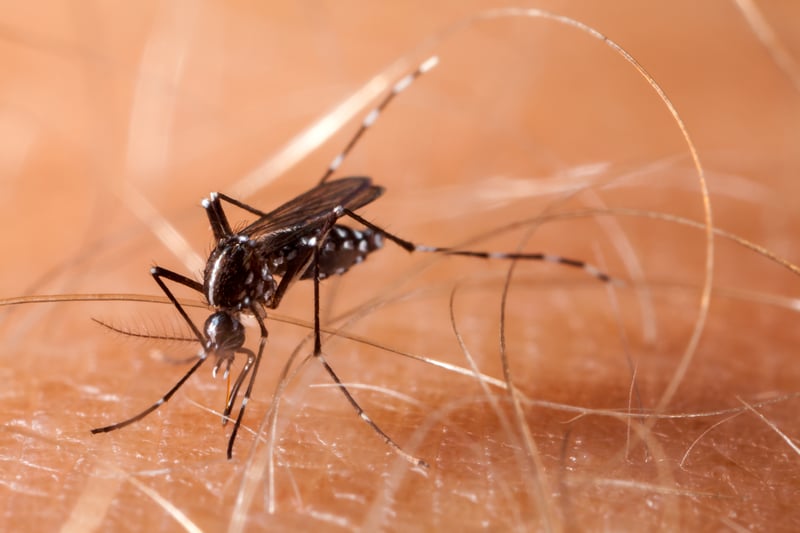
Dengue, the most common arboviral disease worldwide, is caused by four related viruses (DENV-1, -2, -3, and -4) transmitted by Aedes mosquitoes. Infection with one virus provides lifelong protection against that specific virus but only temporary protection against the others. Dengue is a nationally notifiable disease in the U.S., with continuous transmission in Puerto Rico, American Samoa, the U.S. Virgin Islands, Micronesia, the Marshall Islands, and Palau. Sporadic local transmission has occurred in Florida, Hawaii, Texas, Arizona, and California.
Symptoms of dengue, which appear 5-7 days after infection, include fever, nausea, vomiting, rash, muscle and joint pain, headache, and low white blood cell counts. Severe cases can result in bleeding, shock, respiratory distress, or organ impairment. Infants, pregnant individuals, older adults, and those with certain medical conditions are at higher risk for severe disease.
Testing for dengue should include RT-PCR or NS1 antigen tests and IgM antibody tests. No antiviral treatments are available, and management is supportive, focusing on careful fluid management. Proper triage and management can significantly reduce morbidity and mortality associated with dengue.