
President Donald Trump is expected to sign a groundbreaking executive order today, officially designating English as the official language of the United States and requiring all federal agencies to provide documentation and paperwork exclusively in English. The move, anticipated to take effect immediately upon signing, marks a significant shift in federal policy and has already sparked a mix of support and controversy across the nation.
The executive order, titled “Promoting Unity and Efficiency in Government Operations,” aims to standardize communication within the federal government. According to sources close to the administration, the order will mandate that all official forms, notices, reports, and correspondence issued by federal agencies be produced solely in English.
Agencies will no longer be required—or permitted—to provide multilingual versions of documents, a practice that has been in place for decades to accommodate non-English-speaking residents and immigrants.
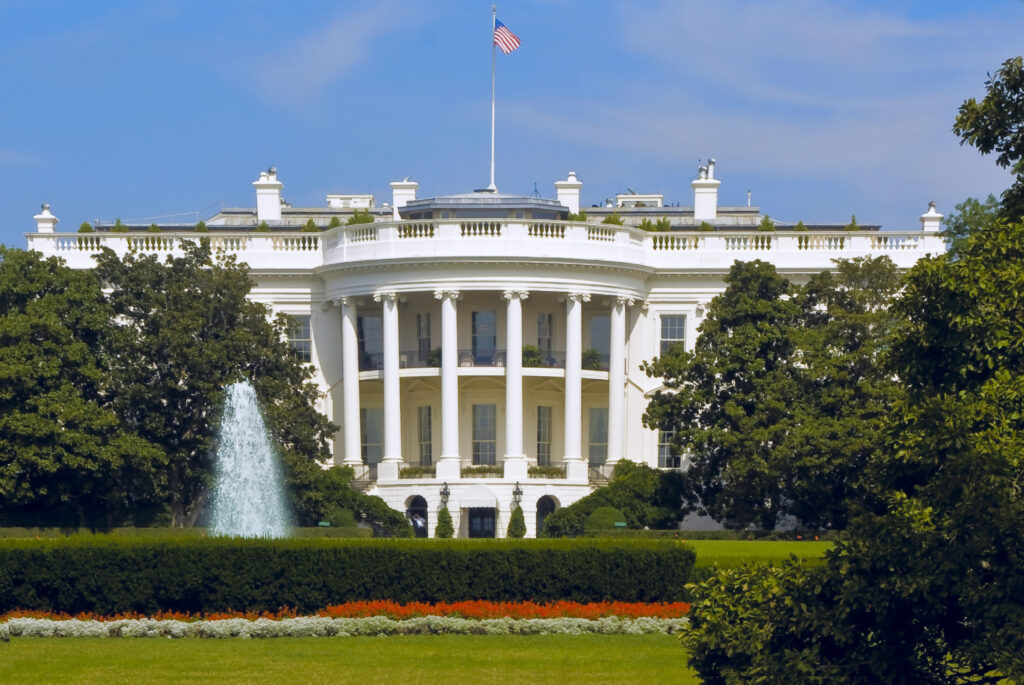
The signing ceremony is scheduled to take place this afternoon at the White House.
The New Jersey state government does not have a uniform, statewide policy mandating a specific number of languages for all government documentation and services. However, a significant development occurred in January 2024 when Governor Phil Murphy signed a law (S2459) requiring state government entities that provide direct services to the public to offer interpretation services and translate vital documents into at least seven of the most common non-English languages spoken in New Jersey.
These languages are not explicitly listed in the law but are determined based on prevalence, with implementation phased in over time—five languages by January 12, 2025, and two additional ones by January 12, 2026.
In practice, prior to this law, language support varied by agency.
Spanish has historically been the most commonly supported non-English language, appearing in documents like driver’s manuals, voter registration forms, and COVID-19 information. Some agencies, such as the Division of Elections, also provide materials in languages like Korean and Gujarati, but this is inconsistent. The 2024 law marks a shift toward broader, mandated support, though full compliance is still rolling out.
New Jersey is linguistically diverse, with over 150 languages spoken statewide according to U.S. Census data. The new law covers only a fraction of these, focusing on the seven most prevalent, which likely include languages like Spanish, Chinese (Mandarin/Cantonese), Korean, and others based on demographic trends. Until the Trump executive order mentioned in your previous prompt takes effect (hypothetically signed today), which would mandate English-only federal documentation, state-level practices like New Jersey’s would remain unaffected by federal policy.
The U.S. Census Bureau estimates that over 67 million people—roughly 20% of the population—speak a language other than English at home, with Spanish, Chinese, and Tagalog among the most common. Critics warn that the shift to English-only documentation could disproportionately affect these groups, particularly in areas like healthcare, taxation, and immigration services.