
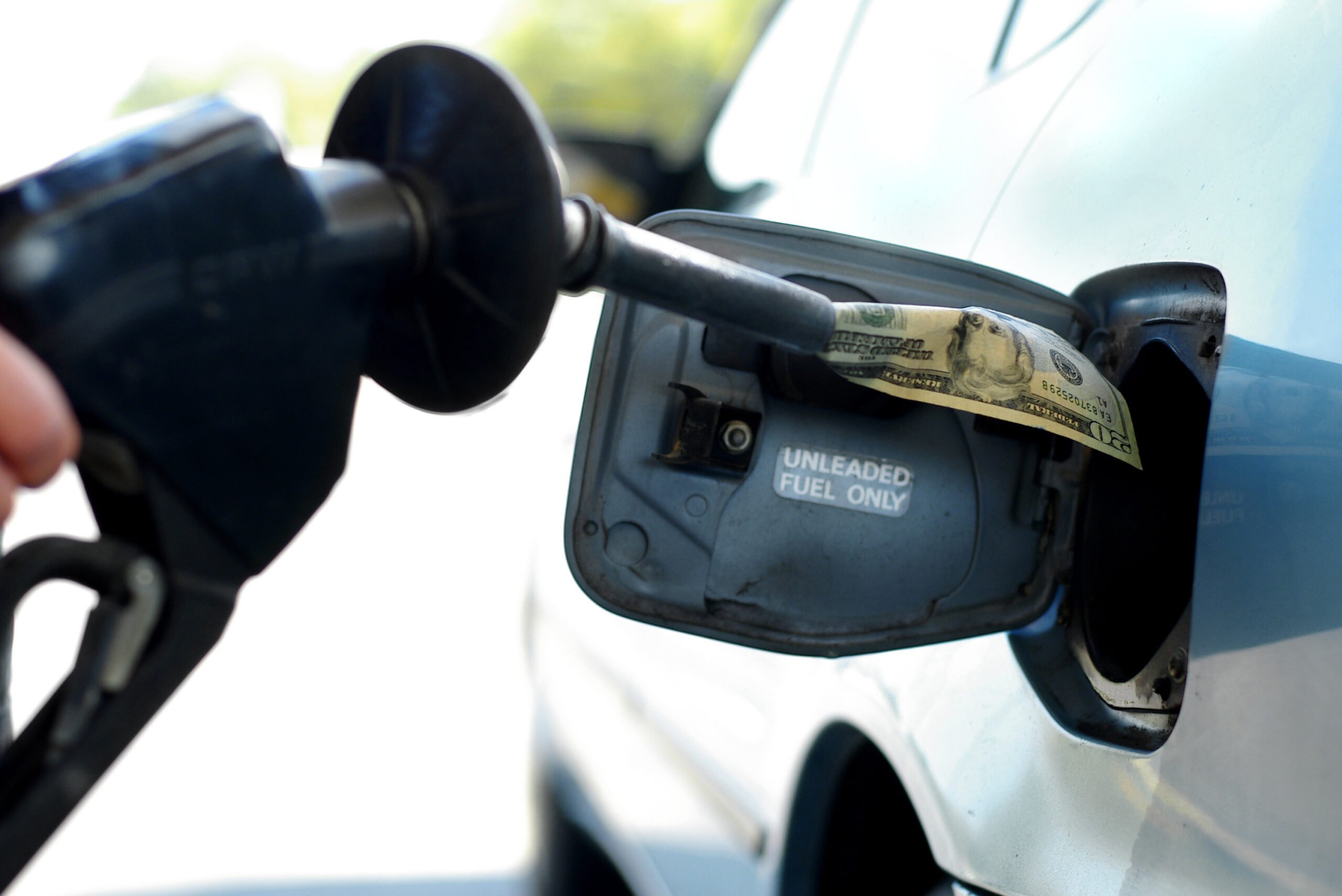
While the national average for gasoline has climbed to about $3.41 per gallon, several stations across New Jersey are still selling fuel for less than $3.
Trenton, NJ – Gas prices across the United States are climbing again as global tensions and seasonal changes push fuel costs higher. Despite the increase, several gas stations in New Jersey are still managing to keep prices below the $3 per gallon mark.
Drivers searching for cheaper fuel are increasingly turning to price-tracking platforms such as GasBuddy, which show several locations across the state offering gasoline at prices well below the national average.
Key Points
• National gas price average has climbed to about $3.41 per gallon
• Several New Jersey stations are still selling gas for under $3
• Global conflict, seasonal fuel changes, and refinery maintenance are driving prices higher
New Jersey stations still under $3
Recent listings from GasBuddy show several New Jersey stations offering some of the lowest prices in the state.
A Delta station in Pompton Lakes was listed around $2.63 per gallon, while a Wawa location in Hamilton reported prices near $2.73.
Other stations showing prices under $3 included Conoco in Beach Haven at approximately $2.77 and Jersey Oil in Newark at about $2.88 per gallon.
Several additional stations, including Exxon, Shell, and Sunoco locations, were listed at about $2.99 per gallon, keeping them just under the $3 threshold.
Why gas prices are rising
Energy analysts say multiple factors are contributing to the latest rise in gasoline prices nationwide.
One of the biggest drivers is escalating geopolitical tension in the Middle East, particularly involving Iran, which has disrupted oil shipments through the Strait of Hormuz.
The critical shipping route handles roughly 20 percent of the world’s oil supply, and disruptions there can quickly affect global energy markets.
Seasonal fuel changes also play a role
Gasoline prices also typically rise during the spring as refineries transition to summer-blend fuel.
This fuel mixture is required in warmer months because it reduces evaporation and smog formation, but it is more expensive to produce.
At the same time, some refineries are undergoing scheduled maintenance, which temporarily reduces fuel production and tightens supply.
What drivers can expect next
Industry experts say prices may continue to fluctuate depending on global oil markets and seasonal demand.
If tensions in oil-producing regions persist or refinery output remains limited, gas prices could remain elevated as the summer travel season approaches.
For now, price tracking services recommend drivers compare stations locally, as prices can vary widely even within the same region.