
TRENTON, NJ—As spring unfolds across New Jersey, residents often encounter baby wildlife, particularly rabbits and deer, in their gardens and yards. While these encounters can be delightful, they also pose challenges for well-meaning individuals wanting to help. Wildlife experts provide guidance on how to handle these situations responsibly.
During the spring months, baby animals are frequently seen, but often they are not in distress or abandoned.
Rabbits, for example, are commonly found in shallow nests in grassy areas. Mother rabbits typically visit their nests only twice a day to avoid attracting predators. If you find a nest of baby rabbits, the best course of action is to leave them alone. “People often mistake these babies as abandoned, but in most cases, the mother is nearby and returning only briefly to nurse,” explains Dr. Emily Wilson, a wildlife biologist.
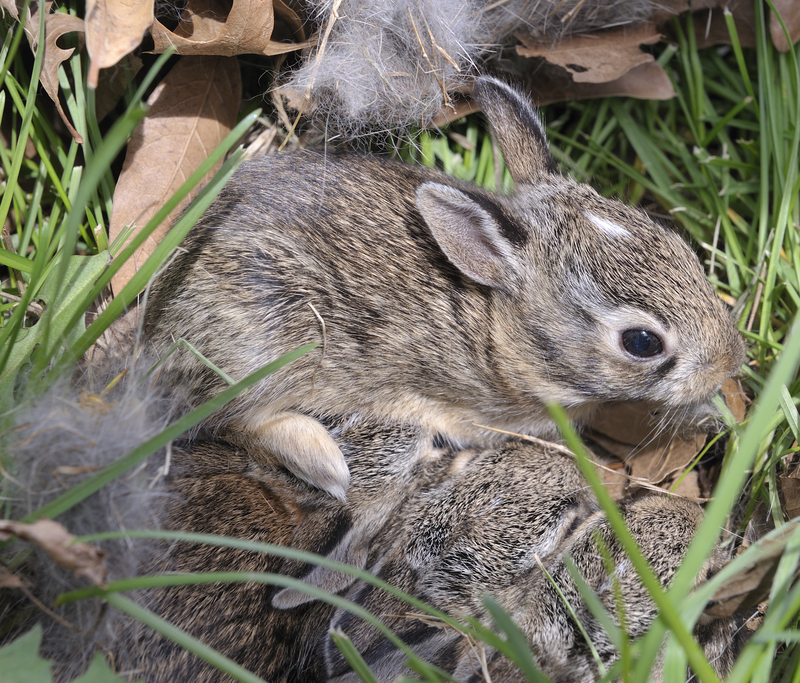
For those who are concerned about the safety of a nest, particularly from lawnmowers or pets, Dr. Wilson suggests placing a string in a grid pattern over the nest. If the string is disturbed after 24 hours, it’s likely the mother has returned. “This method minimizes human interference while confirming that the mother is still caring for her offspring,” she says.
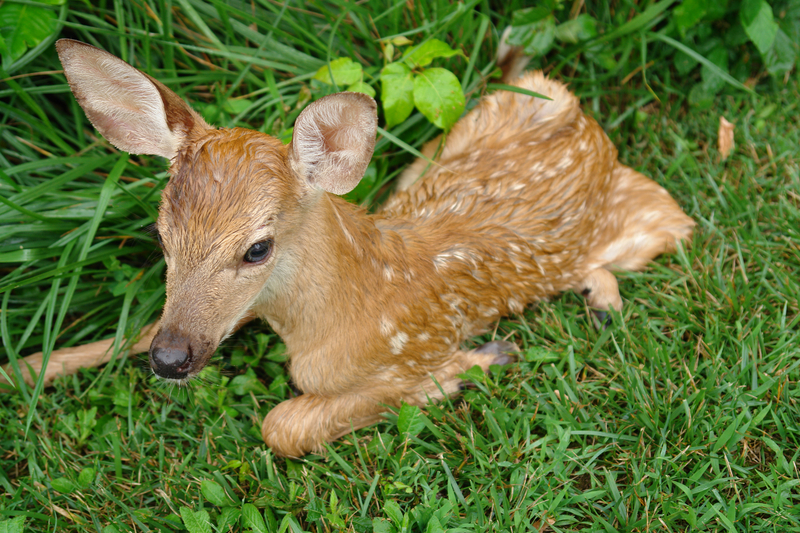
Deer fawns, which are also frequently encountered in New Jersey, may be found alone, lying quietly in grass. This behavior is normal as fawns are left alone by their mothers to avoid drawing predators with their scent.
Fawns are well-equipped to protect themselves by staying motionless, and mothers return at dawn and dusk to move and feed their young.
If you come across a fawn that appears healthy and unharmed, it is crucial to resist the urge to touch or move it. Human scent can deter the mother from returning.
However, if a fawn is found on a busy road or in an unsafe location, it’s advised to contact a local wildlife rehabilitator or the New Jersey Division of Fish and Wildlife before intervening.
In cases where a baby animal appears injured or in distress, the best action is to contact professionals.
Handling wildlife can not only stress the animal but also pose risks to the person, including bites or scratches.
New Jersey has licensed wildlife rehabilitators trained to care for injured or orphaned wildlife properly.
Residents are also urged to keep their pets away from wildlife, especially during the spring when baby animals are most vulnerable. Dogs and cats can be curious and may unintentionally harm baby animals. Keeping pets leashed and monitoring them during outdoor activities can prevent unwanted encounters.
Educational outreach is also a part of the effort to protect wildlife. Schools and community centers in New Jersey often host sessions with wildlife experts to teach children and adults how to appreciate and assist wildlife responsibly. These programs emphasize the importance of conservation and the role of humans in supporting the ecosystem.
Finally, enjoying wildlife from a distance is a crucial message from conservationists. Observing baby animals in their natural habitat can be a rewarding experience without the need to intervene.