Kamala Harris Says She’d Sign a Reparations Bill if Elected President: What That Means and Why It Matters
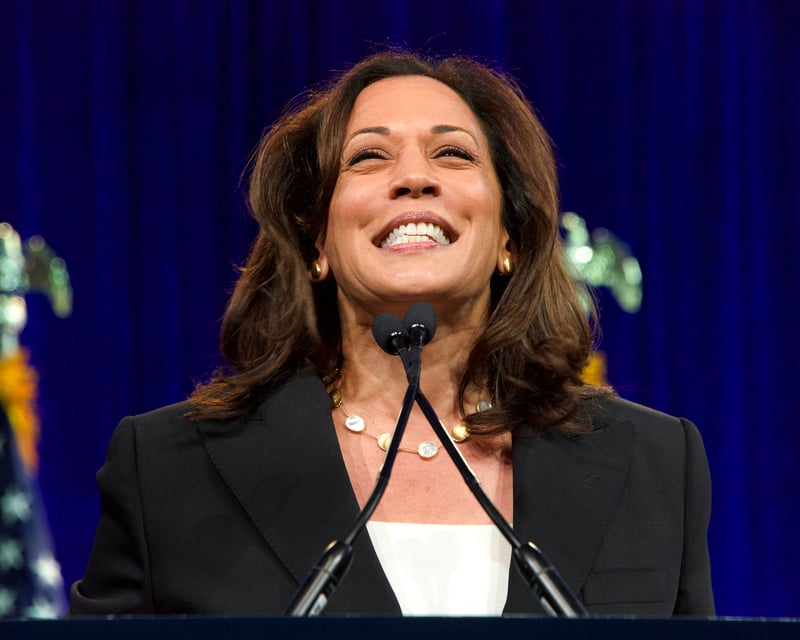
In a 2020 conversation with Reverend Al Sharpton, Kamala Harris, then a presidential candidate, made a bold promise that still resonates today. When asked if she would sign a bill to initiate the process of paying reparations to African Americans if elected, Harris didn’t hesitate. “When I am elected President, I will sign that bill,” she declared. This statement highlights her commitment to addressing one of the most complex and controversial issues in American history: reparations for slavery.
But what exactly does this mean? And why is it such a hot-button topic?
What Are Reparations for Slavery?
Reparations for slavery refer to the compensation or restitution given to African Americans to address the centuries of injustice, exploitation, and systemic racism stemming from slavery. It’s more than just a paycheck—it’s about recognizing the deep, long-lasting impact that slavery has had on African Americans, including economic disparities, educational inequalities, and ongoing discrimination.
The idea behind reparations isn’t new. It dates back to the post-Civil War era when the famous promise of “40 acres and a mule” was made to freed slaves—a promise that was never fulfilled. Today, reparations could take many forms, from direct financial payments to investments in education, housing, and healthcare for African American communities. The goal is to repair the damage done and provide a path toward equality and justice.
Why Do Some People Support Reparations?
Supporters of reparations argue that it’s a necessary step toward healing the nation’s deep racial wounds. They believe that the effects of slavery didn’t end with the Civil War or the Civil Rights Movement; they’ve been passed down through generations, manifesting in systemic inequalities that persist today.
For many, reparations are about accountability. It’s an acknowledgment of the wrongs committed and a commitment to addressing the inequalities that still exist. Proponents also see it as a way to close the racial wealth gap, which is a direct result of centuries of economic disenfranchisement of African Americans.
Why Do Some People Oppose Reparations?
Opposition to reparations is rooted in several arguments, ranging from practicality to principle. Some people believe that it’s impossible to assign blame or responsibility for historical events that occurred generations ago. They argue that the people alive today weren’t directly responsible for slavery and that reparations could create further division rather than unity.
Others worry about the financial cost and logistical challenges. How do you determine who is eligible for reparations? How much should be paid? And where would the money come from? These are complex questions without easy answers, fueling much of the opposition.
There’s also a broader philosophical debate. Critics argue that focusing on reparations could perpetuate a victim mentality rather than empowering African Americans to succeed in today’s society. They believe the focus should be on policies that promote equality and opportunity for all, rather than compensating for past injustices.
Should People With No Cultural or Ancestral Ties to Slavery Pay Reparations?
This question often comes up in discussions about reparations, and it’s a tricky one. America is a melting pot, with people from diverse backgrounds, many of whom have no direct connection to the history of slavery. Should these individuals bear the financial burden of reparations?
Supporters of reparations would argue that it’s about the collective responsibility of the nation. The benefits of slavery were not isolated to a few; they helped build the wealth and infrastructure of the entire country. As such, reparations are seen as a national obligation, not just the responsibility of those with direct ancestral ties to slavery.
Opponents, however, may feel that it’s unfair to ask people with no historical connection to slavery to pay for the sins of the past. They argue that reparations should be more targeted, focusing on those who were directly harmed, such as through discriminatory housing practices in the 20th century.
What’s Next?
Kamala Harris’s pledge to sign a reparations bill if she were elected president was a significant moment in the 2020 campaign, and it continues to spark debate. While Harris is now Vice President, the conversation about reparations is far from over. Whether or not reparations will ever become a reality remains to be seen, but the discussion is crucial in understanding how America grapples with its past and moves forward toward a more just future.
In the 2024 election cycle, Harris mentioned she has not changed her positions.
In 2020, then-candidate Joe Biden made a similar promise. No such study has been conducted by the Biden-Harris administration during their nearly four years in office.