


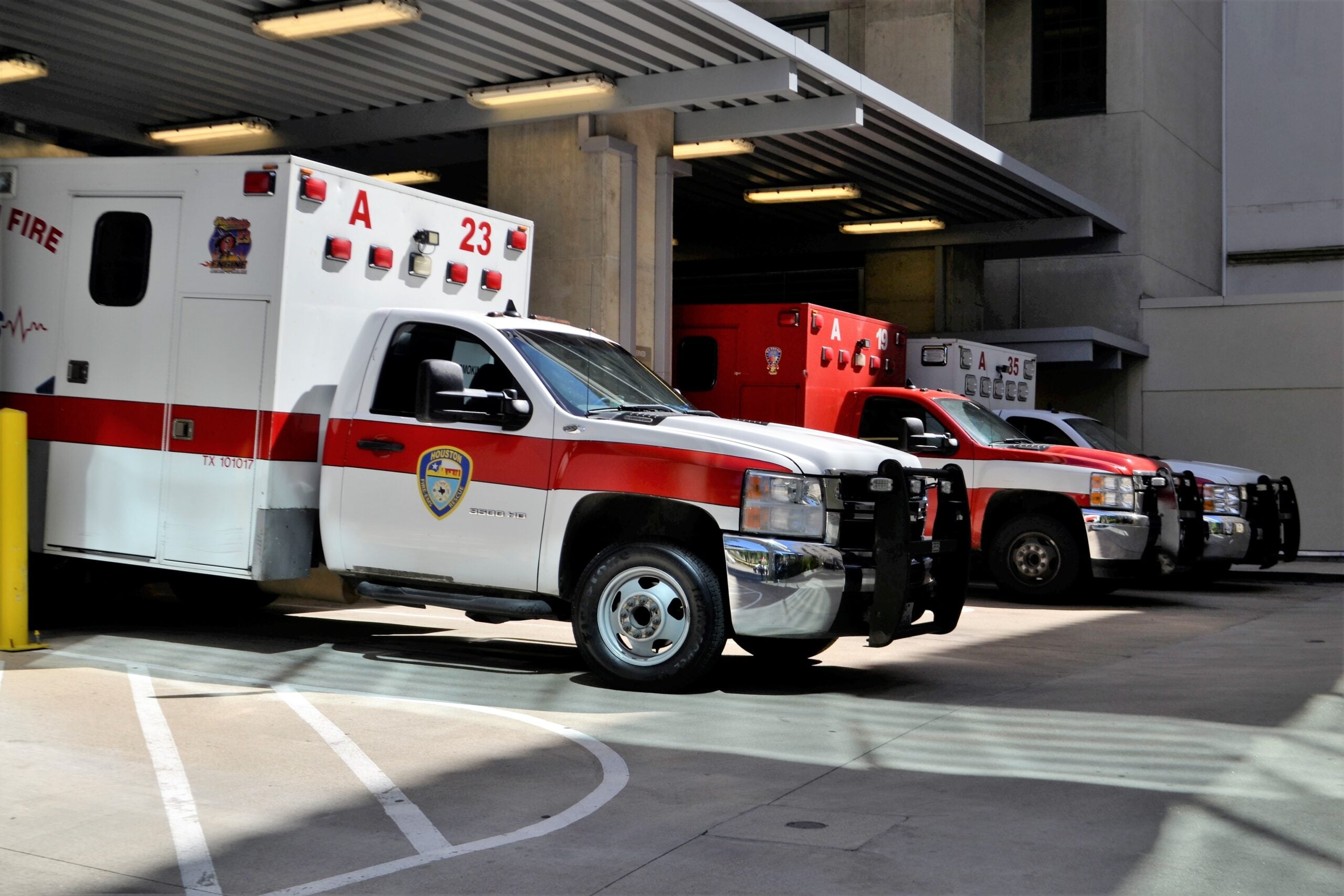
The legislation would permit emergency medical personnel to transport and provide emergency care to injured law enforcement canines when no human patient requires treatment.
TRENTON, N.J. — A New Jersey lawmaker has introduced legislation that would allow ambulances and emergency medical personnel to transport injured police dogs to veterinary facilities and provide emergency care in certain situations.
Assembly Bill 5217, sponsored by Assemblyman Gregory McGuckin, would authorize emergency medical services providers to assist law enforcement canines injured in the line of duty when no human patient requires medical attention or transportation.
Key Points
• Bill would allow ambulances to transport injured police dogs to veterinary facilities
• EMTs and paramedics could provide emergency canine care if specially trained
• Human patients would always take priority under the legislation
Under the proposal, emergency medical services providers could transport a law enforcement canine injured during the course of duty to an emergency veterinary clinic or similar facility if there is no person requiring treatment or transport at the time.
The bill also would permit certified emergency medical technicians, paramedics, and members of first aid or rescue squads to provide emergency care to injured police dogs if they have received specialized training in canine tactical combat casualty care or another approved canine emergency treatment protocol.
Human patients remain the priority
The legislation specifically states that ambulance transport and emergency treatment for police dogs would only be permitted when no human patient requires medical attention.
Supporters say the measure would provide critically injured K-9 officers with access to life-saving care during emergencies while ensuring that emergency resources remain focused first on human patients.
Protections for emergency responders
The bill would provide civil and criminal liability protections for emergency medical services providers and emergency care personnel who act in good faith while transporting or treating injured law enforcement canines.
Those protections would apply only when responders operate within state regulations governing canine emergency care.
Recognizing K-9 officers
Law enforcement agencies across New Jersey rely on specially trained police dogs to locate missing persons, track suspects, detect narcotics and explosives, investigate crimes, and assist officers during dangerous situations.
The legislation defines a law enforcement canine as a dog employed by a government entity for law enforcement duties including criminal investigations, suspect apprehension, fire investigations, and search-and-rescue operations.
If enacted, the bill would take effect on the first day of the 13th month following its passage, allowing state agencies time to develop training requirements and implementation guidelines.
 Central Jersey News
East Brunswick Police Searching for Owner of Dog Found on Old Stage Road
Shore News Network Business News
Another Jackson Restaurant Could Close This Fall
Shore News Network Pets and Animals
Wildwood Coyotes Divide Neighbors as Animals Wander Streets Near Back Bay
Shore News Network Local Sports News
