Trenton, NJ — A new bill backed by South Jersey lawmakers would slash taxes for long-standing diners and restaurants, offering financial relief to businesses that have operated for at least 25 years as the state’s iconic diner industry continues to shrink. The proposal, identified as S2165 (with related versions A6283 and S4954), targets rising costs that have forced many legacy establishments to close despite New Jersey’s long-standing reputation as the diner capital of the country.
Primary sponsors Assemblyman Louis D. Greenwald, Assemblyman William F. Moen Jr., and Assemblyman Dan Hutchison, along with co-sponsor Senator Maureen Rowan, are advancing the measure as both an economic lifeline and a preservation effort.
Tax breaks tied to “historic” status
At the center of the legislation is the creation of a statewide registry for qualifying diners and restaurants. To be eligible, establishments must operate continuously for at least 25 years, meet small business criteria, and comply with health and safety regulations.

Once approved, businesses would receive two key benefits:
- A full exemption from state sales tax on prepared food and beverages for a 12-month period
- A tax credit equal to 10% of ingredient costs, capped at $25,000 annually
The program would be administered through the New Jersey Division of Travel and Tourism, which would maintain and update the registry each year.
A signature industry under pressure
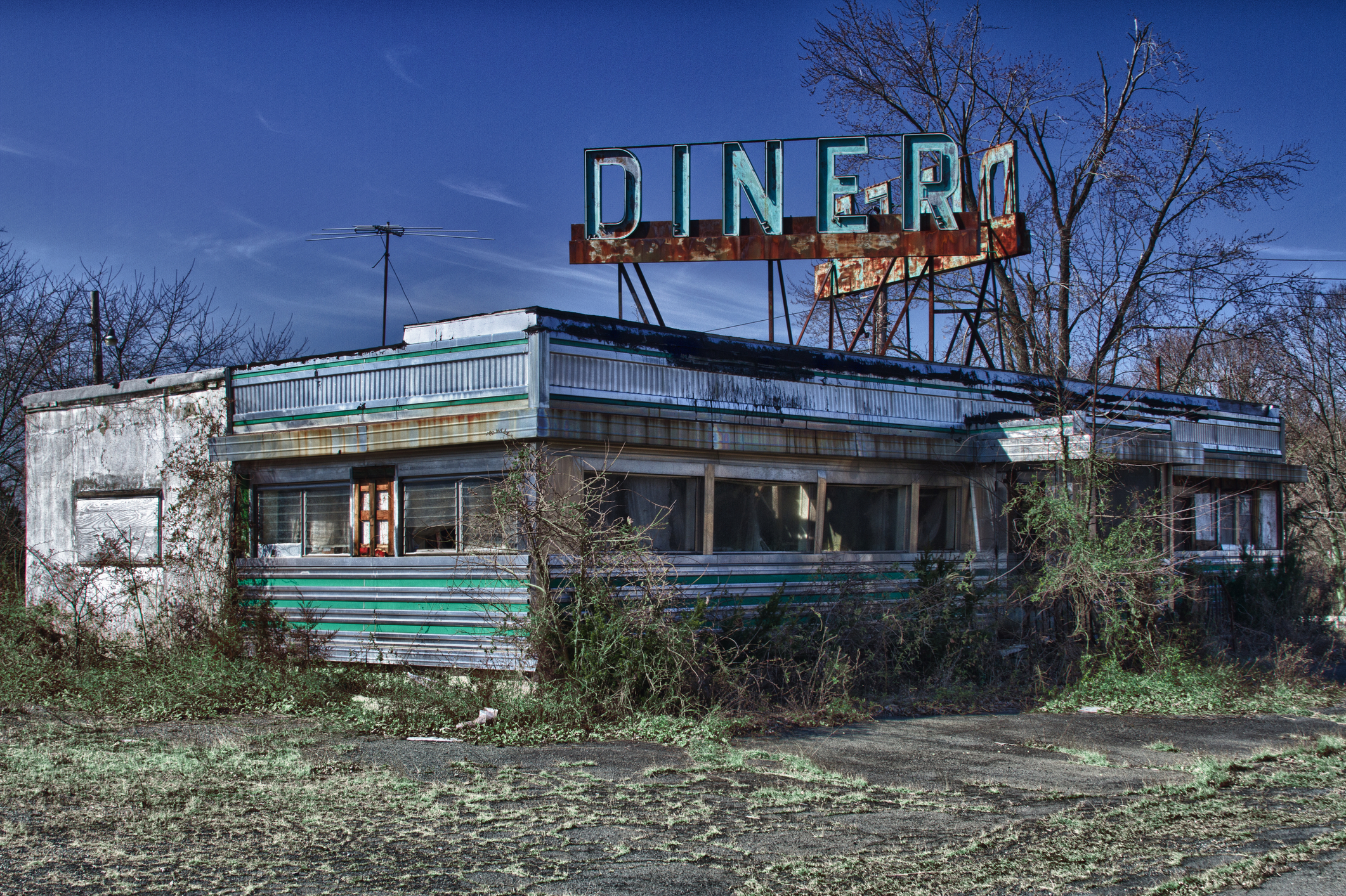
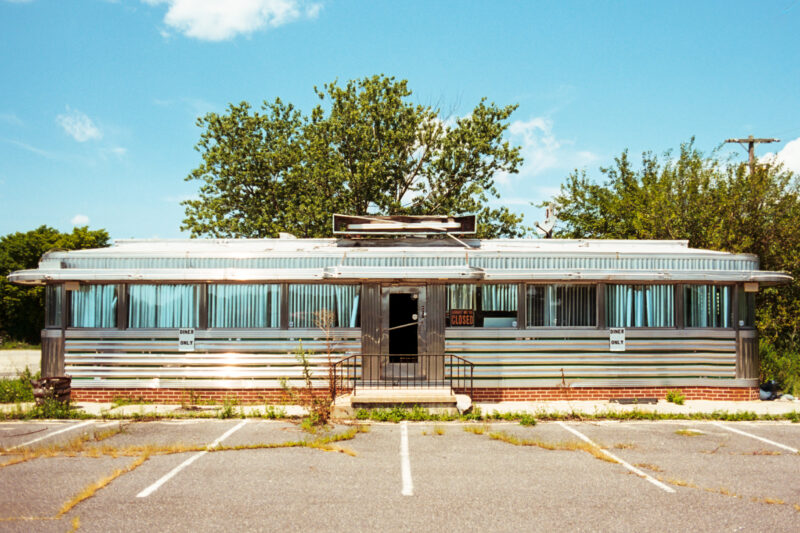
New Jersey has more diners per capita than any other state, a distinction that has shaped its identity for decades. From stainless steel roadside landmarks to 24-hour neighborhood staples, diners have long served as both cultural touchstones and economic anchors in local communities.
But that footprint has been steadily shrinking.
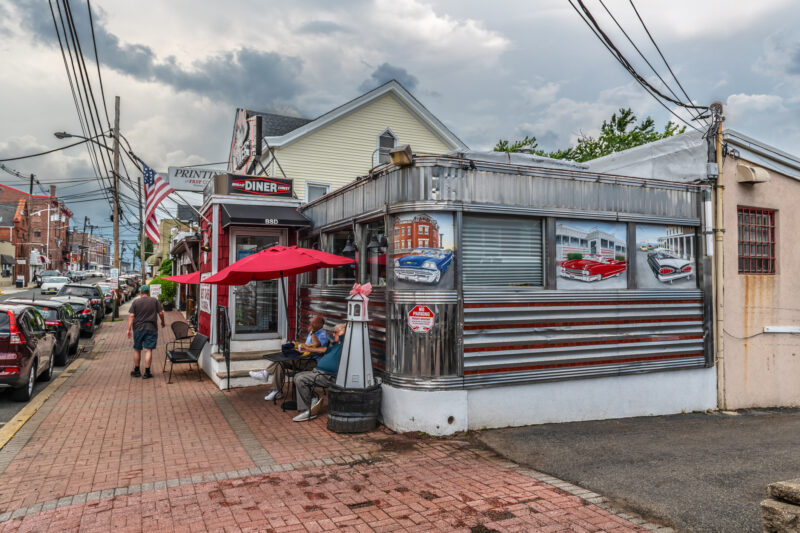
In recent years, a wave of closures has affected both small-town diners and high-profile establishments. Industry observers point to a combination of rising food and labor costs, increasing property values, and redevelopment pressure that often makes selling land more profitable than continuing operations.
Changing consumer habits have also played a role. The traditional diner model—large menus, late-night hours, and extensive staffing—has become harder to sustain as customers shift toward delivery, fast-casual dining, and more specialized restaurants.
—
Key Points
• Bill S2165 would eliminate sales tax for historic diners and restaurants for one year
• Eligible businesses could claim up to $25,000 annually in ingredient tax credits
• New Jersey still leads the nation in diners per capita but has seen steady closures
—
Why diners are closing
Operators face a narrowing margin between costs and revenue. Food prices have fluctuated sharply in recent years, while wages and staffing shortages have made it harder to maintain the round-the-clock service many diners are known for.
Real estate pressures add another layer. Many diners sit on valuable highway or suburban commercial land, making them attractive targets for redevelopment into housing, retail chains, or mixed-use projects.
Ownership transitions have also contributed to the decline. Many diners are family-run businesses passed down through generations, and younger family members are often less willing to take on the demanding hours and financial risk tied to the industry.
Preservation effort gains urgency
Supporters of the “Saving Our Diners and Preserving Our Past (SODA POP) Act” argue the bill addresses both economic survival and cultural preservation. By reducing tax burdens and promoting qualifying locations through a state registry, lawmakers hope to give legacy establishments a competitive edge.
A related version of the bill outlines how the registry would operate and how tax certifications would be issued to approved businesses.
Financial impact under review
The legislation has been certified for a fiscal note by the Office of Legislative Services, signaling that analysts are reviewing its potential cost to the state. While the tax incentives could reduce revenue, supporters argue keeping diners open preserves jobs, local spending, and tourism tied to New Jersey’s identity.
What happens next
The bill remains under consideration in the current legislative session, with multiple versions moving through committees. Lawmakers will weigh its fiscal implications alongside the broader goal of stabilizing a declining but culturally significant industry.
If approved, the program would be implemented through state tourism and tax agencies, allowing qualifying diners and restaurants to apply for inclusion and begin receiving benefits.
For now, the future of many of New Jersey’s remaining diners remains uncertain, even as lawmakers move to preserve what has long been one of the state’s most recognizable institutions.