

TRENTON, NJ – New Jersey stands at the crossroads of America’s immigration wars, caught between an aggressive new federal enforcement drive under President Donald Trump’s second administration and state-level efforts to protect immigrants and preserve community trust. The state’s experience mirrors national tensions over border security, humanitarian policy, economic labor needs, and constitutional authority — yet the local impact here is uniquely intense, given New Jersey’s vast immigrant population and political diversity.
How we got here: Biden administration’s migrant relocation policies and New Jersey’s role
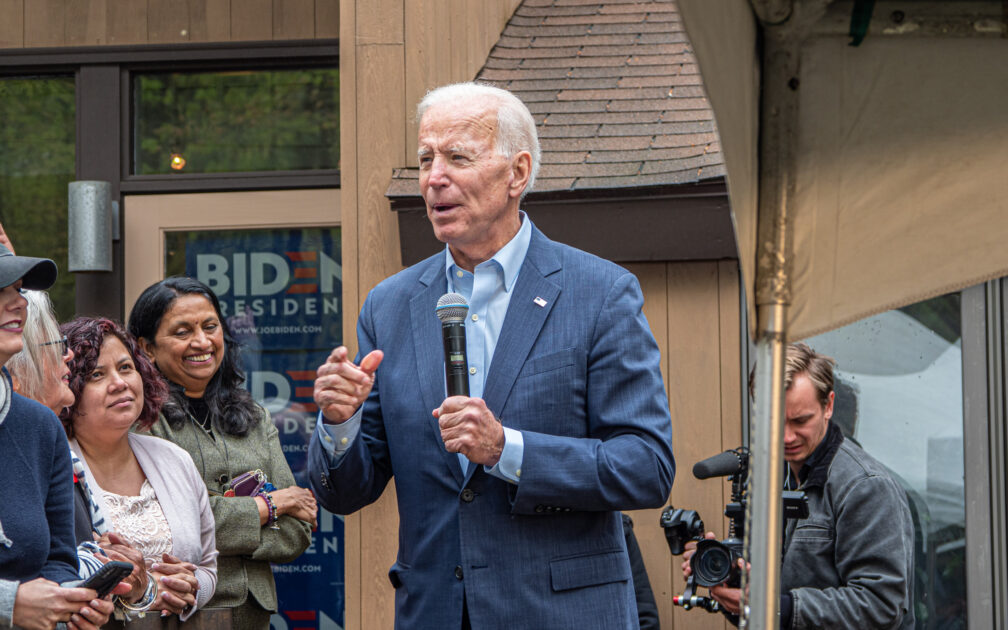
When President Biden entered office in 2021, his administration reversed many Trump-era restrictions and embraced a more humanitarian approach toward immigration. It prioritized legal immigration, reinstated DACA protections, and narrowed enforcement priorities to national security threats and serious offenders. These policy shifts, paired with global migration pressures and regional instability in Latin America, contributed to record numbers of encounters at the U.S.-Mexico border.
Overwhelmed federal facilities led to widespread relocations of migrants throughout the country, including to New Jersey.
Many arrived through federal resettlement networks or non-profit coordination rather than the alleged talking point of formal state invitation. Cities such as Newark, Elizabeth, and Paterson became destinations due to existing immigrant communities, housing stock, and established resettlement programs.
New Jersey’s Office of New Americans coordinated refugee integration efforts, focusing on case management, employment assistance, and healthcare access. While these efforts demonstrated a strong humanitarian response, they also ignited political debate over costs and local burdens.
Supporters argued that immigrant labor supports New Jersey’s economy and enriches its cultural fabric. Critics contended that unregulated inflows stretched local resources, fueling debate in the legislature and local councils.
Trump’s return and the hard-line enforcement era
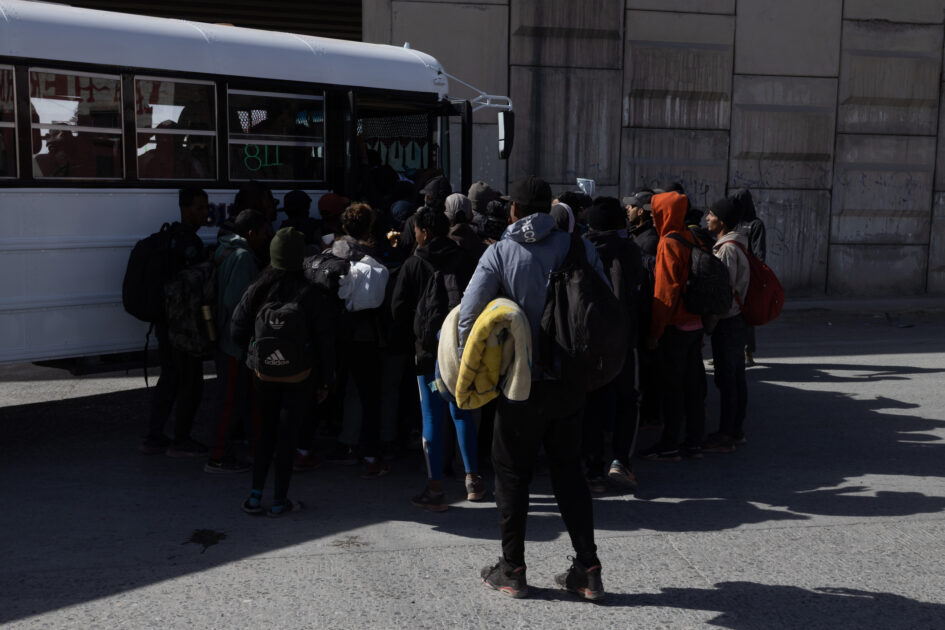
Donald Trump’s 2025 return to the White House marked a sharp reversal. Within weeks, the administration reinstated border emergency declarations, launched nationwide deportation operations, and directed federal agencies to prioritize rapid removals of undocumented immigrants.
Trump’s federal agenda called for:
- Expedited deportations of up to one million immigrants annually
- Expanded use of detention centers and ICE task forces
- Reinstatement of “zero tolerance” and interior enforcement sweeps
In New Jersey, where over 2.2 million residents are foreign-born and roughly 475,000 are undocumented, these policies hit especially hard. Reports of stepped-up enforcement spread quickly, and state leaders denounced the actions as heavy-handed.
Economists warned of significant economic fallout if large numbers of workers were deported. Immigrants comprise nearly 25% of the state’s workforce and are heavily represented in construction, agriculture, healthcare, and service industries. The loss of labor could depress productivity and shrink state revenues.
The Kanitra report: immigration costs under the microscope
In May 2024, Assemblyman Paul Kanitra (R-Monmouth) released a report claiming that undocumented immigrants cost New Jersey $7.3 billion annually. The document became a lightning rod in policy circles and is frequently cited by advocates of stricter immigration enforcement.
Key findings from the Kanitra report
- Estimated 892,000 undocumented immigrants living in New Jersey
- Total fiscal cost of $7.3 billion to state and local governments
- Equivalent to roughly $1,600 per worker or $2,100 per household
Kanitra’s findings drew heavily from data by the Federation for American Immigration Reform (FAIR), a group criticized for presenting a fiscal-only perspective that omits immigrant tax contributions and economic output.
Mainstream economists countered that immigrants collectively contribute billions in state and federal taxes, fill crucial workforce gaps, and drive small business growth. Studies from Rutgers University and the New Jersey Policy Perspective found that immigrant entrepreneurship generates over $7 billion annually in business income statewide.
While the Kanitra report shaped public debate, experts agree it represents a narrow fiscal lens rather than a full economic picture.
Mikie Sherrill’s pushback and state-level protections
Representative and later Governor Mikie Sherrill emerged as one of the state’s most visible defenders of immigrant rights amid the federal crackdown. In early 2026, Sherrill signed executive orders curtailing federal enforcement powers within the state’s jurisdiction.
Her directives included:
- Prohibiting ICE from using state property without a judicial warrant
- Restricting data sharing between state agencies and federal immigration authorities
- Launching an online portal for residents to report ICE activity for oversight and transparency
Supporters called the move a bold defense of constitutional protections, while critics labeled it obstructionist. Immigrant advocates expressed mixed reactions — praising the spirit of resistance but questioning whether the reporting portal could meaningfully curb federal overreach.
Sherrill also reignited debate over the state’s Immigrant Trust Directive, signaling support for codifying it into law to make it less vulnerable to future rollbacks.
The Immigrant Trust Directive and ongoing legislative battles

First issued in 2018 by then–Attorney General Gurbir Grewal, the Immigrant Trust Directive prohibits New Jersey law enforcement from enforcing federal immigration laws or detaining individuals solely on immigration status. It aims to foster cooperation between police and immigrant communities, encouraging victims and witnesses to report crimes without fear of deportation.
Governor Phil Murphy maintained the directive and declared New Jersey a sanctuary state, sparking opposition from conservative leaders and some municipal governments.
Efforts to transform the directive into a formal statute — the proposed “Immigrant Trust Act” — stalled in the state legislature as political divisions deepened. Supporters argued codification would provide long-term protection, while opponents warned it would invite constitutional conflict with federal supremacy in immigration law.
If enacted, the bill would strengthen privacy safeguards and limit data sharing with ICE. However, legal experts predict it would almost certainly face court challenges.
Escalating ICE activity and local political clashes
By mid-2025, New Jersey became a flashpoint for federal enforcement activity. ICE raids increased in frequency, particularly in northern counties. These actions provoked widespread protests from residents, advocacy groups, and elected officials.
A dramatic confrontation unfolded at Newark’s Delaney Hall immigration detention center, where local officials, including Newark Mayor Ras Baraka and Congresswoman LaMonica McIver, joined demonstrations against ICE operations. Both were arrested along with other protesters, though Baraka’s charges were later dropped. McIver continued to face allegations of interference with federal officers.
The episode drew national attention, illustrating the widening gap between federal and state authorities. Supporters of the enforcement effort cited the need to uphold immigration law, while opponents accused the administration of criminalizing humanitarian and political dissent.
The LaMonica McIver controversy

Representative LaMonica McIver’s arrest became a defining moment in New Jersey’s immigration standoff. To her critics, McIver’s actions symbolized defiance of lawful federal authority. To supporters, she represented moral resistance against policies perceived as unjust.
McIver’s case remains a rallying point for progressive lawmakers seeking to protect undocumented residents and challenge federal overreach. Her legal proceedings could also test the limits of state resistance under the Constitution’s Supremacy Clause, which grants federal law primacy in immigration matters.
Economic dimensions: immigration’s impact on New Jersey’s workforce
Beyond politics, immigration remains a pillar of New Jersey’s economy. Roughly one in four workers in the state is foreign-born, and immigrant households contribute an estimated $27 billion in taxes annually. They dominate key labor sectors, from logistics to hospitality, and drive much of the state’s population growth.
Economic strengths attributed to immigrants
- Fill essential roles in health care, agriculture, construction, and education
- Boost entrepreneurship, particularly in small retail and service businesses
- Contribute significantly to property taxes and local consumer spending
Analysts warn that large-scale deportations could severely disrupt these sectors. With unemployment at historic lows and labor shortages persisting, employers say immigrant workers are indispensable to sustaining productivity.
While fiscal concerns dominate political rhetoric, the broader economic consensus affirms that New Jersey’s prosperity is closely tied to its immigrant communities.
Legal and constitutional tension: the federal–state divide
The collision between Trump’s enforcement directives and New Jersey’s sanctuary policies raises fundamental constitutional questions about state sovereignty and federal supremacy.
Under federal law, immigration enforcement is a national responsibility. However, states retain authority over policing and detention decisions. This creates a gray zone where sanctuary jurisdictions like New Jersey resist cooperation with federal immigration agents without directly obstructing enforcement.
Legal experts predict more litigation ahead. Cases are expected to test whether executive actions by state leaders — such as limiting ICE access — unlawfully impede federal operations. At the same time, advocates are preparing constitutional defenses rooted in states’ rights, community policing, and the Tenth Amendment’s anti-commandeering doctrine.
Political consequences and voter sentiment
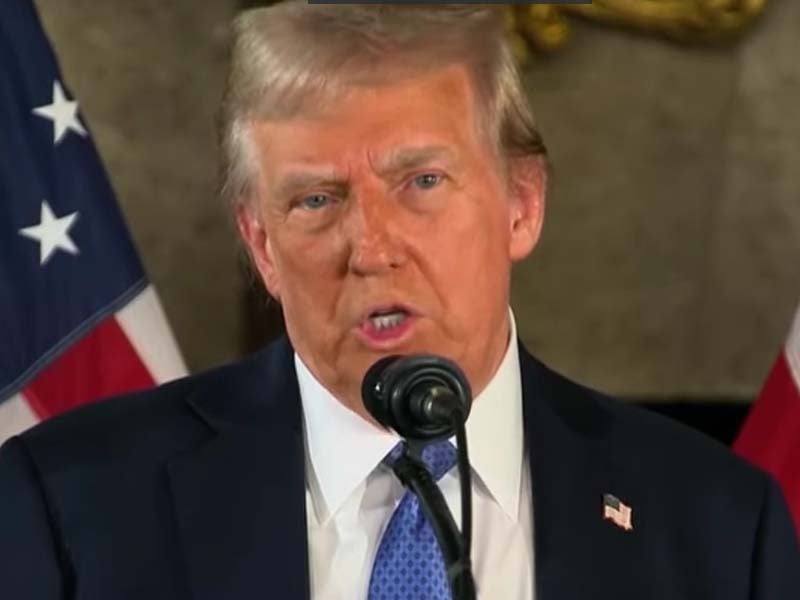
Immigration remains one of New Jersey’s most divisive political issues. Public opinion surveys show that while a majority of residents support a pathway to citizenship for long-term undocumented immigrants, voters are split over sanctuary policies.
Republicans have framed the issue around law enforcement, security, and fiscal costs. Democrats emphasize fairness, labor contributions, and human rights. With national elections approaching, immigration may prove decisive in competitive congressional and legislative districts across the state.
Grassroots movements — both pro-immigrant and enforcement-focused — have expanded rapidly. Community groups organize legal aid, know-your-rights workshops, and rallies, while conservative coalitions push for cooperation with ICE and tighter border controls.
Future outlook: what lies ahead for New Jersey
The coming years will determine how far state leaders can resist or adapt to federal enforcement directives. Much depends on how aggressively the Trump administration pursues interior deportations and whether courts uphold or strike down state protective measures.
Key dynamics shaping New Jersey’s immigration future
- Federal-state legal tension: Potential lawsuits over sanctuary policies and state executive orders
- Economic balance: Competing narratives over immigrants’ fiscal cost versus economic value
- Legislative action: Renewed efforts to codify protections through the Immigrant Trust Act
- Community resilience: Expanded legal defense networks and advocacy organizations preparing for heightened enforcement
- Judicial review: Anticipated court rulings defining the boundaries of federal power versus state autonomy
In the near term, expect continued ICE operations, intensified rhetoric from both sides, and legal challenges that could reach the federal appellate courts.
Summary: a state divided, a nation watching
New Jersey’s immigration story is a microcosm of America’s broader struggle over identity, law, and belonging. The clash between Washington’s enforcement machinery and Trenton’s sanctuary policies encapsulates a national divide over who belongs, who decides, and how far states can go in defending their residents.
As legal battles mount and the human toll grows more visible, New Jersey’s leaders — from Mikie Sherrill to LaMonica McIver — find themselves navigating between federal authority and moral conviction. The state’s immigrant population, millions strong, remains at the heart of that conflict — vital to the economy, central to the culture, and emblematic of the challenges facing a divided nation.