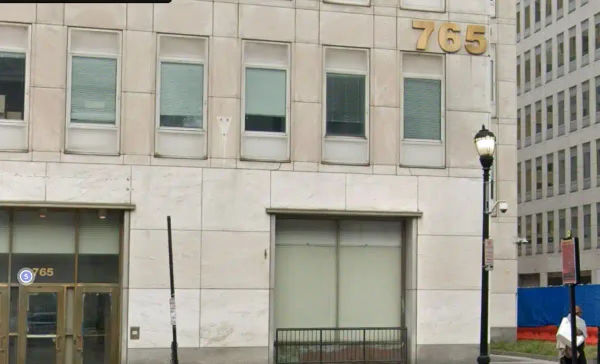
Judge rejects Englewood plaintiff’s bid for recusal in federal lawsuit
Newark, NJ – A federal judge has denied a motion by a pro se litigant seeking the judge’s recusal in a civil rights case against the City of Englewood, ruling that the plaintiff failed to show bias or partiality.
U.S. District Judge John K. Semper issued the opinion on September 11, rejecting Bradley Talmadge Livingston’s motion. Livingston, a frequent filer in New Jersey federal court, has sought to remove multiple judges in his cases, including an earlier failed attempt to disqualify Magistrate Judge Stacey Adams.
Livingston’s lawsuit accuses Englewood police of failing to enforce federal immigration laws against his ex-wife. The court dismissed his original complaint in January but allowed him to amend it the same day. Alongside the amended filing, he moved for Judge Semper’s recusal.
In his decision, Judge Semper cited the high standard required under federal law. Recusal is warranted if a judge demonstrates actual bias under 28 U.S.C. § 144, or if a reasonable person could question the judge’s impartiality under 28 U.S.C. § 455(a). Courts, however, require more than a litigant’s dissatisfaction with rulings to justify disqualification.
Finding no evidence of personal prejudice or circumstances that would reasonably call impartiality into question, Judge Semper denied the motion.
The case remains pending on Livingston’s amended claims.
Key Points
- Plaintiff Bradley Livingston sought to disqualify Judge John K. Semper from his case against Englewood.
- The court ruled that Livingston failed to show bias or grounds for recusal under federal law.
- Livingston has filed multiple recusal motions in other cases in the District of New Jersey.
The ruling keeps Judge Semper on the case as litigation over Livingston’s grievances with Englewood police continues.
Newark, NJ – A federal judge has denied a motion by a pro se litigant seeking the judge’s recusal in a civil rights case against the City of Englewood, ruling that the plaintiff failed to show bias or partiality.
U.S. District Judge John K. Semper issued the opinion on September 11, rejecting Bradley Talmadge Livingston’s motion. Livingston, a frequent filer in New Jersey federal court, has sought to remove multiple judges in his cases, including an earlier failed attempt to disqualify Magistrate Judge Stacey Adams.
Livingston’s lawsuit accuses Englewood police of failing to enforce federal immigration laws against his ex-wife. The court dismissed his original complaint in January but allowed him to amend it the same day. Alongside the amended filing, he moved for Judge Semper’s recusal.
In his decision, Judge Semper cited the high standard required under federal law. Recusal is warranted if a judge demonstrates actual bias under 28 U.S.C. § 144, or if a reasonable person could question the judge’s impartiality under 28 U.S.C. § 455(a). Courts, however, require more than a litigant’s dissatisfaction with rulings to justify disqualification.
Finding no evidence of personal prejudice or circumstances that would reasonably call impartiality into question, Judge Semper denied the motion.
The case remains pending on Livingston’s amended claims.
Key Points
- Plaintiff Bradley Livingston sought to disqualify Judge John K. Semper from his case against Englewood.
- The court ruled that Livingston failed to show bias or grounds for recusal under federal law.
- Livingston has filed multiple recusal motions in other cases in the District of New Jersey.
The ruling keeps Judge Semper on the case as litigation over Livingston’s grievances with Englewood police continues.