
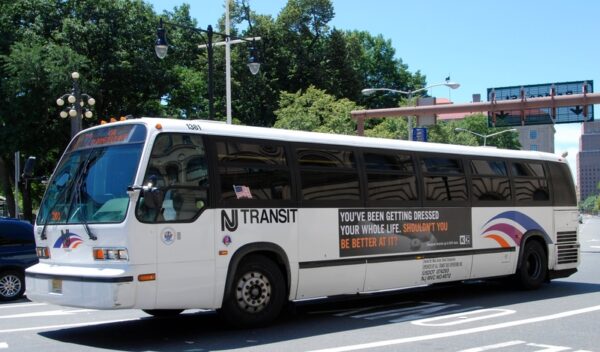
TRENTON, NJ — New Jersey lawmakers are advancing a sweeping plan that would require all motorbuses purchased for public transportation in the state to be electric-powered by 2035 — backed by $82 million in annual funding and a detailed, statewide transition strategy.
Assembly Bill No. 4164, introduced by Assemblyman Clinton Calabrese (D-36) and Assemblywoman Garnet R. Hall (D-28), mandates that starting in fiscal year 2031, at least 25% of all new buses purchased for public motorbus route service be electric. By fiscal year 2036, 100% of new public transit buses must be zero-emission electric vehicles.
The legislation targets agencies such as NJ Transit and county transportation providers, setting strict deadlines and requiring detailed reporting and infrastructure readiness as early as next year.
Starting in the first state fiscal year after the law takes effect, public entities will be required to begin driver and maintenance staff training, retrofit garages, and determine technical specifications for electric buses. A comprehensive progress report is due to the Governor and Legislature by March 1, 2025, outlining readiness and a cost-benefit analysis of the transition.
The initiative is expected to sunset New Jersey Transit’s current diesel-to-lower-emission bus requirements by 2030, shifting entirely to full electrification of the motorbus fleet beginning in 2031.
To fund the transition, the bill appropriates $82 million annually through 2035. Funding would come from two sources: the societal benefits charge paid by utility customers and revenues from the sale of carbon emission allowances under the Transportation and Climate Initiative Program. These funds will be distributed equitably among public bus operators across the state.
Supporters say the bill aligns with broader climate goals and reduces long-term operating and health costs by cutting emissions across urban and suburban transit networks. Opponents have raised concerns about cost, infrastructure readiness, and whether current electric bus technology can handle statewide transportation demands.
If enacted, the law would take effect immediately.
——
Key Points
- New bill mandates all new public transit buses in New Jersey be electric by 2035
- Starting in FY 2031, 25% of new motorbuses must be electric, reaching 100% by FY 2036
- Bill allocates $82 million annually through 2035 to fund transition and fleet upgrades
New Jersey sets ambitious electric bus deadline backed by millions in dedicated funding.