
You can change the name of the county position from Freeholder to Commissioner, but changing the name doesn’t change New Jersey’s ugly past as the last state in the Union to officially abolish slavery. Last year, Governor Phil Murphy officially changed the title of County Freeholder to County Commissioner.
When it comes to civil rights and black history, New Jersey has perhaps the darkest black history among all Union and northern states during the Civil War.
The term freeholder was borne in New Jersey. No other state in the country used the term at the time of the name change in 2020. In the beginning, Freeholders were white males who owned land and were debt-free. It was only those white males who can serve on the many New Jersey county “Board of Freeholders”.
The Freeholders were the wealthy white men who made all the decisions for the common people of New Jersey. The name freeholder had slave connations and for a good reason. While most of the northern states abolished slavery between 1774 and 1804, New Jersey did not free its slaves, which were then called indentured servants, until the end of the Civil War.
After the Revolutionary war, there were 11,423 slaves noted in 1780. That number increased to over 14,000 in the 1890 census.
While New Jersey banned the importation of slaves in 1788, it also barred freemen, freed former slaves from other states from resettling in New Jersey. Many New Jersey slave overs voluntarily freed their slaves during this period, but the law in New Jersey did not require it.
In 1804, New Jersey was the last state in the north to pass laws to abolish slavery, but it wasn’t immediate. The 1804 New Jersey law declared that children of slaves would be free citizens. Instead, those children would have to serve lengthy “apprenticeships” under their parents and their parents’ slave owners. The female children of slaves in New Jersey were granted their personal freedom at the age of 21 and the male children were granted their freedom at the age of 25. Their parents however remained, “indentured servants”.
In 1830, 3,568 black Americans in northern states remained enslaved. Two-thirds of them were in New Jersey.
If a New Jersey slave owner did not want to free his slaves, the New Jersey legislature allowed them to “sell their human property” in southern slave states.
When the Thirteenth Amendment to the constitution was passed in 1865, the last remaining 16 slaves in New Jersey were finally granted their freedom.
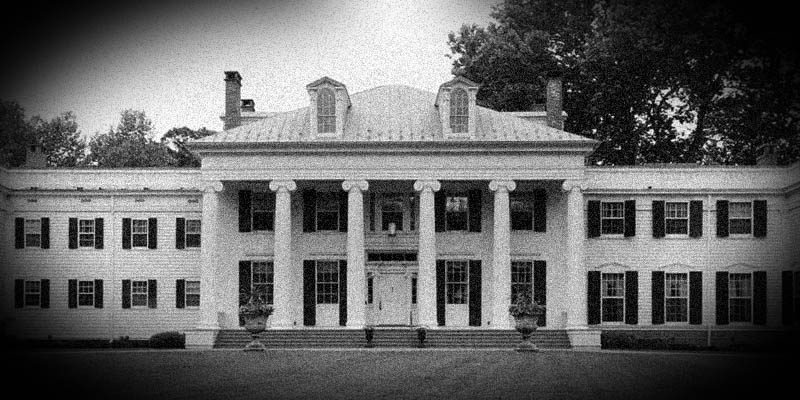
Today, the governor of New Jersey and his family live in one of the largest of the state’s existing slave plantation homes, Drumthwacket. Drumthwacket was built in 1759 by a wealthy lawyer and slave owner, Richard Stockton.
In 2008, the State of New Jersey formally apologized for arriving extremely late to the slavery abolition party.
The Legislature of the State of New Jersey expresses its profound regret for the State’s role in slavery and apologizes for the wrongs inflicted by slavery and its after effects in the United States of America; expresses its deepest sympathies and solemn regrets to those who were enslaved and the descendants of those slaves, who were deprived of life, human dignity, and the constitutional protections accorded all citizens of the United States; and we encourage all citizens to remember and teach their children about the history of slavery, Jim Crow laws, and modern day slavery, to ensure that these tragedies will neither be forgotten nor repeated.