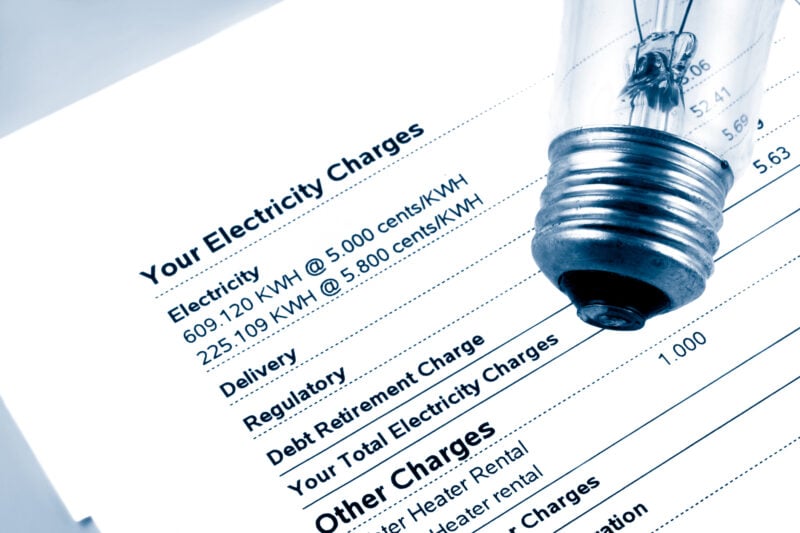
TRENTON, N.J. — New Jersey lawmakers introduced legislation that would require the Governor’s annual budget message to publicly detail how billions collected through utility “societal benefits charges” are spent, including funding tied to clean energy programs, electric vehicle incentives, and low-income energy assistance.
Senate Bill 747, sponsored by Sens. John J. Burzichelli and Michael L. Testa Jr., would mandate yearly reporting on revenues and expenditures connected to the surcharge embedded in electric and natural gas customer bills across the state. Supporters say the measure aims to increase transparency around one of New Jersey’s most significant utility-related funding streams.
The proposal was pre-filed for introduction in the 2026 legislative session and would first apply to the fiscal year beginning July 1, 2026.
Utility Surcharge Funds Multiple State Programs
The societal benefits charge, established under New Jersey law in 1999, appears on electricity and natural gas bills and supports a wide range of programs overseen by the New Jersey Board of Public Utilities.
According to the bill text, the required report would include financial information covering the five most recently completed fiscal years and the current fiscal year. Lawmakers want the state budget to disclose:
- Total revenues collected through the societal benefits charge
- Spending tied to energy efficiency and renewable energy programs
- Allocations supporting the Universal Services Fund
- Electric vehicle incentive spending
- Revenue retained by individual electric and gas utilities
The legislation would also require itemized reporting on funds committed for expenditure versus funds already spent.
Electric Vehicle and Energy Assistance Spending Would Face New Scrutiny
One major focus of the bill involves disclosure of spending connected to New Jersey’s clean energy transition programs.
The measure specifically targets reporting on expenditures tied to the Plug-in Electric Vehicle Incentive Fund, including programs supporting light-duty electric vehicle incentives. It would also require detailed accounting for renewable energy programs, distributed energy resources, planning costs, and administrative spending managed by the Board of Public Utilities.
The legislation additionally calls for greater visibility into programs funded through the Universal Services Fund, including New Jersey’s Lifeline Credit Program and Tenants’ Lifeline Assistance Program, both designed to help qualifying residents manage utility costs.
Key Points
• New Jersey Senate Bill 747 would require annual public reporting on societal benefits charge revenues and spending
• The utility surcharge funds energy assistance, clean energy, renewable energy, and EV incentive programs
• Reports would include five years of financial data and utility-specific revenue information
Lawmakers Push for Greater Transparency
The societal benefits charge finances several major state energy initiatives, but current law does not require a single comprehensive report detailing how the money is collected and distributed each year.
Under the proposal, the Governor’s annual budget message would have to provide detailed breakdowns showing how much money was allocated, committed, and ultimately expended across multiple categories.
The bill also highlights differences among utility providers. Current law allows electric and gas utilities to operate under varying approved rates for different components of the societal benefits charge. Senate Bill 747 would require disclosure of how much revenue each utility retains from those charges.
The New Jersey Board of Public Utilities would assist the Governor in preparing the annual report under the legislation.
Consumer Bills Continue to Draw Attention
Utility affordability and transparency have become increasingly sensitive issues in New Jersey as residents face rising energy costs alongside state investments in clean energy infrastructure and electrification initiatives.
The societal benefits charge supports programs including:
- Energy efficiency upgrades
- Renewable energy initiatives
- Consumer energy education
- Nuclear plant decommissioning
- Manufactured gas plant remediation
- Utility assistance programs for low-income households
The bill’s statement says the legislation is intended to provide “greater transparency” regarding both the revenues generated through the charge and how those funds are allocated and spent.
What Happens Next
Senate Bill 747 has been introduced pending technical review and awaits further consideration in the New Jersey Legislature.
If approved, the law would take effect immediately and apply beginning with the fiscal year starting July 1, 2026. Future state budget messages would then include annual reporting requirements tied to the societal benefits charge and related energy program spending.
New Jersey Legislature, Utility Bills, Clean Energy Programs
Alternative Headlines
- NJ Bill Would Expose How Utility Surcharges Fund EV Programs and Energy Assistance
- New Jersey Lawmakers Push for Public Accounting of Utility Fee Spending in State Budget
- NJ Senate Bill Targets Transparency for Charges Hidden in Electric and Gas Bills
- New Jersey Could Require Detailed Reports on Billions Collected Through Utility Fees
- Lawmakers Want New Jersey to Reveal Where Utility Surcharge Money Actually Goes
You might also like














You might also like