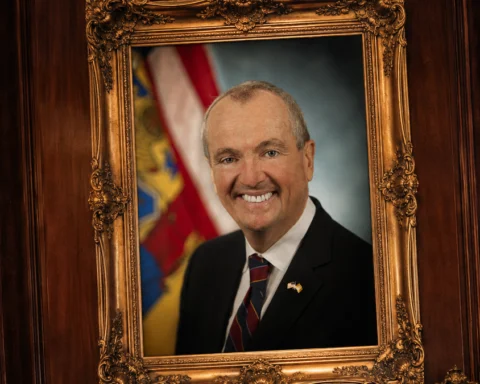
TRENTON, NJ – This week, New Jersey governor hopefuls Jack Ciattarelli and Mikie Sherrill are sparring over their plans to get New Jersey out of its energy deficit crisis. While Mikie Sherrill is campaigning for more of the same green renewable solutions such as offshore wind and solar, Jack Ciattarelli is pushing for a return to clean and reliable natural gas and nuclear power plants.
This week, Sherrill conceded that offshore wind and solar energy is more expensive to produce than nuclear and natural gas driven plants, but said the environmental costs and high prices are worth it, and “good people” will accept the financial drawbacks.
New Jersey’s energy grid is facing a crunch as shuttered power plants remain permanently offline and major renewable projects collapse, leaving the state scrambling to balance demand with ambitious clean energy goals.
Unlike other states that keep retired fossil fuel plants on standby for emergencies, New Jersey dismantled all of its closed plants.
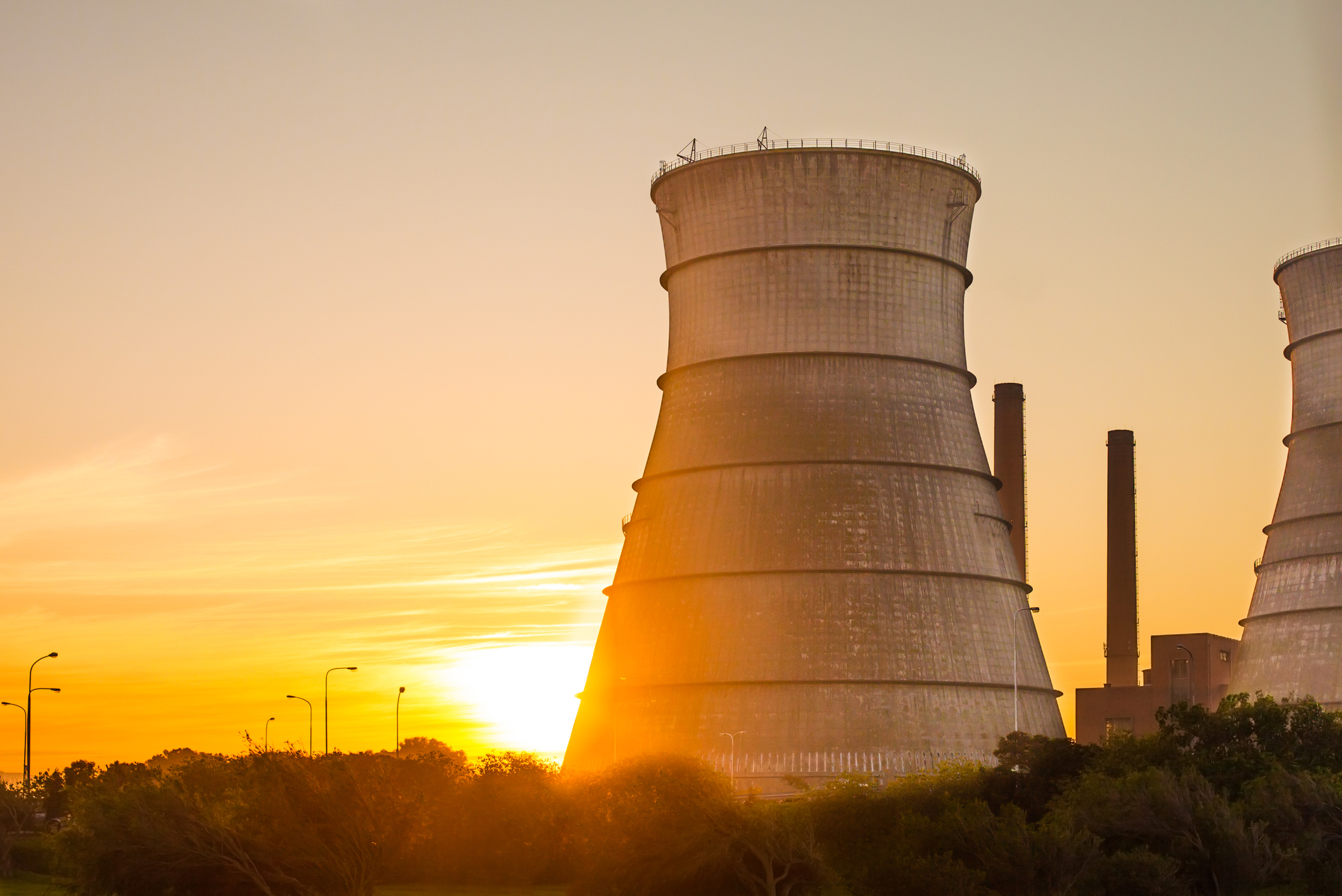
New Jersey has no idle facilities that can be quickly restarted. Most have been demolished, dismantled, or permanently retired under state energy policy. The Logan coal-fired plant in Logan Township, the B.L. England plant in Upper Township, and the Chambers Cogeneration plant in Carneys Point are among the sites that have been torn down or slated for redevelopment into battery storage facilities. PSEG also decommissioned several natural gas stations in 2022, including the Essex Generating Station in Newark and the Newark Bay Cogen. The state’s last nuclear plant, Oyster Creek, was shut down in 2018 and cannot be restarted.
State Democrat lawmakers moved further in February 2024, when the legislature considered a constitutional amendment to phase out fossil fuel facilities and prevent the reactivation of retired plants. Instead, New Jersey is steering policy toward large-scale energy storage and renewable sources. The state has set a mandate for 2,000 megawatts (MW) of storage by 2030, a capacity aimed at enabling the retirement of all 15 of New Jersey’s remaining power plants, which could plunge the state deeper into an energy crisis.
Ciattarelli has said he will reverse New Jersey Governor Phil Murphy’s reckless green energy agenda and return to reliable power sources, saving those plants from the chopping block.
Mikie Sherrill has been clear about her energy agenda. It will be similar to Phil Murphy, continuing with the 2050 schedule to decommission all fossil fuel plants in favor of offshore wind and solar power.
In the short term, newer high-efficiency combined-cycle natural gas plants continue to carry much of the load. These units, built during the wave of affordable natural gas investment beginning in 2008, replaced older coal facilities and now make up the state’s primary baseload supply.
But the state’s bigger challenge is matching the lost output from closed plants with its renewable commitments. New Jersey has lost roughly 1,214 MW in recent years from the retirement of coal plants and the closure of the 619 MW Oyster Creek nuclear station. That figure is dwarfed by the 3,758 MW lost from offshore wind projects canceled in the past two years, which would have replaced the loss, but at a significantly higher cost to deliver.
Ørsted scrapped its Ocean Wind 1 and 2 projects in 2023, cutting 2,200 MW from the state’s plans. In mid-2025, Atlantic Shores canceled its 1,510 MW contract, citing rising costs, permitting delays, and shifting federal policies. Together, the cancellations erased more than triple the generating capacity lost from fossil and nuclear retirements.
Despite these setbacks, New Jersey continues to pursue its clean energy agenda. In January 2024, regulators awarded new contracts to Leading Light Wind (2,400 MW) and Attentive Energy Two (1,342 MW), both of which remain on track. The state also expanded community solar in August 2025, adding another 3,000 MW mandate by October to bolster distributed generation. Existing solar projects already total more than 5,000 MW across residential, commercial, and community systems.
In order to use solar to replace the current deficit, it is estimated that 18 square miles of solar panels would need to be constructed in one of America’s smallest states, with the highest population density.
Looking ahead, the state maintains its targets of 11,000 MW of offshore wind by 2040 and a 100% clean energy grid by 2035, even as delays, cancellations, and financing challenges continue to mount. Some policymakers have floated new nuclear development, including small modular reactors, though no projects have been approved. Jack Ciattarelli also said that would be a strategy he would support.
With old plants gone for good, New Jersey’s energy path depends on building enough renewable and storage capacity to cover both the state’s existing demand and the gap left by abandoned offshore wind projects.
Until more power sources come online, expect your electric bills to keep climbing. How much depends on who you vote for in November, political pundits say.
Key Points
- New Jersey has lost about 1,214 MW from closed coal and nuclear plants, all permanently retired.
- Offshore wind cancellations since 2023 total 3,758 MW, more than triple the capacity lost from older plants.
- The state is pressing ahead with new wind, solar, and storage projects to meet its 100% clean energy by 2035 goal.
For now, New Jersey’s future power supply rests on projects still in the pipeline, not the plants already gone.