
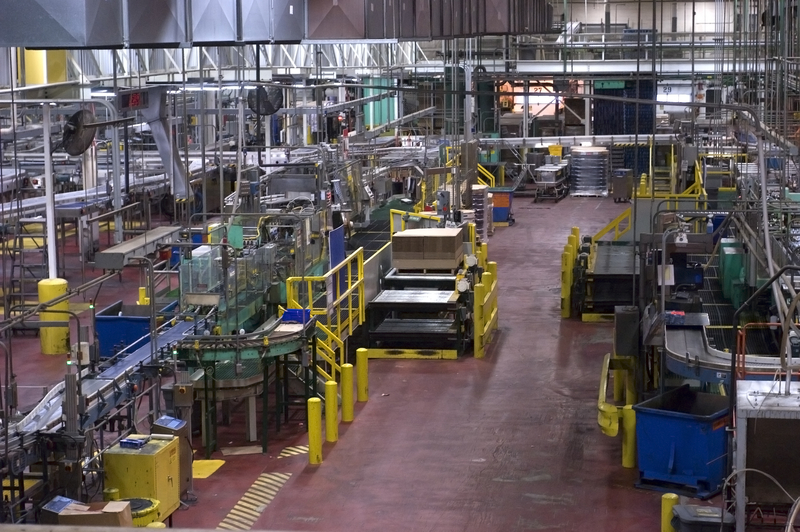
TRENTON, NJ – The DEP’s push to limit industrial operations in urban centers, to push them out to more rural communities stands.
The New Jersey Appellate Division has upheld the state Department of Environmental Protection’s (DEP) sweeping “Environmental Justice Rules,” rejecting challenges from industry groups that argued the regulations overstep state authority and impose burdensome new requirements on certain businesses.
In a decision issued January 5 and approved for publication, a three-judge panel affirmed the DEP’s adoption of the rules, codified under N.J.A.C. 7:1C et seq., which were finalized in April 2023 to implement the state’s groundbreaking 2020 Environmental Justice Law.
The rules require companies seeking new or expanded permits for industrial facilities in designated overburdened communities to evaluate and mitigate the potential for disproportionate environmental and public health impacts.
The appeals were filed separately by the New Jersey Chapter of the Institute of Scrap Recycling Industries and the Engineers Labor Employer Cooperative of Operating Engineers Local 825. Both argued that the DEP exceeded its statutory authority and that the rulemaking process lacked sufficient clarity and predictability for regulated industries.
Representing the state, Deputy Attorney General Kristina L. Miles defended the DEP’s rulemaking, asserting that the agency acted squarely within the authority granted by the Legislature to protect vulnerable communities from cumulative pollution impacts. Several environmental organizations, including the Ironbound Community Corporation, South Ward Environmental Alliance, and New Jersey Environmental Justice Alliance, participated as amici curiae in support of the DEP.
In their unanimous opinion, Judges Currier, Berdote Byrne, and Jablonski concluded that the rules were consistent with legislative intent and supported by extensive administrative record. The panel found no procedural defects and determined that the DEP properly balanced environmental protections with economic and operational considerations raised during the rulemaking process.
The ruling marks a major victory for environmental advocates who view New Jersey’s policy as one of the most progressive in the nation, while industry groups warned that compliance will significantly reshape permitting standards for manufacturing, energy, and recycling operations statewide.