Trenton, NJ — New Jersey Gov. Mikie Sherrill and top Democratic lawmakers are backing away from a controversial plan to raise taxes and impose temporary surcharges during the 2026 FIFA World Cup after weeks of political backlash and growing resistance inside their own party.
The proposal, designed to help offset an estimated $300 million in public safety and logistical costs tied to the tournament at MetLife Stadium in East Rutherford, would have temporarily increased sales taxes in the Meadowlands district while adding hotel, ride-share, and sports betting surcharges across parts of the state. But with lawmakers divided and support collapsing ahead of the legislative deadline, Sherrill acknowledged the broad package is unlikely to move forward.
Instead, the administration is pivoting toward tourism and local business initiatives tied to the World Cup, including state-sponsored fan zones and reduced transit pricing aimed at attracting visitors without imposing new costs on residents and businesses.
Political Blowback Forced a Shift
The original plan, backed by Democratic legislative leaders including Senate Budget Chair Paul Sarlo, proposed a temporary 3% increase on taxable purchases in the Meadowlands district during the tournament. That would have raised the combined sales tax rate in the area to 9.625%.
Lawmakers also floated a 2.5% hotel occupancy surcharge in most New Jersey counties outside shore destinations, a 50-cent fee on Uber and Lyft rides tied to the Meadowlands area, and a 10% tax on World Cup-related corporate sports betting revenue.
Supporters argued the fees would primarily affect tourists attending the global soccer event while helping the state recover massive security and infrastructure costs associated with hosting matches.
But the proposal quickly became politically toxic.
Republicans attacked the plan as a tax increase during a period of already high living costs, while several Democrats privately raised concerns about voter backlash. U.S. Rep. Josh Gottheimer publicly opposed the proposal, warning it could hurt New Jersey families and businesses.
Governor Sherrill later signaled the legislation lacked enough support to pass.
Key Points
• New Jersey leaders are backing away from proposed World Cup-related tax hikes and surcharges
• The plan included higher sales taxes, hotel fees, ride-share charges, and gambling surcharges
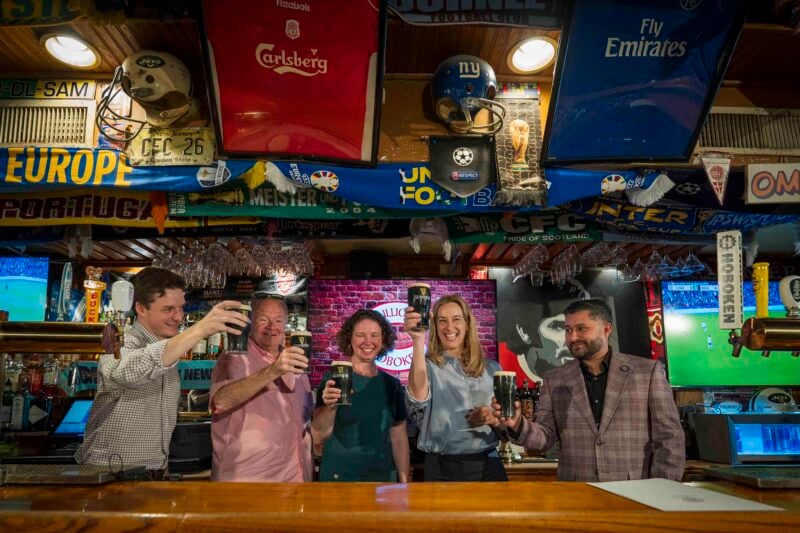
• Gov. Mikie Sherrill is instead promoting fan zones, lower train fares, and extended bar hours
Focus Turns to Tourism and Local Revenue
With the tax package stalling, the Sherrill administration is now emphasizing economic activity tied to the 2026 World Cup rather than new temporary taxes.
State officials said New Jersey plans to create fan zones and community events across multiple regions to encourage tourism spending at local restaurants, bars, hotels, and retail businesses during the tournament.
The administration also announced reduced NJ Transit pricing tied to World Cup travel. Train fares connected to tournament service were lowered to $98 from an earlier projected cost of roughly $150, according to state officials.
Sherrill additionally issued a formal proclamation allowing municipalities to temporarily extend alcohol sales hours during the World Cup. The order gives local governments the ability to approve later closing times for bars and hospitality businesses during FIFA events.
The proclamation states that extended operating hours could help businesses capitalize on increased tourism while supporting local economic activity tied to one of the world’s largest sporting events.
A copy of the proclamation released by the governor’s office highlighted the state’s expectation that millions of visitors could travel through New Jersey during the tournament, particularly around the Meadowlands region where MetLife Stadium will host matches.
Security Costs Still Loom Over State Planning
Despite the rollback on taxes, New Jersey still faces major financial obligations connected to hosting the World Cup.
State officials previously estimated security, transportation, emergency response, and infrastructure demands could cost hundreds of millions of dollars. MetLife Stadium is expected to host multiple FIFA World Cup matches, including the tournament final.
Lawmakers originally framed the temporary taxes and surcharges as a way to avoid placing long-term financial burdens on taxpayers while capturing revenue from tourists and event-driven spending.
The proposal also included tax credit provisions intended to reimburse New Jersey residents for some added costs. But critics argued the plan remained confusing, politically risky, and potentially harmful to businesses already struggling with inflation and operating expenses.
The debate exposed growing divisions among Democrats over how aggressively the state should pursue new revenue sources tied to major international events.
For now, state leaders appear focused on maximizing tourism spending and business activity rather than pushing through a politically divisive tax package ahead of the 2026 tournament.
The proposed temporary tax increases and surcharges have not advanced through the legislature, and Gov. Mikie Sherrill has indicated they are unlikely to move forward in their current form.