
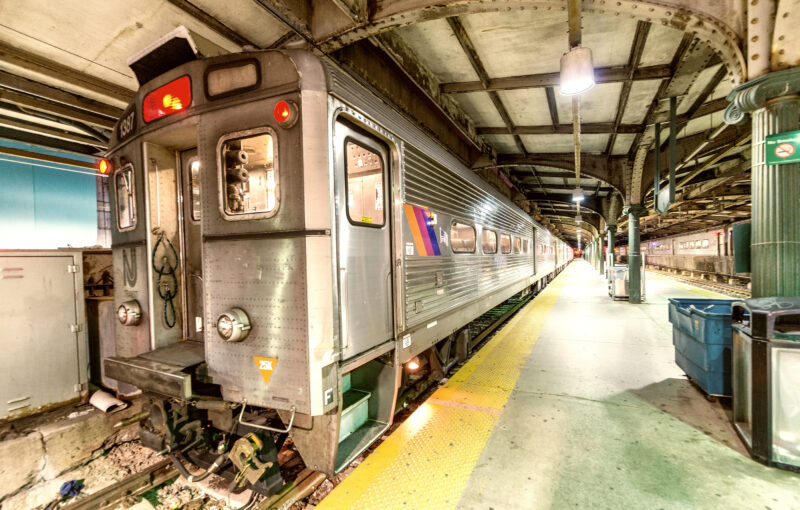
New Jersey’s preparation for the 2026 World Cup is exposing a familiar tension: major global events versus the needs of everyday residents.
According to reports, NJ Transit expects to move roughly 40,000 fans to and from MetLife Stadium for each of the eight matches. To manage that surge, the agency is planning restricted access to Penn Station—locking out regular commuters for up to four hours before games, including during evening rush hour.
That’s not a minor inconvenience. That’s a direct disruption to the daily lives of thousands of working residents.
Who is the system for?
Public transit exists to serve the public—especially the people who rely on it every single day to get to work, get home, and support their families. Temporarily converting one of the busiest transit hubs in the country into a controlled-access pipeline for ticketed eventgoers raises a serious question: who is being prioritized?
Under the reported plan, only fans with special World Cup train tickets—complete with assigned arrival windows—would be allowed into NJ Transit sections of Penn Station during those restricted periods. Regular riders would effectively be shut out.
That creates a two-tier system: one for international visitors attending a global event, and another for residents who fund and depend on the system year-round.
Economic boost vs. everyday burden
There’s no doubt the World Cup will bring economic benefits. Tourism, global attention, and regional spending are all real upsides. But those gains shouldn’t come at the expense of basic functionality for commuters.
For many workers, especially those with rigid schedules, losing access to Penn Station during peak hours isn’t just frustrating—it can mean lost wages, longer commutes, or job risk.
Major events require logistical adjustments, but shutting out regular riders during rush hour suggests a planning failure, not an inevitability.
A planning problem, not a capacity problem
Other cities hosting global events have managed to expand service, stagger demand, and create parallel systems without sidelining their core riders.
If NJ Transit needs to move 40,000 fans, the solution shouldn’t be displacement—it should be expansion. More trains, temporary routes, alternative hubs, and clear communication can reduce strain without excluding the people the system is built for.
Residents deserve a seat at the table
What’s missing here is transparency and public input. Decisions that affect daily commuters—especially during peak hours—should not emerge quietly through anonymous sourcing. Residents deserve clear communication, alternatives, and a voice in how these plans are implemented.
New Jersey has a chance to showcase itself on the world stage. But if that spotlight comes at the cost of its own residents’ daily lives, it sends the wrong message.
The bottom line
Hosting the World Cup is an opportunity. Displacing commuters isn’t a requirement—it’s a choice.
NJ Transit and state leaders still have time to adjust course. The goal should be simple: welcome the world without shutting out the people who call New Jersey home.