
Key Points:
- Rebecca Bennett says fixing NJ Transit is “personal” because she has experienced the system’s problems firsthand.
- Gov. Mikie Sherrill ordered NJ Transit to improve reliability and the rider experience this spring, followed by a Rapid Action Plan in May.
- Bennett is campaigning on transit improvements including the Gateway Tunnel and a one-seat ride on the Raritan Valley Line.
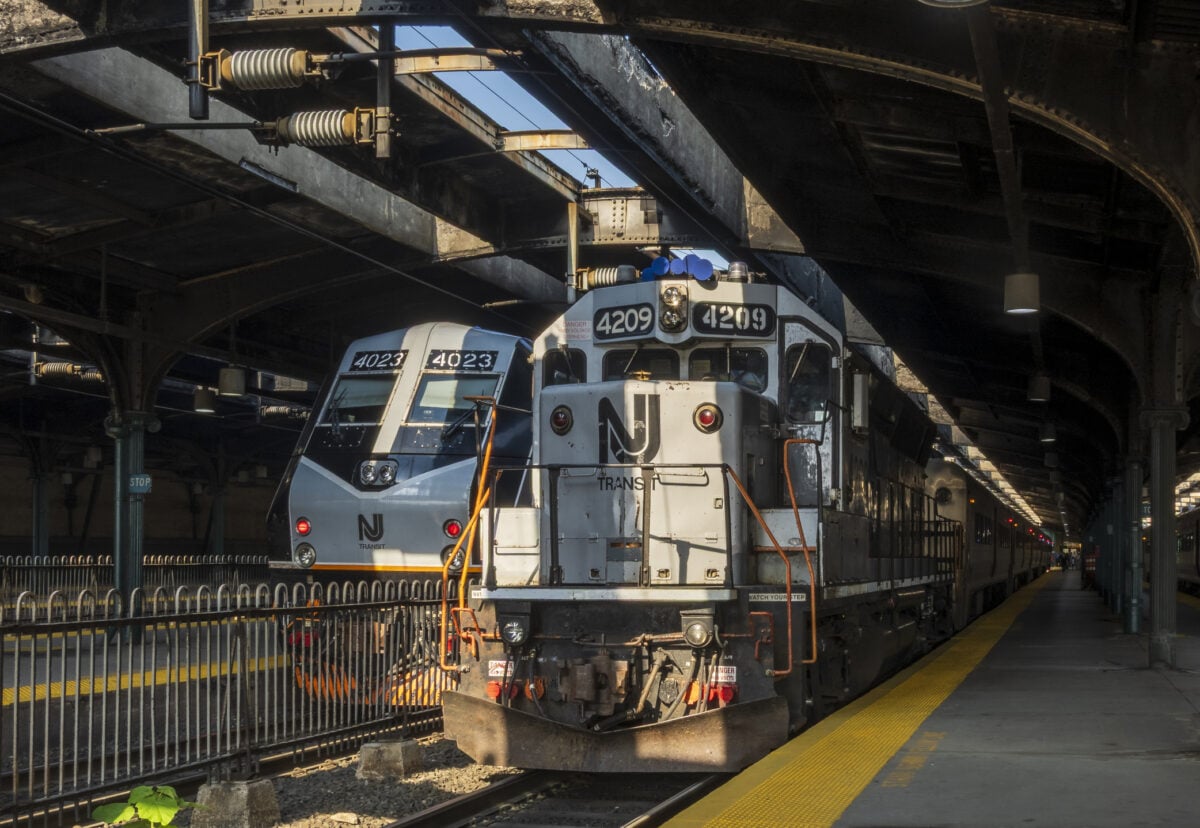
TRENTON, N.J. – Gov. Mikie Sherrill took office promising improvements to NJ Transit, but eight months into her administration, the state’s commuter rail system remains a political headache as riders continue confronting delays, cancellations and aging infrastructure.
Now Rebecca Bennett, a Democrat running for Congress in New Jersey’s 7th Congressional District, is making transit a central part of her own campaign. Bennett says she understands the frustrations because she has dealt with the system herself.
“This is personal for me. I know firsthand how bad our transit system is,” Bennett said in campaign material. “People need to be able to commute to and from the city.”
Bennett Promises to Push NJ Transit Improvements
Bennett has presented herself as a candidate who would push Washington to help address transportation problems affecting New Jersey commuters.
“I realize how bad our transit system is,” Bennett said.
She has also pledged to make sure projects move forward if elected, putting particular emphasis on rail service used by commuters traveling between New Jersey and New York City.
The transit document containing Bennett’s remarks was published on her campaign website but has since been removed. Her campaign, however, continues to publicly promote transportation priorities elsewhere on its website.
Those priorities include completion of the Gateway Tunnel and delivering a one-seat ride for commuters using the Raritan Valley Line.
Bennett’s transit position recently earned her the endorsement of SMART-TD, the union representing transportation workers.
The union said Bennett is committed to completing Gateway and ending the decades-long wait for direct Raritan Valley Line service into Manhattan.
Sherrill Ordered NJ Transit to Deliver Improvements
Sherrill has not ignored the system since becoming governor.
In March, she signed Executive Order 16 directing NJ Transit to develop a plan for cleaner stations and vehicles, better accessibility, improved public safety and more reliable digital information for riders. The order called for commuters to begin seeing improvements by June 22.
“Every New Jerseyan deserves a transit system that is safe, clean, accessible, and reliable,” Sherrill said when she signed the order.
NJ Transit followed in May with its Rapid Action Plan, including a redesigned mobile app, GPS-based train and light-rail tracking, station improvements, expanded cleaning programs, upgraded cameras and a Real Time Crime Center.
The administration is also pursuing longer-term improvements, including new buses and Multilevel III railcars and completion of the Portal North Bridge.
Those projects, however, do not immediately eliminate the daily reliability problems commuters experience when trains are canceled, delayed or caught in infrastructure failures.
That gap between long-term investment and what riders experience today leaves NJ Transit vulnerable as a campaign issue.
Transit Problems Become a Political Test
Sherrill has repeatedly made clear that she wants her administration judged on whether commuters see tangible improvements.
In May, she described herself as the “transit-obsessed Governor” and acknowledged that years of inadequate investment had pushed the system into difficult circumstances.
Bennett is now making a similar appeal to voters, but from the congressional campaign trail.
The two politicians also have different levers available to them. A governor has direct influence over NJ Transit and its leadership, while a member of Congress cannot manage the state agency’s daily operations.
Congress can, however, play a major role in securing federal transportation funding, protecting projects such as Gateway and advancing infrastructure needed to improve rail service.
For commuters, political promises ultimately matter less than whether trains arrive when they’re supposed to.
Bennett is betting that voters frustrated with their commute will respond to a candidate who says she has lived through those problems herself. Sherrill, meanwhile, now has to demonstrate that the plans her administration put in motion this year translate into a system riders can actually depend on.
Rebecca Bennett says her NJ Transit push comes from personal experience with the system.
Bennett says she knows firsthand how difficult New Jersey’s transit problems can make commuting to and from New York City.
Sherrill has already ordered changes at NJ Transit.
Her March executive order led to a Rapid Action Plan covering cleanliness, accessibility, safety and rider information, while the administration is also pursuing major infrastructure and fleet upgrades.
Bennett’s congressional transit agenda focuses heavily on federal rail projects.
Her campaign continues to support completing the Gateway Tunnel and establishing a one-seat ride to New York for Raritan Valley Line passengers.
Sources: Rebecca Bennett campaign materials; Rebecca Bennett for Congress; SMART-TD; Office of Gov. Mikie Sherrill; NJ Transit.