


Restaurant Industry Expert Lauren Fernandez Breaks Down Important Trend and Predicts Future Growth
 The restaurant industry has certainly changed over the past few years, and one trend is that many restaurants are moving toward a fast casual model. Lauren Fernandez, Founder and CEO of Full Course, is a veteran of the restaurant and beverage industry and offers her expertise in deciphering why this trend is important to the future of the restaurant industry.
“Our restaurants have certainly taken many hits these last few years,” explains Fernandez. “The COVID-19 pandemic has presented hurdles that our restaurants continue to overcome. As a result, they want to operate smarter and contribute to their overall guest experience in the very best way.”
This fast casual segment is defined by factors such as freshly prepared, higher-quality food served with reduced or no table service. In 2021, same-store growth in the fast casual segment outpaced all other food service categories including family dining, casual dining, quick service and upscale casual dining.
The top eight reasons why restaurants are moving toward a fast casual model are:
- There is better flexibility in execution.
The fast casual segment optimizes a restaurant’s three highest costs: food, labor and rent. Wider menu offerings meet changing consumer tastes more quickly, and better ingredients allow for healthier options at competitive prices. - A flexible labor model is adopted.
Counter and limited service mean a reduced need for front-of-house staff. Counter service reduces labor costs – on average 30% or more of restaurant costs – and can make staffing manageable, especially in times of crisis. - Operators can run multiple daypart segments.
Fast casual restaurants can span several daypart segments to capture sales to leverage existing overhead efficiently. - Casual dining lends itself better to off-premise sales.
Whether it’s a catering program or third-party delivery, limited service fast casual concepts are more readily adapted to off-premise sales. In this digital era, consumers expect these offerings as part of the brand positioning. - Fast casual plays better with consumer packaged goods.
Brand loyalty can be extended onto product lines with consumer packaged goods. These might include sauces or spice mixes, for example, and can be found in either an in-person dining experience, takeout or delivery, widening the possibility of reaching customers. - Less expensive to open, with better payback periods.
Some fast casual units have build-out costs less than $500,000. Owners receive a return on capital expenditures on new units, often seeing payback periods of less than three years. - Solid topline sales with good flowthrough to the bottom line.
Sales average $1.4 million with profit margins of 17%. This creates a firm foundation for restaurants to grow and expand the brand more quickly. - Fast casual is less sensitive to economic contraction.
Customers with less spending power historically will “trade down” into the fast casual, rather than not eating out at all.
“In the end, the right elements need to be in place to make a restaurant successful and ultimately scalable,” says Fernandez. “The fast casual model makes restaurants poised for growth. With fewer floorplan constraints, this format is adaptable to a multitude of real estate locations, and this flexibility aligns with multiple channels of revenue. The financial returns in this segment support the opportunity.”
About Full Course
Full Course is a restaurant investment and development group that is changing the way that new businesses grow their brands. The company partners with restaurants in the early stages of development and helps them tell their stories by optimizing operations, developing strategies for sustainable growth and connecting owners or chefs with the right investors or franchise partners. Full Course Founder and CEO Lauren Fernandez has spent almost 20 years in the food and beverage industry, first as general counsel and head of franchise administration for a large company with more than 4,000 restaurants in over 15 countries, and then as an operator of a successful restaurant group. Fernandez was recently named to Nation’s Restaurant News Power List. By providing support and expertise to burgeoning restaurant brands on the front end, Full Course is setting up a strong foundation for growth for them and their potential investors, from which they can successfully realize their dreams. Learn more at www.fullcourse.com.
 Cape May County News
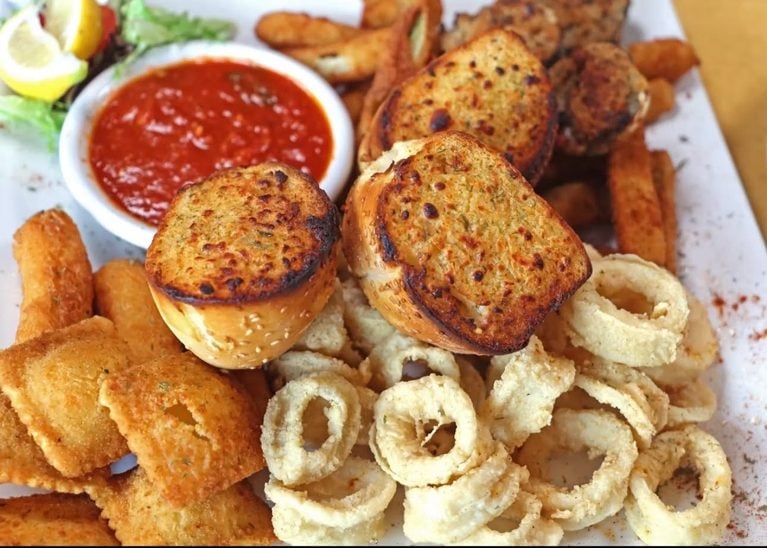
One Last Dinner at Little Italy Is the Right Way to End a Wildwood Summer
Shore News Network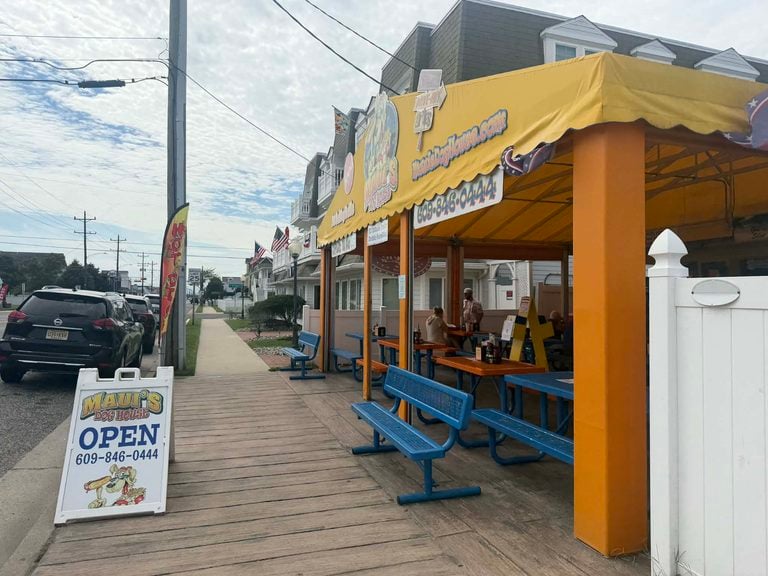 Cape May County News
Maui’s Dog House in North Wildwood Is More Than a Roadside Hot Dog Gimmick
Shore News Network Food & Dining
 Events and Festivals