
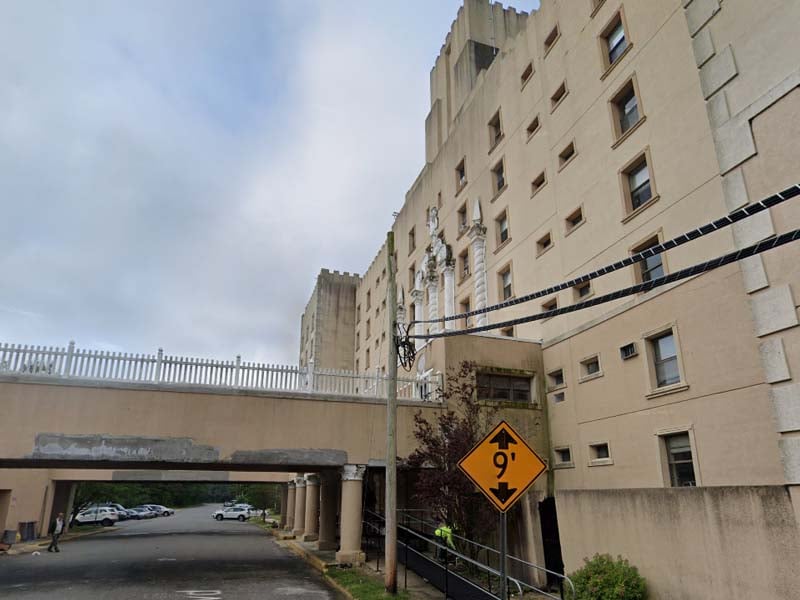
Nestled deep within New Jersey’s mysterious Pine Barrens, there’s a legend that’s as intoxicating as the bootleg whiskey it’s tied to. Rumor has it that the notorious gangster Al Capone had a secret hideout—a sprawling luxury hotel, abandoned before it could ever flourish, where the mobster and his crew carried out shady business during the height of Prohibition. The setting? The Royal Pines Hotel.
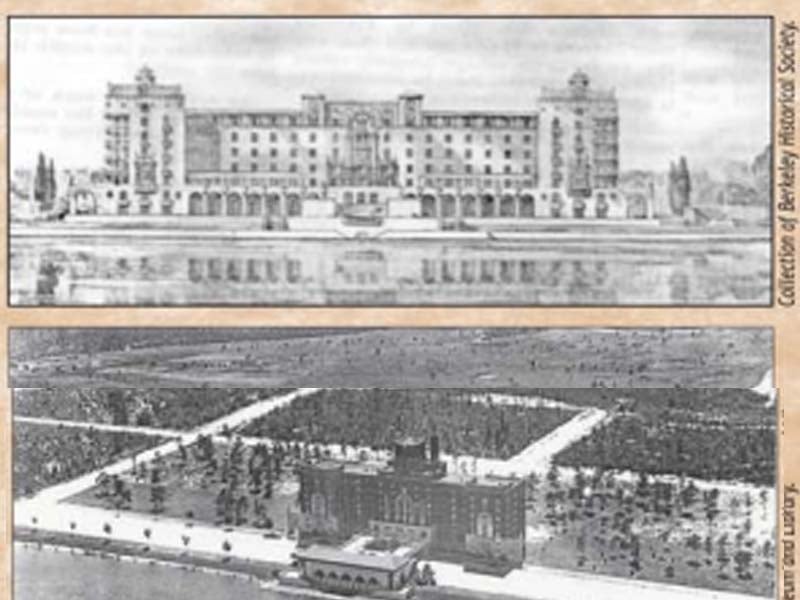
While the idea of Capone sipping whiskey in the shadows of the Pine Barrens sounds like something straight out of a Hollywood script, the truth might be a bit hazier. The Royal Pines Hotel, built in 1929, was a lavish resort in Pinewald, New Jersey. Designed to be a beacon of opulence, it boasted a golf course, a nature preserve, and even had a grand pavilion overlooking the bay. It cost a whopping $1.5 million to construct—a fortune for the time—and opened just after the stock market crash of 1929. Talk about bad timing.
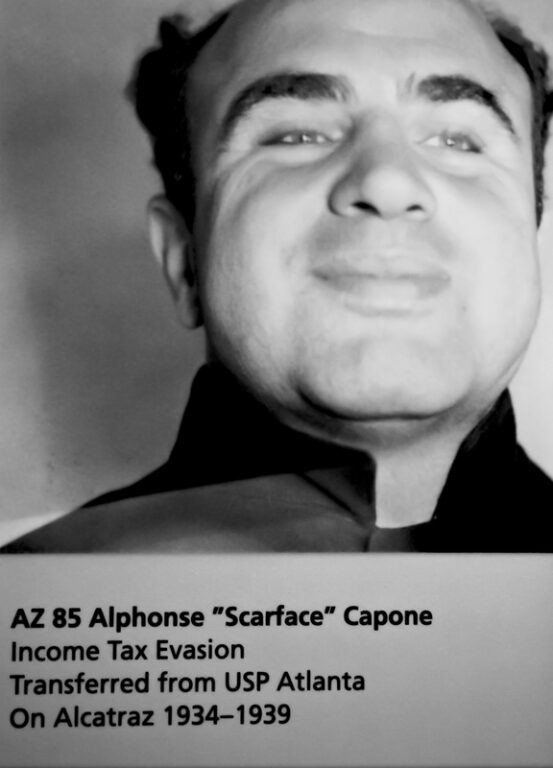
The hotel struggled to get on its feet, its glamour fading fast as the Great Depression took hold. Pinewald, once envisioned as a bustling city, was left deserted, making the Royal Pines an eerie, empty monument to unrealized dreams. And that’s where the legend of Capone begins to creep in.
As the hotel sat empty in the early 1930s, bootleggers moved in, using its vast, abandoned halls as the perfect cover for their illegal alcohol operations. They reportedly installed a massive 2,500-gallon still in one of the nearby villas and kept a watchful eye on the roads from the hotel’s roof. While there’s no hard evidence that Capone himself ever set foot in the Royal Pines, the whispers of his involvement continue to swirl. Could this have been one of his many clandestine operations, tucked away in the quiet New Jersey woods?
It’s easy to see why people believed Capone might have had a hand in the hotel’s shady second act.
During the Great Depression, many development companies in the New Jersey Pinelands defaulted on their taxes, and the Royal Pines Hotel, located in Pinewald, became a symbol of these failed dreams. Construction of the hotel began before the stock market crash of 1929, but the project wasn’t completed until after the financial collapse. A grand opening took place on November 18, 1930, with a special train bringing guests from New York to witness the unveiling of this opulent retreat.
Built by the B.W. Sanger Corporation and designed by Russian architect W. Oltar-Jevsky, the Royal Pines Hotel was an ambitious project. It cost an astounding $1.5 million and was meant to anchor a vast development that included an 18-hole golf course, a nature preserve, an 8,000-lot housing development, Crystal Lake, and a bayfront pavilion. Despite its grandeur, the hotel struggled to survive its first few years as Pinewald remained mostly empty—a city of undeveloped lots and distant dreams.
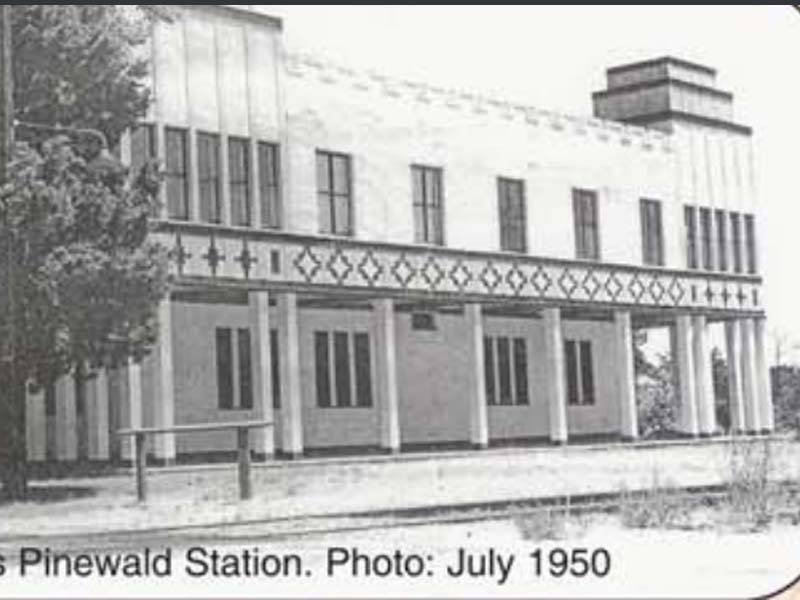
From 1932 to 1934, the hotel changed hands multiple times, sold at three successive sheriff’s sales. During this period of vacancy, the desolate building attracted bootleggers, who are said to have used the gutted structure as a hub for illegal alcohol production. Local lore suggests that even Al Capone’s network may have been involved, with a 2,500-gallon still reportedly hidden inside a nearby concrete villa. Lookouts would watch for authorities from the roof of the abandoned hotel.
In 1935, the Royal Pines was purchased for just $50,000 and converted into the Royal Pines Hospital. It served the community for years, with the operating room located on the seventh floor. By 1947, it was renamed Dennis Memorial Hospital, where many local “baby boomers” were born.
In 1950, the building underwent another transformation, this time becoming the Pinehaven Nursing Home and Sanitarium. Through the 1970s, it continued to evolve, ultimately changing its name to Bayview Convalescent Center in the later part of the decade. The building was finally renovated in 1999 to become part of the Crystal Lake Healthcare & Rehabilitation facility, continuing its legacy as a monument to the ambitious, and at times scandalous, dreams of Pineland developers.