
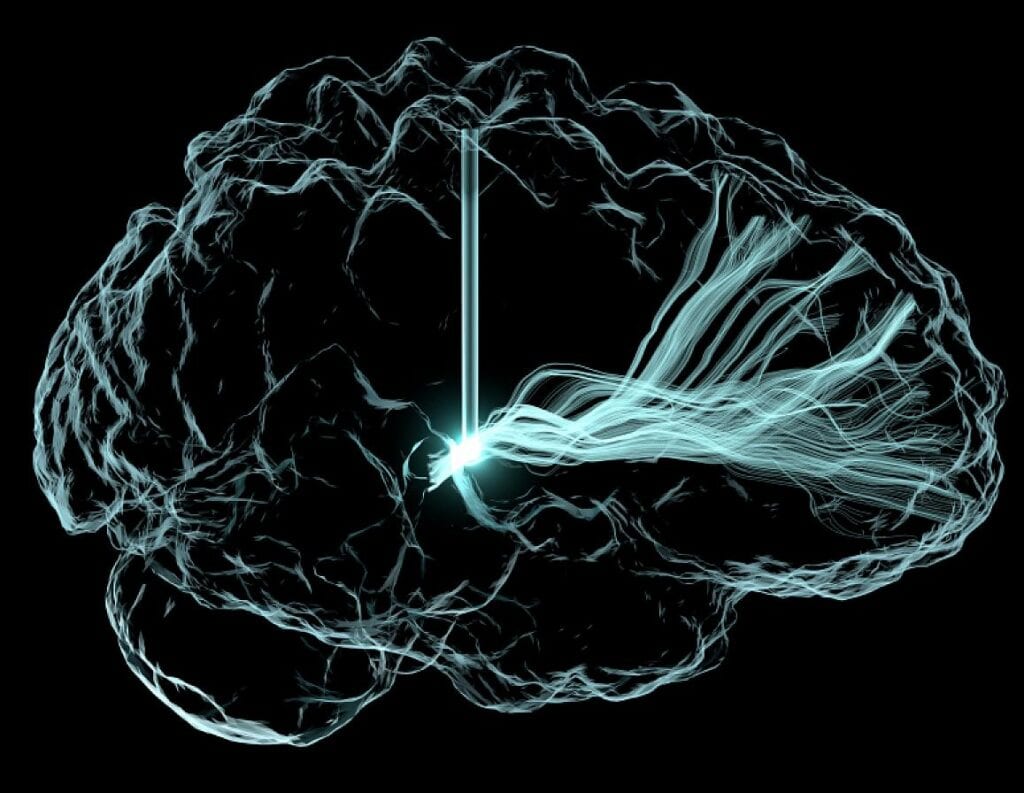
The National Institutes of Health will fund more than 175 grants, totaling nearly $500 million, through the NIH’s Brain Research through Advancing Innovative Neurotechnologies (BRAIN) Initiative, part of a large effort among federal and non-federal partners to use knowledge about how the brain works to develop more effective therapies for neurological disorders.
“Recent discoveries and new technologies supported by the BRAIN Initiative provide a solid foundation for the next phase of the program, which will focus on large transformative projects and lay the foundation for novel interventions for human brain disorders,” said John Ngai, Ph.D., director of the NIH BRAIN Initiative. “We are moving closer to a complete list of all of the components in the brain and learning how those parts work together. That knowledge will enable us to develop better treatments for neurologic and neuropsychiatric diseases.”
The researchers represent a variety of scientific disciplines from chemistry to engineering to psychology and more.
The new awards include efforts to use deep brain stimulation to enhance sleep in people with Parkinson’s disease; explore the neural circuits behind pain; employ ultrasound technology to precisely deliver drugs to the brain; and help people with acute spinal cord injury recover movements and bladder control.
Scientists are also making significant advances in human brain imaging by developing a new type of MRI scanner to watch the brain in action as someone moves; generating ultra-high resolution images of brain chemistry using new PET technology; and using ultrasound to noninvasively map brain electrical activity.
Some grants support integrated research on neuroethical implications of BRAIN-funded neuroscience projects, including issues concerning certain types of neurosurgery and ethical challenges of using mobile neuroimaging technology in field studies.
Meanwhile, others will take a unique approach to studying the brain by developing a range of innovative model systems, beyond traditional fruit flies and rodents. For example, they will study the circuits behind the way an octopus sees and makes decisions; how moths detect harmful stimuli; and the brain connections bats use to navigate in the dark. These studies will provide insights into ways that brain circuitry can affect human behavior.
The BRAIN Initiative started in 2013 as a large-scale effort to accelerate neuroscience research by providing researchers with tools to study and treat human brain disorders. The NIH BRAIN Initiative has focused on brain circuit structure and function as well as the development of technologies to manipulate connections. To date, more than 900 awards totaling approximately $1.8 billion have been supported by the NIH BRAIN Initiative, which is collaboratively managed by 10 institutes.
A number of BRAIN Initiative-supported research findings have been published over the past year including identification of neurons that help rats envision future scenarios; the discovery of specific cells activated by general anesthesia and that may be potential targets for chronic pain treatments(link is external); advances in imaging technology that can measure brain activity up to 3,000 times per second in animals; examining nonverbal behavior in people with severe depression who receive deep brain stimulation; watching as odor-sensing cells within the nose react to complex smells; finding brain cells that can initiate torpor, a state of inactivity similar to hibernation; and a new device that may allow real-time control of prosthetic limbs.
For more information, please visit: https://braininitiative.nih.gov/
The NIH BRAIN Initiative® is managed by 10 institutes whose missions and current research portfolios complement the goals of the BRAIN Initiative: National Center for Complementary and Integrative Health, National Eye Institute, National Institute on Aging, National Institute on Alcohol Abuse and Alcoholism, National Institute of Biomedical Imaging and Bioengineering, Eunice Kennedy Shriver National Institute of Child Health and Human Development, National Institute on Drug Abuse, National Institute on Deafness and other Communication Disorders, National Institute of Mental Health, and National Institute of Neurological Disorders and Stroke.