
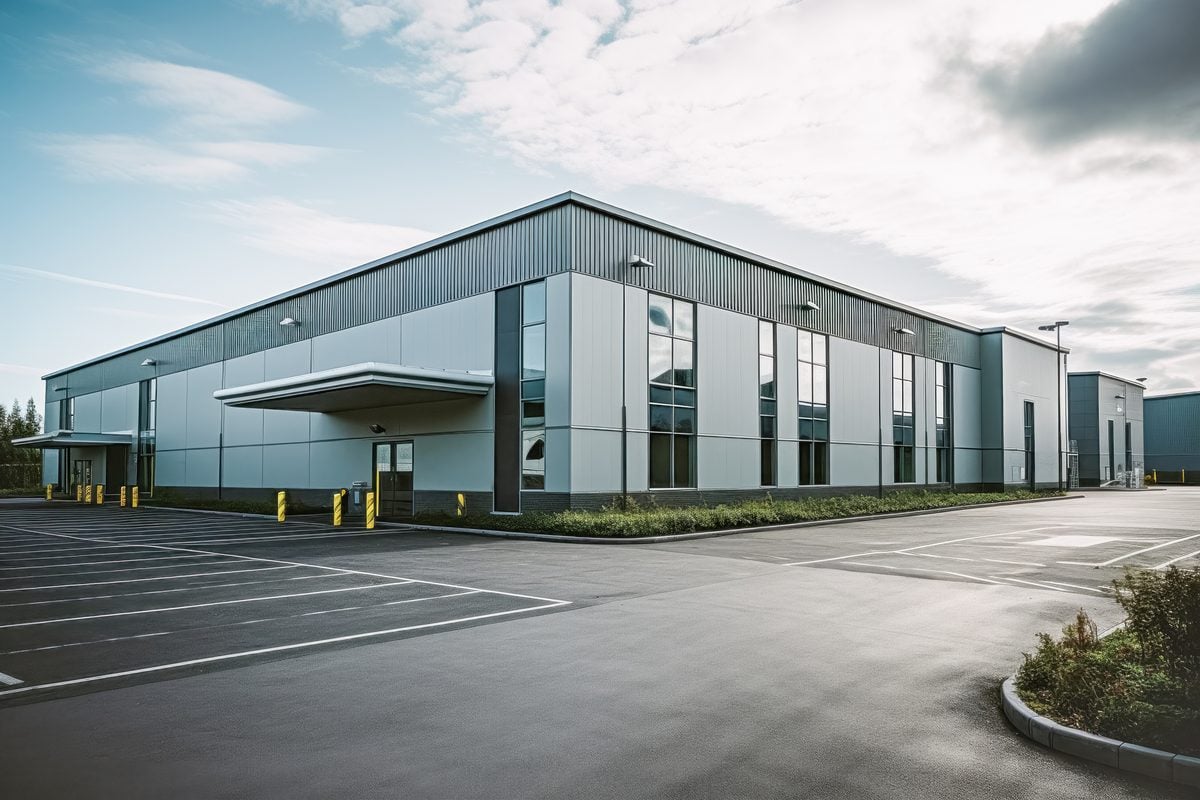
New Jersey’s warehouse market is caught between a post-pandemic slowdown and a development pipeline set in motion years ago, leaving some buildings vacant even as new projects continue rising.
NEW JERSEY — Drive almost anywhere along the New Jersey Turnpike, Interstate 195, Route 130 or the warehouse corridors of Middlesex, Mercer, Monmouth and Ocean counties and the contradiction is hard to miss.
Large warehouse buildings sit partially or completely empty.
At the same time, developers continue clearing land, winning approvals and putting up even more industrial space.
The explanation is not that warehouses are suddenly unwanted. The state is instead dealing with the aftermath of an extraordinary pandemic-era construction boom, a changing tenant market and the long delay between approving a warehouse and actually opening one.
Pandemic Boom Set Off a Warehouse Building Rush
During the height of the COVID-19 pandemic, demand for warehouse and distribution space surged.
Online shopping accelerated, retailers carried more inventory, companies worried about supply-chain disruptions and logistics operators raced to position goods closer to the massive New York and Philadelphia consumer markets.
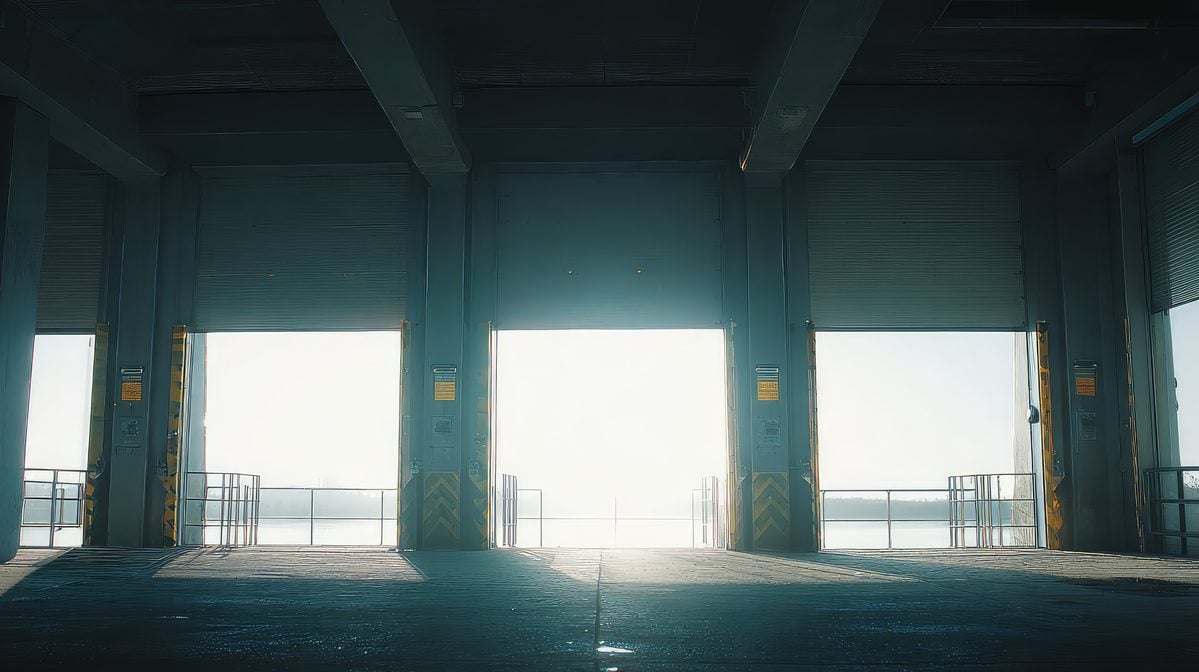
New Jersey became one of the most valuable warehouse markets in the country because of its highways, ports, population density and proximity to major metropolitan areas.
Developers responded by buying industrial properties, farmland and redevelopment sites and seeking approvals for enormous logistics facilities.
Many of the warehouses opening in 2025 and 2026 were planned several years earlier, when vacancy was much tighter and rents were climbing rapidly.
Commercial construction does not react immediately to changing demand.
A project can spend years moving through land acquisition, zoning approvals, environmental permitting, financing and construction before the first tenant ever moves in.
That means developers are still delivering buildings conceived during a very different market.
Vacancy Rose Even as Leasing Remained Active
The market has clearly softened from the pandemic frenzy.
CBRE reported earlier this year that vacancy in Northern and Central New Jersey increased as newly completed buildings entered the market without tenants and older industrial buildings lost occupants.
At the same time, the firm found strong demand for newer Class A warehouse space, particularly from third-party logistics companies and e-commerce operators.
That split is an important part of what motorists are seeing.
A warehouse can be technically available even while another building a few miles away is being leased rapidly.
Tenants increasingly want newer facilities with higher ceilings, more trailer parking, larger truck courts, modern fire suppression, better highway access and enough electrical capacity for increasingly automated operations.
Older warehouses that do not meet those standards can sit empty longer.
New Jersey Still Leased Millions of Square Feet This Year
The market is not dead.
Cushman & Wakefield reported 8.3 million square feet of new industrial leasing activity statewide during the second quarter of 2026.
Colliers reported an even stronger first quarter, with more than 13.5 million square feet leased — the highest quarterly volume in four years.
Large transactions exceeding 200,000 square feet represented more than half of first-quarter leasing.
Those numbers help explain why developers are not abandoning New Jersey.
There is still substantial demand.
The problem is that supply and demand do not always match geographically, by building size or by building quality.
The New Buildings Are Competing With Yesterday’s Warehouses
Much of the current market is experiencing what commercial real estate professionals call a “flight to quality.”
Major tenants can often choose between an older warehouse and a newly constructed facility with modern specifications.
When rents soften, the price difference between the two can become small enough that tenants choose the newer building.
That leaves older facilities competing more aggressively through lower rents, concessions or renovations.
It can also make vacancy look worse than the headline statewide number suggests because empty buildings may cluster along certain corridors while premium warehouses elsewhere remain heavily occupied.
Why Keep Building If There Is Already Empty Space?
The simplest answer is that many projects cannot be stopped quickly.
Land may already have been purchased.
Municipal approvals may have taken years to obtain.
Developers may already have financing commitments, infrastructure work underway and construction contracts signed.
Walking away can sometimes cost more than finishing the project.
Developers also typically make decisions based on what they believe demand will look like when a building is completed, not necessarily what vacancy looks like today.
A warehouse breaking ground in 2026 may not be ready until 2027 or later.
The developer is effectively betting on conditions several years into the future.
Location Can Matter More Than Statewide Vacancy
Not all warehouse space is interchangeable.
A 500,000-square-foot distribution building near the New Jersey Turnpike is not necessarily competing directly with a 75,000-square-foot older building miles from an interstate interchange.
Tenants may need access to Port Newark-Elizabeth, Newark Liberty International Airport, major population centers or specific interstate routes.
Others need specialized facilities for cold storage, manufacturing, last-mile delivery or automotive operations.
That is why a municipality can simultaneously have an empty warehouse and an application for another warehouse nearby.
The new project may be designed for a different tenant class altogether.
Speculative Warehouses Add Another Layer
Some buildings are constructed without a tenant already committed.
These are known as speculative, or “spec,” developments.
The developer builds based on the expectation that a tenant will eventually lease the building.
That strategy worked particularly well when warehouse demand was exceptionally strong and buildings were sometimes leased before construction was finished.
As the market cooled, some speculative buildings began reaching completion without tenants.
Those buildings are among the most visible examples of the current vacancy problem.
Developers Are Becoming More Cautious
There are signs that the development pipeline is beginning to respond.
CBRE reported that industrial construction starts slowed during early 2026 even as several previously planned projects moved forward.
That is typically how a commercial real estate correction works.
Projects already deep into development continue toward completion, while developers become more hesitant about starting new speculative construction.
The result can produce a period in which vacancy rises temporarily before new supply finally slows enough for leasing demand to catch up.
Towns Are Also Pushing Back on Warehouse Growth
The warehouse boom has produced another problem: local opposition.
Communities throughout New Jersey have raised concerns about truck traffic, farmland loss, road deterioration, noise, flooding and the conversion of open land into sprawling industrial complexes.
New Jersey’s current State Development and Redevelopment Plan explicitly calls for reversing further “warehouse sprawl” in suburban planning areas and directing more growth toward appropriate redevelopment locations.
Municipalities have also begun rewriting zoning ordinances to restrict or better regulate warehouses, fulfillment centers and similar industrial uses.
The state therefore faces an unusual situation.
The market is already correcting the warehouse boom at the same time planners and residents are questioning whether many of the projects should have been approved in the first place.
Empty Today Does Not Always Mean Permanently Empty
A newly completed warehouse may also appear vacant for months before a tenant becomes operational.
Large leases can involve extensive interior construction, automated sorting equipment, racking systems, loading infrastructure and fire-code work.
A company may lease a building long before trucks begin regularly entering the property.
Conversely, some buildings really are sitting without tenants and being actively marketed.
There is no single explanation for every apparently empty warehouse.
What New Jersey Is Seeing Is a Market Catching Up With Itself
The warehouse landscape visible across New Jersey in 2026 is largely the product of decisions made during the extraordinary logistics market of several years ago.
Demand has normalized.
Companies have become more selective.
Vacancy has increased in some sectors.
Yet tenants are still signing millions of square feet of leases, particularly in newer, well-located buildings.
Meanwhile, projects approved and financed during the boom continue reaching construction.
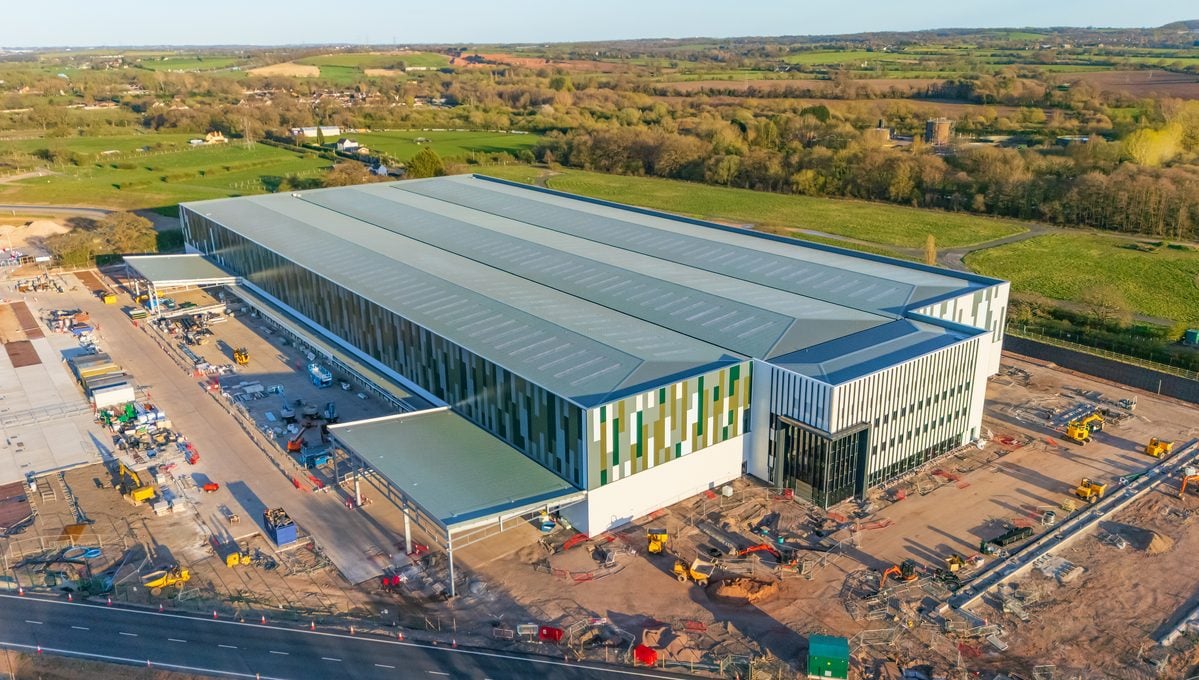
That is why residents can see an empty warehouse on one side of the road and bulldozers preparing another warehouse site on the other.
The two are not necessarily evidence that no one wants warehouse space.
They are evidence of a market that expanded faster than demand could permanently sustain — and is now working through the excess.