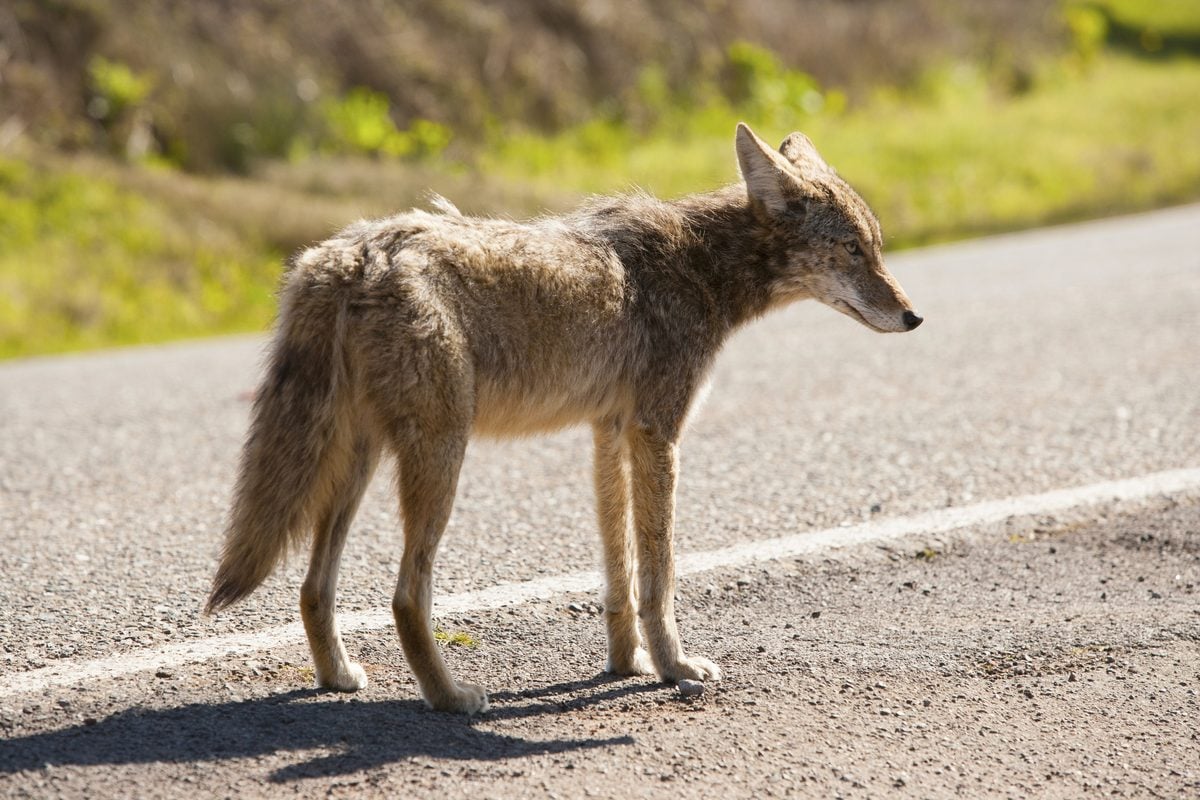
WILDWOOD, N.J. – A small group of coyotes living near Wildwood‘s back bay has become an unexpected source of tension as the animals increasingly wander residential streets and yards after years of remaining mostly out of sight.
Residents say the coyotes have lived around the former municipal dump area for decades, but recent clearing and redevelopment have removed some of the brush that once provided cover. Now neighbors are seeing adults and pups during the day, and concern over their thin appearance has prompted some people to leave food for them.
- Wildwood police say they have received numerous reports of coyote sightings across the city in recent weeks.
- Residents say the coyotes have been around the back bay for decades but are becoming much more visible as the area changes.
- Officials say the animals have not displayed reported aggressive behavior and are urging residents to stop feeding them.
The debate has left people on both sides wanting essentially the same outcome: no one wants the coyotes harmed. The disagreement is over whether feeding apparently hungry animals is helping them survive or making their situation more dangerous.
Coyotes Becoming More Visible Around Wildwood
Coyotes aren’t new to Cape May County or the Wildwoods.
Wildwood police acknowledged the animals’ long presence in an Aug. 31 public warning after receiving numerous recent sighting reports.
“While coyotes have inhabited our island for years, increased attention surrounding recent sightings has resulted in greater public awareness,” police said.
Residents around the bayside say some of the coyotes have been associated with the former landfill area for roughly 30 years.
What has changed is how often people are seeing them.
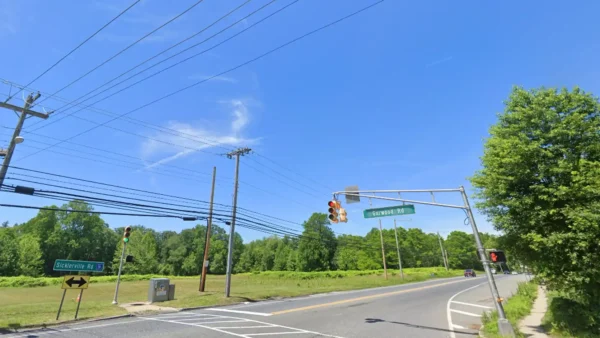
The city is moving forward with redevelopment plans involving property at 525 W. Spicer Avenue in the back bay. Wildwood is seeking a developer for the 3.42-acre city-owned parcel, while other portions of the former landfill area are undergoing changes.
Residents believe the loss of trees, grass and thick brush has pushed the animals into the open and closer to nearby streets.
Development and clearing may be contributing to the increased visibility, but there has been no official determination that redevelopment alone is responsible for the coyotes’ behavior.
Thin Coyotes Have Some Neighbors Trying to Help
Some residents are concerned by the physical condition of the animals.
Neighbors have described some coyotes as extremely thin, and one coyote was found dead Thursday. No official cause of death has been announced.
Those concerns have led some people to put out food.
That’s where Wildwood officials and state wildlife experts draw a hard line.
The Wildwood Police Department says intentionally feeding coyotes can cause the animals to lose their natural fear of people and become increasingly comfortable around homes and populated areas.
Police have posted warnings telling people not to feed or intentionally attract the animals.
Mayor Ernie Troiano Jr. has also repeatedly urged residents to leave the coyotes alone rather than trying to care for them.
“Leave them alone. Don’t feed them,” Troiano said in an interview about the sightings. “They will go to their food source. They have been here for years. We had no problems.”
The city has installed more than a dozen warning signs in areas where the animals have been seen.
Feeding Coyotes Can Put the Animals at Greater Risk
The warnings aren’t simply about keeping wildlife away from residential neighborhoods.
New Jersey Fish and Wildlife says coyotes are naturally wary of people, but that behavior can change when they begin receiving food from humans.
Once coyotes associate people with meals, they can become less cautious about approaching houses, yards and populated areas.
That can ultimately put both residents and the coyotes at risk.
“Never feed a coyote,” state wildlife officials advise. “Deliberately feeding coyotes puts pets and other residents in the neighborhood at risk.”
Wildwood’s municipal ordinance also prohibits intentionally placing food to attract or feed wildlife. Police have said violations can carry fines of up to $500.
Troiano has separately warned in media interviews that penalties could be higher depending on the circumstances.
Officials Say Relocation Isn’t the Answer
Some residents have questioned why the coyotes can’t simply be captured and moved to a less populated part of New Jersey.
State wildlife officials say relocation of a problem coyote isn’t considered an appropriate solution.
New Jersey Fish and Wildlife says relocating a coyote can simply transfer the same problem to another community.
The state’s approach instead focuses on preventing coyotes from becoming accustomed to people in the first place.
That means eliminating easy food sources, securing garbage, keeping pet food indoors and supervising small pets outside.
Coyotes primarily eat rodents, rabbits, birds and other small animals but are highly adaptable and will take advantage of garbage, pet food and other readily available food.
The state also notes that a coyote looking thin does not necessarily mean it is starving. Coyotes can suffer from mange, which causes significant hair loss and can dramatically change an animal’s appearance.
There has been no determination that mange is affecting the Wildwood coyotes.
No Attacks Reported as City Monitors Pack
Despite the concern surrounding the sightings, Wildwood officials say there have been no reported attacks or aggressive incidents involving the animals.
That’s an important distinction as photographs and videos of coyotes moving through neighborhoods circulate online.
Sightings alone are not considered an emergency.
New Jersey Fish and Wildlife says coyotes have been documented throughout all 21 counties and have adapted remarkably well to suburban and urban environments.
Wildwood officials are working with state wildlife authorities, animal control and wildlife professionals to monitor the local situation.
For residents, the challenge is watching animals that some have known about for decades suddenly appear vulnerable and exposed.
For wildlife officials, helping them means resisting the instinct to feed them.
As redevelopment continues around the back bay, the question is whether the coyotes retreat to remaining habitat — or whether their growing comfort around people turns a longtime Wildwood wildlife presence into a larger neighborhood problem.
Wildwood’s coyotes have apparently been around much longer than the recent sightings.
Residents say coyotes have lived around the bayside for decades, while police confirm the animals have inhabited the island for years.
Officials say no aggressive behavior or attacks have been reported.
The increased sightings have raised concerns, but authorities have not reported a recent attack involving the Wildwood coyotes.
Residents are being told that feeding the coyotes could ultimately hurt them.
State wildlife officials say feeding can eliminate a coyote’s natural fear of humans, increasing the chance of conflicts that can end badly for the animal.
Sources: Wildwood Police Department; City of Wildwood; New Jersey Fish and Wildlife; local resident accounts; NBC10 Philadelphia reporting; limited supplemental reporting from CBS Philadelphia.
Here's what else is happening