

Burlington County Prosecutor LaChia L. Bradshaw and Moorestown Township Public Safety Director Patrick J. Reilly Jr. revealed that a 73-year-old Moorestown man faced charges on Thursday for murdering his wife in their East Camden Avenue residence. Gerard Slavin was charged with First Degree Murder and Aggravated Assault – Strangulation.
He was held at the Burlington County Jail in Mount Holly awaiting a detention hearing in Superior Court.
The investigation commenced just before 3 p.m. on Thursday after authorities received a call regarding the Slavin’s home in the Moorestowne Woods Apartment Homes. Responding officers from the Moorestown Township Police Department discovered the lifeless body of Linda Slavin, 73, in the couple’s bedroom.
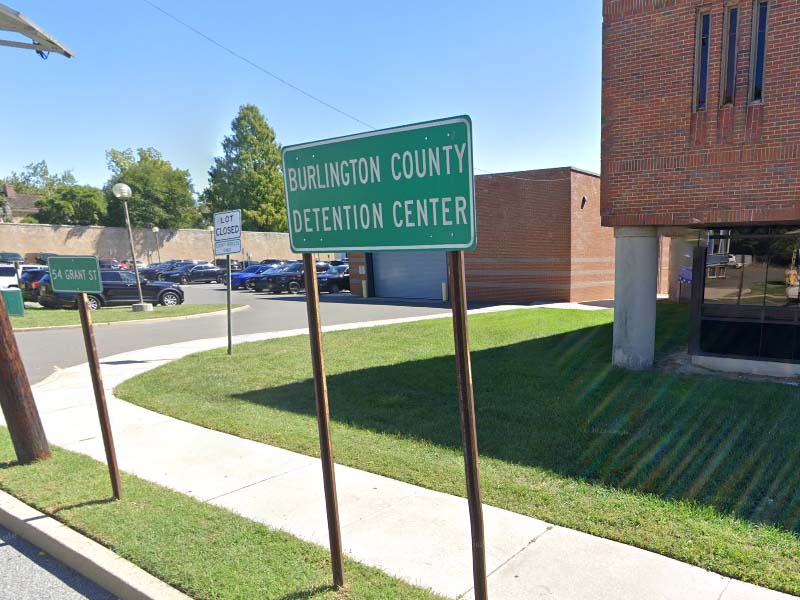
Following the incident, Gerard Slavin was taken into custody without any complications. The Burlington County Medical Examiner Dr. Ian Hood performed an autopsy on Friday, confirming that Linda Slavin’s cause of death was strangulation. Authorities from the Moorestown Township Police Department and the Burlington County Prosecutor’s Office are leading the ongoing investigation with MTPD Det. Ryan Carr and Prosecutor’s Office detectives Shawn McDonough and Katie White at the helm.
- Cinnaminson Sets Halloween Trunk-or-Treat at Memorial Park

Cinnaminson Township will hold its Halloween Trunk-or-Treat on Friday, Oct. 23, with candy, costumes, music, prizes and activities for township families.
CINNAMINSON, NJ — Halloween festivities are returning to Memorial Park next month as Cinnaminson Township prepares for an evening of decorated vehicles, costumes and family activities.
Update: Event will be at the Memorial Park Walking Track
The township’s Trunk-or-Treat is scheduled for 6 to 7:30 p.m. Friday, Oct. 23, along the Memorial Park walking track.

Photo: 73-year-old south jersey husband charged with killing wife A rain date is scheduled for Monday, Oct. 26.
Candy, costumes and activities planned
The event will feature decorated trunks handing out candy along with children’s activities, music, prizes and a DJ.
Cinnaminson police and fire departments will also participate with decorated vehicles of their own.
The event is limited to Cinnaminson residents.
Children attending the event do not need to register.
Residents can register a decorated trunk
Residents who want to participate by decorating a vehicle must register with the township in advance.
Vehicle setup begins at 4 p.m., two hours before trick-or-treating starts.
Residents interested in registering a trunk can email cturner@cinnaminsonnj.org.
The event is one of several fall community programs planned across Burlington County as municipalities prepare for Halloween.
- 51-year-old Willingboro man struck and killed on Route 130 in Edgewater Park

The fatal collision happened near Pennypacker Drive early Sunday morning and remains under investigation
EDGEWATER PARK, NJ – A 51-year-old Willingboro man was struck and killed by a vehicle on Route 130 in Edgewater Park early Sunday morning, prompting a joint investigation into what led to the fatal collision.
The victim was identified as Welther Briggs of Willingboro, according to the Edgewater Park Township Police Department.
Police said the crash occurred during the early morning hours on Route 130 South at the intersection of Pennypacker Drive.
A preliminary investigation determined that Briggs was struck by a vehicle traveling south on Route 130.
Briggs suffered fatal injuries in the collision, police said.
Investigators have not released additional information about the vehicle or driver involved in the crash. Police also have not disclosed the circumstances leading up to the collision.
The Edgewater Park Township Police Department and the Burlington County Prosecutor’s Office Fatal Accident Investigation Unit are investigating.
Authorities are seeking witnesses and anyone who may have seen activity in the area around the time of the crash.
Anyone with information that could assist investigators can contact Detective Haney at 609-877-4404 or haney@edgewaterpark-nj.com.
Key Points
- Welther Briggs, 51, of Willingboro was struck and killed on Route 130 South in Edgewater Park early Sunday morning.
- Police said Briggs was struck by a southbound vehicle near the intersection of Pennypacker Drive.
- The Edgewater Park Township Police Department and Burlington County Prosecutor’s Office are investigating the fatal crash and seeking witnesses.
- New Jersey’s 119 Year Old Amusement Park is Shutting Down and Put to Sale
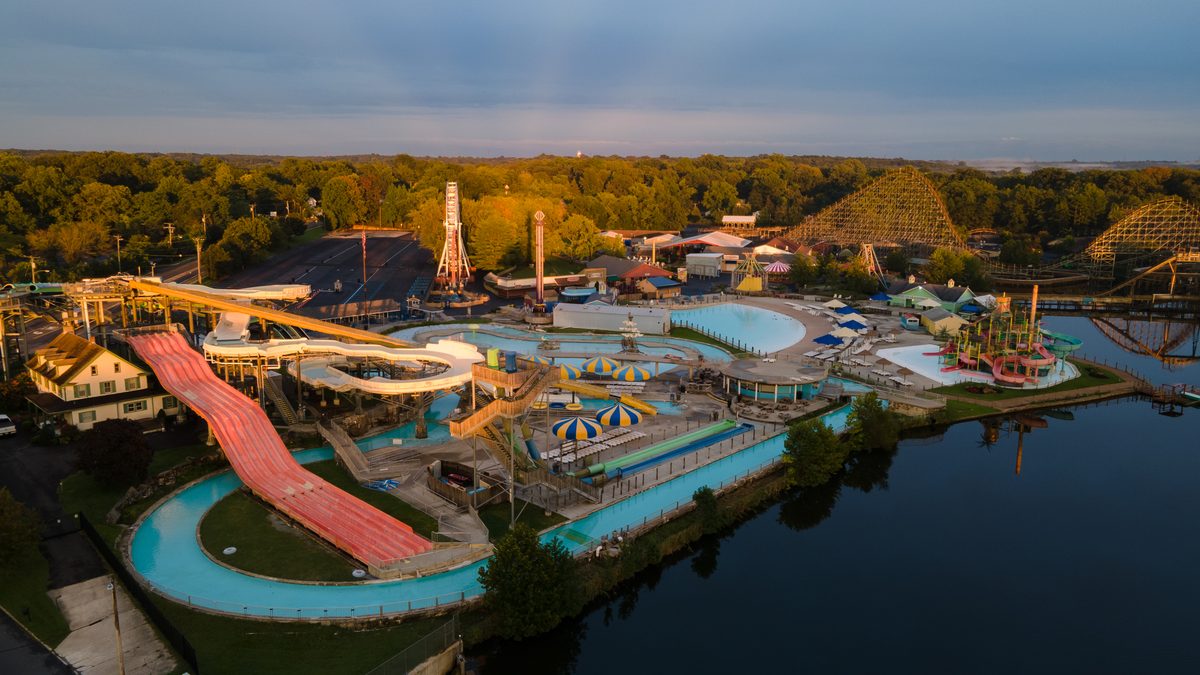
CLEMENTON, N.J. – There was always something different about Clementon Park.
It wasn’t Six Flags. It wasn’t trying to be.
For generations of New Jersey families, that was part of its appeal: an old-fashioned amusement park tucked beside a lake in Camden County, with a wooden roller coaster, carousel, Ferris wheel, kiddie rides and later a water park. Parents who had gone there as children could return years later with children of their own.
I did exactly that.
Years ago, I took my children to Clementon Park and remember it as a quaint, old-fashioned place — the kind of smaller family amusement park that was already becoming harder to find.
Now its gates are closed again.
Clementon Park & Splash World announced Wednesday that it has ended operations after the 2026 season and will be offered for sale. Its final scheduled operating day was Labor Day, Sept. 7.
“After five memorable years, we are saddened to announce that we have made the difficult decision to close the park and plan to offer the park for sale,” the owners announced.
For a place that opened in 1907, those words carry considerably more weight than the closing of another seasonal attraction.
Clementon Park Has Been Here Since 1907
Clementon Park began during an entirely different era of American entertainment.
Theodore B. Gibbs and his sons established the park along Clementon Lake in 1907, during the heyday of trolley parks — amusement destinations built at or near the ends of streetcar lines to encourage weekend ridership.
More than a century later, Clementon was among the dwindling number of surviving American amusement parks with roots in that period.
It survived a devastating 1931 fire.
It survived the rise of automobiles, suburban shopping centers, television, destination theme parks and the massive corporate amusement complexes that changed what Americans expected from a day at an amusement park.
And it changed with them.
Splash World arrived in the 1990s, adding water attractions to a park whose identity had been built around traditional rides. In more recent years, families could find the Hellcat wooden roller coaster, Dragon Coaster, Sea Dragon, Scrambler, Tilt-a-Whirl, Grand Carousel, C.P. Huntington Railway and Giant Gondola Wheel alongside the water park.
Some of those names sound almost like a roll call from another era.
That is precisely what made Clementon unusual.
The Park Already Came Back From the Dead Once
This isn’t Clementon’s first goodbye.
The park abruptly failed to reopen after the 2019 season as its previous ownership encountered financial trouble. The property eventually headed to foreclosure auction, leaving rides, buildings and more than a century of history sitting behind locked gates.
For a while, it appeared Clementon might be finished.
Then came an unlikely rescue.
IB Parks & Entertainment acquired the property in 2021 for approximately $2.37 million and began repairing and preparing the neglected park. Clementon reopened that June after nearly two years without visitors.
It was the kind of comeback historic amusement parks rarely get.
Gene Staples, whose company had also rescued Indiana Beach, said after acquiring Clementon that the park immediately reminded him of the kind of amusement park he knew growing up.
“The minute I saw it in person, I knew we needed to do it,” Staples said at the time. “I’d never been there before, but it reminded me of where I grew up.”
Five seasons followed.
Then, this week, another closing announcement.
Owners Hope Someone Will Save Clementon Again
The announcement doesn’t necessarily mean the rides will be torn down or the property redeveloped.
Not yet.
The owners say they intend to sell Clementon and specifically expressed hope that someone will buy it with preservation in mind.
“It has been a privilege to care for a place that has meant so much to generations of families,” the park said. “We are hopeful that we will find a buyer who shares our love for Clementon Park and will carry its history and legacy forward.”
That sentence may be the most important one in the announcement.
The 52-acre property is valuable land, and a sale doesn’t guarantee that the next owner will operate an amusement park. No buyer has been announced, and additional details about the sale are expected later.
For now, Clementon is back in the uncertain position it occupied five years ago: closed, for sale and waiting to find out whether its history is enough to save its future.
“Thank you for the memories, the support and five wonderful seasons,” the owners said. “We are truly grateful to everyone who has been part of this journey.”
New Jersey Has Lost Plenty of Amusement Parks
Clementon’s uncertain future also touches a larger piece of New Jersey history.
Long before giant regional theme parks dominated the business, New Jersey was dotted with smaller amusement parks and lakeside attractions. Families didn’t necessarily plan vacations around them. They went for an afternoon or a Saturday night.
Many disappeared.
Olympic Park in Irvington closed in 1965. Palisades Amusement Park, once one of the most famous amusement parks in America, closed in 1971 and was eventually replaced by high-rise development. Bertrand Island Amusement Park on Lake Hopatcong lasted until 1983.
Other names survive mostly in old postcards, family photographs and memories.
At the Jersey Shore, amusement traditions remain alive in places such as Wildwood, Ocean City, Seaside Heights and Point Pleasant Beach. But Clementon represented something slightly different — an inland, neighborhood-scale amusement park that somehow kept going for 119 years.
That is why this closing feels different.
A roller coaster can be dismantled. Land can be sold. A parking lot, warehouse, apartments or another development can occupy the same acreage.
What can’t easily be recreated is a place where several generations of the same family remember riding the carousel, getting soaked at the water park or taking a child on his or her first amusement ride.
Clementon has already proven once that closing doesn’t necessarily mean dying.
Clementon’s uncertain future comes just two years after New Jersey lost another multigenerational amusement landmark. Gillian’s Wonderland Pier in Ocean City closed in October 2024 after nearly a century of Gillian family amusement history on the Boardwalk.
Owner Jay Gillian, whose family had operated amusements in the resort since 1929, said the business was no longer financially viable, bringing an emotional end to a place where generations of Shore families had ridden the Giant Wheel and other attractions. The loss of Wonderland Pier — followed now by another shutdown at 119-year-old Clementon Park — shows how quickly New Jersey’s remaining old-school, family amusement parks can disappear.
In 2021, somebody bought it, repaired it and opened the gates again.
Five years later, one of New Jersey’s oldest amusement parks is waiting for somebody to do it one more time.
- How Pennsylvania Lured One of New Jersey’s Largest Companies Across the Delaware
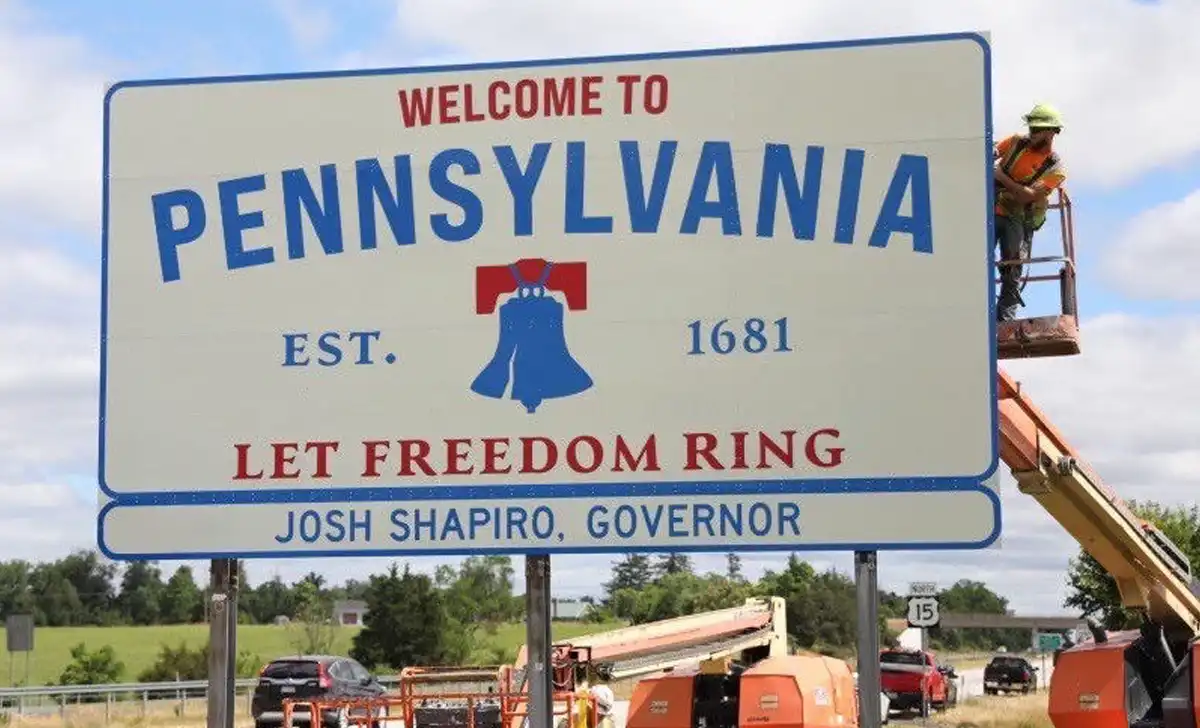
BURLINGTON TOWNSHIP, N.J. – Pennsylvania didn’t just land another corporate headquarters last week. It took one of New Jersey’s most recognizable Fortune 500 companies from across the Delaware River — and Gov. Josh Shapiro is making no secret of the fact that his administration went after the win.
When George Washington crossed the Delaware, it was to conduct a surprise raid on British forces in Pennsylvania. When Gov. Shapiro crossed the Delaware, it was to conduct a secret raid against New Jersey’s major industrial centers, except this time, it was done willingly.
Burlington Stores is leaving its longtime Burlington County headquarters for Philadelphia, where the company plans to invest $370 million and eventually employ as many as 2,000 people. Pennsylvania and Philadelphia put together roughly $38 million in financial support to help make the relocation happen.
- Pennsylvania committed $30 million to Burlington’s Philadelphia headquarters project, with the city putting together another roughly $8 million in support.
- Burlington plans to relocate about 1,500 existing employees to Philadelphia and add approximately 500 more.
- New Jersey’s own business community says the loss should force Trenton to confront taxes and policies that make the state less competitive.
For Pennsylvania Gov. Josh Shapiro, it is a major economic development victory. For New Jersey Gov. Mikie Sherrill, it is an early and highly visible corporate loss to a neighboring state led by a fellow Democrat.
Shapiro: ‘Pennsylvania Is Competing to Win’
Shapiro’s administration isn’t describing Burlington’s relocation as something that simply fell into Pennsylvania’s lap. Shapiro doesn’t care if his neighbor to the east is a fellow Democratic Party-led state.
It is calling it a win.
“Pennsylvania is competing to win — and today, we’re delivering a major win for Philadelphia and our Commonwealth,” Shapiro said while announcing Burlington’s move.
The governor said his administration deliberately uses public investment to make Pennsylvania more attractive to major employers.
“Our economic development strategy makes smart, targeted investments to make choosing Pennsylvania an easy yes for major companies like Burlington, create good-paying jobs in our Commonwealth, and strengthen our communities,” Shapiro said.
“It’s working — and we’re going to keep showing the world that Pennsylvania is open for business.”
Pennsylvania is backing those words with money.
The Commonwealth committed $30 million to Burlington’s project, including a $20 million Redevelopment Assistance Capital Program grant and $10 million through the Pennsylvania First Program.
Philadelphia assembled additional assistance, including a $7 million forgivable loan and transit support for Burlington employees.
The company will purchase 3151 Market Street in West Philadelphia for its new corporate headquarters.
Burlington CEO Says Pennsylvania’s Pitch Was ‘Extremely Compelling’
Burlington CEO Michael O’Sullivan’s own explanation shows that government policy was part of the company’s decision.
“We are very excited to be relocating our corporate headquarters to Philadelphia,” O’Sullivan said.
He said Burlington considered different locations as it searched for a new corporate home.
“We were strongly attracted to the energy, talent, and infrastructure that Philadelphia has to offer,” O’Sullivan said.
But the company’s CEO also specifically credited the political leadership on the other side of the Delaware River.
“We found the vision and priorities articulated by the Mayor and the Governor extremely compelling — fiscal health, education and training, and economic opportunity for all,” O’Sullivan said.
That is a difficult statement for New Jersey officials to ignore.
Burlington wasn’t merely offered office space in Philadelphia. Pennsylvania and city officials made a coordinated pitch backed by tens of millions of dollars and an economic development strategy designed to convince the company to move.
New Jersey Business Group Warns State Policies Are Part of the Problem
The New Jersey Business & Industry Association responded to Burlington’s departure with an unusually pointed warning.
“It is very sad that New Jersey is losing Burlington Stores, which is an iconic brand in our state named for one of our own municipalities, as well as another Fortune 500 company,” NJBIA President and CEO Michele Siekerka said.
Siekerka acknowledged that major companies relocate for many reasons.
But she said New Jersey should not dismiss the role its own policies play when employers decide where to invest.
“We cannot and should not ignore the impact our state’s tax policies and anti-business policies have on our overall competitiveness,” Siekerka said.
She also warned that the loss goes beyond the employees physically moving across the river.
“Nor should we diminish the loss of executive presence in our state, the number of new jobs that New Jersey will not have, and the amount of property tax lost from a 441,000-foot facility,” Siekerka said.
That gets to the larger economic issue facing New Jersey.
A corporate headquarters brings more than the jobs currently inside the building. It brings executives, future hiring, professional services, vendors, business spending and the possibility that future corporate expansion will happen nearby.
Once the headquarters moves, Pennsylvania becomes the home state competing for those future investments.
Sherrill Administration Admits New Jersey Is Too Hard to Do Business In
Sherrill’s administration did not try to pretend Burlington’s departure was good news.
The governor’s office said it was “disappointed by Burlington’s decision to relocate its headquarters.”
More significantly, the administration acknowledged the broader problem facing companies operating in New Jersey.
“Governor Sherrill has been clear that she is committed to making New Jersey the best place to start and grow a business, but right now, it is simply too hard to do business in our state,” the governor’s office said.
That admission puts Burlington’s departure into a much larger policy debate.
The Sherrill administration has identified lengthy permitting processes, complicated regulations and unnecessary delays as obstacles to investment and expansion in New Jersey.
Sherrill has said her administration wants to streamline permitting, increase government accountability and work more directly with businesses.
But Burlington made its decision now.
And Pennsylvania was ready.
Pennsylvania Is Actively Hunting for Corporate Investment
Burlington’s relocation matters because it isn’t an isolated Pennsylvania victory.
Shapiro’s administration has built its economic development strategy around aggressively competing for private investment.
“Pennsylvania is aggressively competing for, and winning, the biggest economic development projects in the country because we’re making strategic investments giving companies confidence that they will thrive here,” Shapiro said after announcing Burlington and other recent investments.
The administration says it has secured more than $43 billion in private-sector investment associated with nearly 29,000 jobs since Shapiro took office.
Some of those victories have come directly from New Jersey.
Eos Energy Enterprises moved its corporate headquarters from New Jersey to Pittsburgh as part of a major Pennsylvania expansion backed by state assistance.
Adare Pharma Solutions also moved its headquarters from New Jersey to Philadelphia with Pennsylvania economic development support.
Now Burlington joins that list.
The pattern gives New Jersey policymakers something larger to consider than one company’s relocation.
Pennsylvania knows there are major employers just across the river, and it has demonstrated that it is willing to spend money and actively recruit them.
Burlington’s Departure Hits Differently in Burlington County
There is an added sting to losing this particular company.
Burlington Stores opened its first store in Burlington in 1972 and has spent more than half a century tied to the community whose name it carries.
Its headquarters in Burlington Township made the company one of the most recognizable corporate names associated with South Jersey.
Burlington will retain substantial operations in New Jersey, including stores, warehouses and distribution operations. The company employs thousands of people across the state and has not announced an overall withdrawal from New Jersey.
But the headquarters is leaving.
Approximately 1,500 existing employees are expected to relocate to Philadelphia, with Burlington planning to add about 500 more as its Pennsylvania headquarters grows.
Those 500 future headquarters jobs are particularly important.
They are jobs that will now be created in Pennsylvania rather than New Jersey.
Pennsylvania deliberately competed for Burlington’s headquarters.
Shapiro said Pennsylvania is “competing to win” and credited targeted government investments with helping the state secure major corporate projects.New Jersey business leaders say state policy cannot be ignored.
NJBIA President Michele Siekerka specifically pointed to New Jersey’s tax and “anti-business policies” when discussing the state’s competitiveness after Burlington’s decision.Sherrill’s administration acknowledges New Jersey has a business problem.
The governor’s office said it was disappointed by Burlington’s move and acknowledged that “right now, it is simply too hard to do business in our state.”Sources: Pennsylvania Gov. Josh Shapiro; Burlington Stores CEO Michael O’Sullivan; New Jersey Gov. Mikie Sherrill’s Office; New Jersey Business & Industry Association.
- New Jersey Loses Another Major Business as Sherrill Corporate Exodus Continues
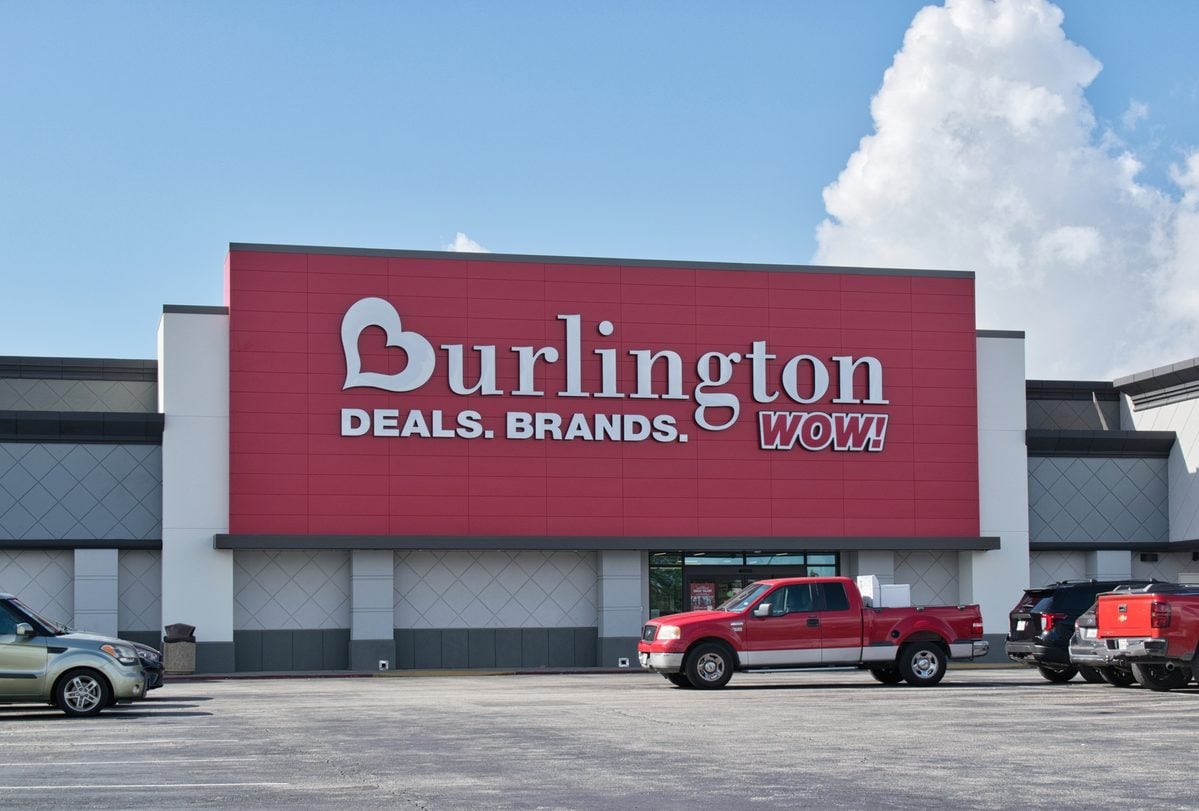
BURLINGTON TOWNSHIP, NJ — Burlington Stores, one of America’s fastest-growing retailers, can’t handle New Jersey anymore and is taking its corporate headquarters and roughly 1,600 employees across the Delaware River, handing South Jersey another major economic loss.
Philadelphia wins, and New Jersey suffers another major corporate financial and job-related setback under Governor Mikie Sherrill.
They’re leaving in swarms.
The Fortune 500 retailer announced Thursday that it will invest about $370 million in a new headquarters at 3151 Market Street in Schuylkill Yards, a sprawling development in West Philadelphia.
The move will take years.
Burlington expects to begin relocating employees in phases no earlier than late 2028 or early 2029, eventually supporting at least 2,000 Philadelphia jobs within five years.
Several hundred would be new hires.
The company does not expect the move to cause an overall reduction in employment, and its New Jersey stores, warehouses and distribution centers will continue employing thousands of workers.
The corporate jobs are leaving.
Burlington’s departure carries added weight in Burlington County, where the company has maintained its headquarters for decades after opening its first store in Burlington in 1972.
Pennsylvania put money on the table. New Jersey put new corporate taxes, rising energy costs, soaring property taxes, minimum wage hikes, and expensive social programs on the table.
It wasn’t a hard decision to make.
Gov. Josh Shapiro’s administration offered Burlington $20 million through the Redevelopment Assistance Capital Program and another $10 million through a Pennsylvania First grant.
Philadelphia added more incentives.
The city offered a $7 million forgivable loan and a Job Creation Tax Credit award, while regional transportation agencies proposed discounted commuting benefits for Burlington employees.
Burlington CEO Michael O’Sullivan praised what the company found across the river.
“We are one of the fastest growing retailers in America, and as we evaluated different options for our new corporate home, we were strongly attracted to the energy, talent, and infrastructure that Philadelphia has to offer,” O’Sullivan said.
Then came the political contrast.
O’Sullivan said Burlington found the “vision and priorities” presented by Shapiro and Philadelphia Mayor Cherelle Parker “extremely compelling,” specifically citing fiscal health, education, workforce training and economic opportunity.
Burlington coat factory started in new jersey and grew into an international brand. He did not name Gov. Mikie Sherrill, but everyone in the room knew what he was talking about.
His comments landed as an unmistakable comparison between the Pennsylvania leaders who secured the headquarters and the New Jersey administration losing it.
Sherrill’s office acknowledged the problem.
“Governor Sherrill has been clear that she is committed to making New Jersey the best place to start and grow a business, but right now, it is simply too hard to do business in our state,” the governor’s office said.
The administration blamed lengthy permitting, confusing regulations and needless delays for making investment, expansion and job creation more difficult inside New Jersey.
Burlington has not disclosed every factor considered in their decision that sent the Jersey brand across the Delaware River.
The company said Philadelphia offered the energy, workers and infrastructure it wanted, while Pennsylvania and city officials supplied at least $37 million in direct financial assistance.
The departure does not stand alone. It’s part of an overall trend shaking the Garden State under Governor Mikie Sherrill.
New Jersey Republican leader Declan O’Scanlon said the mass exodus is a result of policies and laws put in place by Democrats and Governor Mikie Sherrill.
“Democrats’ argument that our polices don’t impact business and individual decisions is such a load of crap,” he said. “The steady stream of business and job relocations out of state is tragic. And self inflicted.”
Samsung Electronics America announced in June that it would move its U.S. headquarters from Englewood Cliffs to Plano, Texas, affecting 739 positions listed in a state WARN notice.
“High taxes. Rising cost of living. Hostile business environment,” said Mario Kranjac, former Mayor of Englewood Cliffs and former candidate for governor. “Is it a surprise that businesses are leaving New Jersey?”
Samsung said the figure included employees offered transfers to Texas and workers affected by a broader corporate restructuring, making the filing a mix of relocations and eliminated positions.
Mars Wrigley followed in July.
The candy company filed notice that it would close its Newark headquarters and eliminate 307 jobs while consolidating corporate operations in Chicago.
Its Hackettstown plant will remain open.
Together, Burlington, Samsung and Mars place about 2,646 New Jersey corporate positions in play, although many Burlington and Samsung jobs are moving instead of disappearing.
Layoffs reduce employment, while headquarters relocations also strip communities of executives, professional workers, future hiring, local spending and influence over later corporate investment.
The wider employment numbers remain rough.
New Jersey recorded 84 WARN notices affecting 9,242 workers through July 2026, compared with 59 notices covering 8,571 workers during the same period last year.
That is 25 more major layoffs.
The state’s July employment report also showed 19,600 fewer nonfarm jobs than one year earlier, including a net decline of 20,000 private-sector positions.
Several major industries lost ground.
Leisure and hospitality shed 12,800 jobs year over year, while trade, transportation and utilities lost 8,000 and professional and business services dropped by 7,000.
Construction lost another 4,900 jobs.
Information employment fell by 4,100 positions, manufacturing declined by 3,800 and financial activities recorded 3,300 fewer jobs than in July 2025.
State labor officials urged caution.
They said July’s unusually steep monthly decline was probably overstated because seasonal adjustments did not fully account for normal declines in professional services and survey response rates were lower than expected.
The WARN filings remain concrete.
FreshRealm listed 628 affected workers in Linden, Accupac reported 260 in Lakewood and Danone North America filed notice covering 114 positions in Bridgeton.
Shore communities took hits, too.
OceanFirst Bank previously eliminated 114 positions after leaving direct residential mortgage origination and shifting that work to Embrace Home Loans.
Pharmaceutical companies announced deeper reductions.
Novo Nordisk filed notice affecting 811 workers in Plainsboro, while four Novartis filings announced during 2026 covered 572 positions in East Hanover.
Verizon reported multiple Basking Ridge reductions.
Three filings issued during 2026 covered 473 positions, and Bristol Myers Squibb listed hundreds more at its Lawrence Township operation as part of a broader restructuring.
Headquarters moves tell a different story.
Burlington is taking 1,600 corporate workers to Pennsylvania, Samsung is shifting its American headquarters to Texas and Mars is closing its Newark headquarters for consolidation in Illinois.
Burlington will leave last.
Its employees are scheduled to begin crossing into Philadelphia no earlier than late 2028 or early 2029.