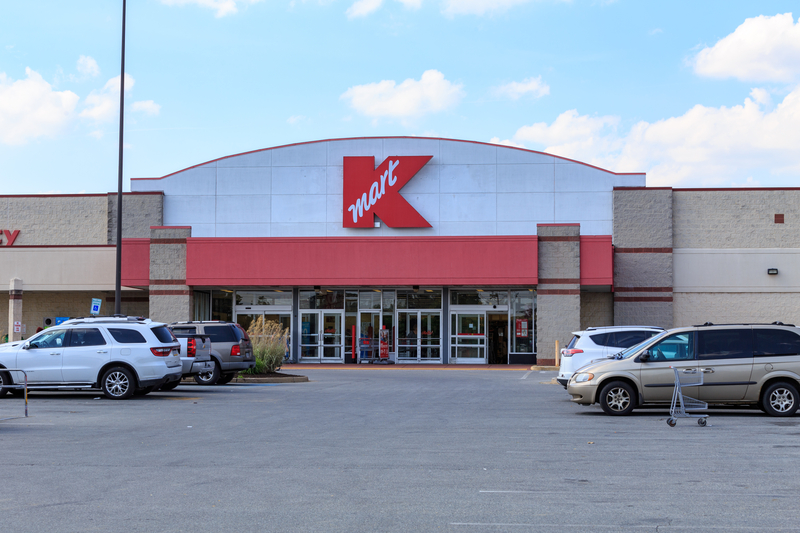
BRIDGEHAMPTON, N.Y. — The Kmart store in Bridgehampton, located on Montauk Highway (Route 27), will close its doors on Sunday, Oct. 20, according to a store employee. The announcement was reported by NBC affiliate WJAR in Providence on Sunday.
This closure marks the end of Kmart’s presence in New York. The retail chain, which operated roughly 2,500 stores at its peak in the early 1990s, has steadily shuttered locations in recent years following its 2005 merger with Sears.
The Bridgehampton closure follows the earlier shutdown of the last two full-size Kmart stores in New Jersey, located in Westwood and Avenel.
Did you know? Kmart: Officially Dead in America, but Thriving in Australia and New Zealand
Only a smaller format store in Miami, Florida, remains open, according to reports.
The Rise and Fall of Kmart: From Retail Giant to a Distant Memory
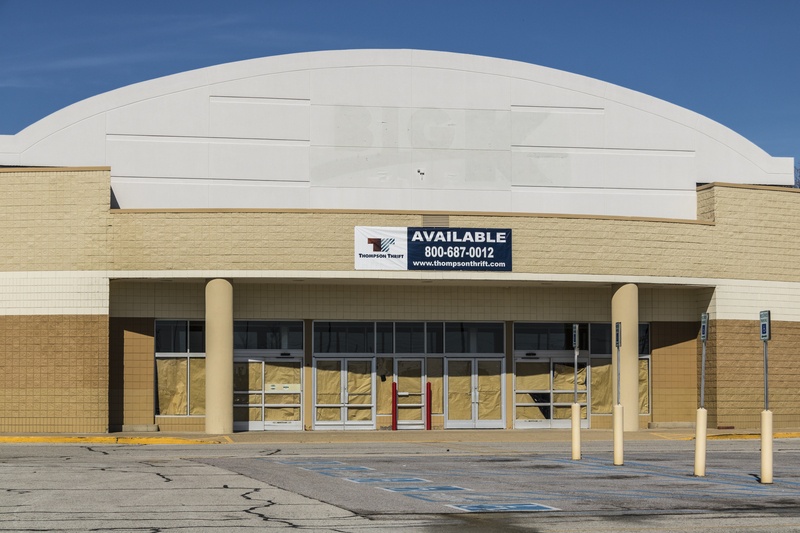
Once upon a time, before we all became obsessed with two-day shipping and Black Friday doorbusters, there was Kmart. If you grew up in the ’80s or ’90s, chances are you have vivid memories of roaming the aisles, eyes wide as you explored everything from home goods to snack aisles that always smelled vaguely like plastic and popcorn. But Kmart’s story is one of highs and lows, a retail rollercoaster that shaped American shopping for decades.
So, how did Kmart go from being an everyday staple to a nostalgic relic? Buckle up, because this story has it all: success, innovation, missteps, and even a little corporate drama.
The Humble Beginnings: Kresge to Kmart
It all began in 1899 with a man named Sebastian Spering Kresge. Kresge opened a five-and-dime store in Detroit that sold everyday items for—get this—either five or ten cents. Think of it as an early Dollar Store before Dollar Stores were a thing. By the mid-20th century, his chain of stores was thriving, but the retail landscape was shifting.
So, in 1962, Kresge’s company took a bold step and launched its first Kmart store in Garden City, Michigan. Right off the bat, it was a hit. The timing couldn’t have been more perfect; America was in the middle of a suburban boom, and families needed affordable, one-stop shopping. Kmart had something for everyone—clothing, toys, home goods, and a little bit of everything else.
By the end of the ’60s, there were over 160 Kmart stores across the U.S.
The Glory Days: Blue Light Specials and Success
Kmart’s heyday came in the ’70s and ’80s. This was peak “Blue Light Special” territory. Picture it: You’re browsing the toy section when suddenly, a voice comes over the loudspeaker announcing a Blue Light Special in aisle seven. The flashing blue light would descend, and boom—you’d score a serious deal on something completely random, like socks or kitchen gadgets.
It was this sense of excitement that kept shoppers coming back. In fact, Kmart became such a cultural icon that the phrase “Attention, Kmart shoppers” is still instantly recognizable, even though you probably haven’t heard it in years.
By 1981, Kmart was opening an average of one new store per week. It was everywhere, and everyone knew it. There were over 2,000 stores in the U.S. alone. Kmart was dominating the game, outselling its biggest competitors and cozying up to middle-class America with its unbeatable prices and all-encompassing inventory.
The store even had its own exclusive brands, like Martha Stewart Living and the infamous Jaclyn Smith clothing line. For a while, it seemed like nothing could stop Kmart.
Trouble in Paradise: Walmart, Target, and the Downfall
As you might expect, the retail world was not going to stay stagnant forever. By the late ’80s and early ’90s, trouble was brewing. Kmart wasn’t the only discount giant in town anymore. Walmart and Target started gaining momentum, and both had more aggressive pricing strategies and a more modern look.
Walmart in particular was proving to be a dangerous competitor. While Kmart kept building bigger and flashier stores, Walmart focused on efficiency—lower prices, better supply chains, and a no-frills shopping experience. By the mid-’90s, Walmart had surpassed Kmart in sales, and Kmart was left scrambling to catch up.
To make matters worse, Kmart struggled to adapt to the changing times. Stores were outdated and often disorganized, while Walmart and Target invested in sleeker, cleaner layouts that appealed to the new generation of shoppers. The rise of e-commerce also started to chip away at traditional brick-and-mortar stores, and Kmart didn’t move quickly enough to capture the online market.
The Bankruptcy and Attempted Comebacks
By the early 2000s, Kmart was in serious trouble. In 2002, they filed for bankruptcy. The company tried to bounce back by merging with Sears in 2005, hoping that two struggling giants could somehow form one successful company. Spoiler alert: it didn’t work.
Despite attempts to rebrand and modernize, Kmart’s fate was already sealed. The company closed hundreds of stores over the next decade, and by the mid-2010s, Kmart was more of a sad reminder of its former glory.
The few remaining stores felt like ghost towns—sparse shelves, outdated decor, and a general sense of “what happened here?”
The Final Fade-Out
As of 2024, Kmart is on life support, with only a handful of stores left in the U.S. The brand that once defined discount shopping is all but extinct, its history living on through the memories of nostalgic shoppers and the occasional viral tweet.
But even as Kmart fades into the retail background, its impact on American consumer culture is undeniable. It paved the way for the big-box stores of today and set the standard for the one-stop-shop experience that places like Walmart and Target have mastered.