Thanksgiving is packed with traditions we hold near and dear—turkey dinners, family feasts, and that perfect balance of gratitude and gluttony. But just like your uncle’s tall fishing stories, a lot of what we “know” about Thanksgiving is more fiction than fact.
Let’s bust some of the most common Thanksgiving myths that have been passed around like a bowl of mashed potatoes.
Myth 1: The Pilgrims Ate Turkey at the First Thanksgiving
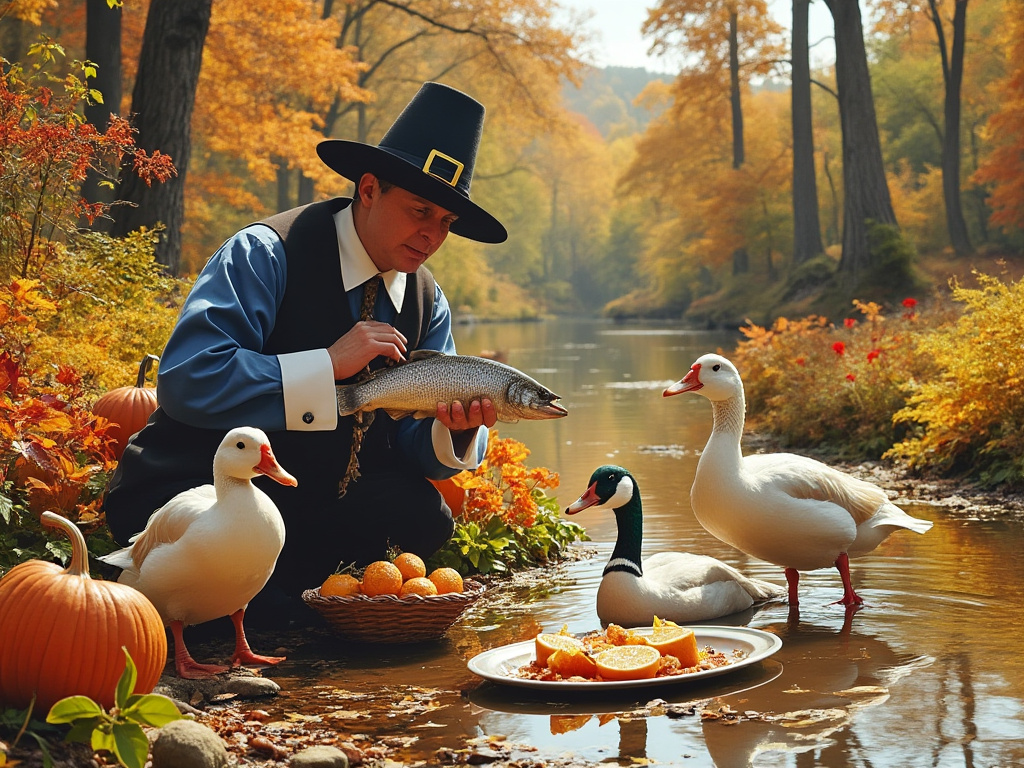
When you think “Thanksgiving,” the iconic roasted turkey probably comes to mind. But here’s the thing: there’s no solid evidence that turkey was even on the menu at the first Thanksgiving in 1621. Historical records from the Pilgrims’ feast mention venison, wildfowl (probably ducks or geese), and seafood like fish, clams, and lobsters.
Turkey didn’t become a Thanksgiving staple until the 19th century, thanks in part to Sarah Josepha Hale (a writer and magazine editor) campaigning to make turkey the centerpiece of the holiday meal.
Myth 2: Thanksgiving Has Always Been Celebrated in November
The Pilgrims didn’t circle the fourth Thursday of November on their calendars. For one, they didn’t have calendars as we know them. For another, the first Thanksgiving likely happened in late September or early October to celebrate the harvest season.
Thanksgiving didn’t get its official November date until President Abraham Lincoln declared it a national holiday in 1863. Even then, it was celebrated on different dates until President Franklin D. Roosevelt set the fourth Thursday as the official date in 1941.
Myth 3: The Pilgrims Wore Buckles and Black Hats
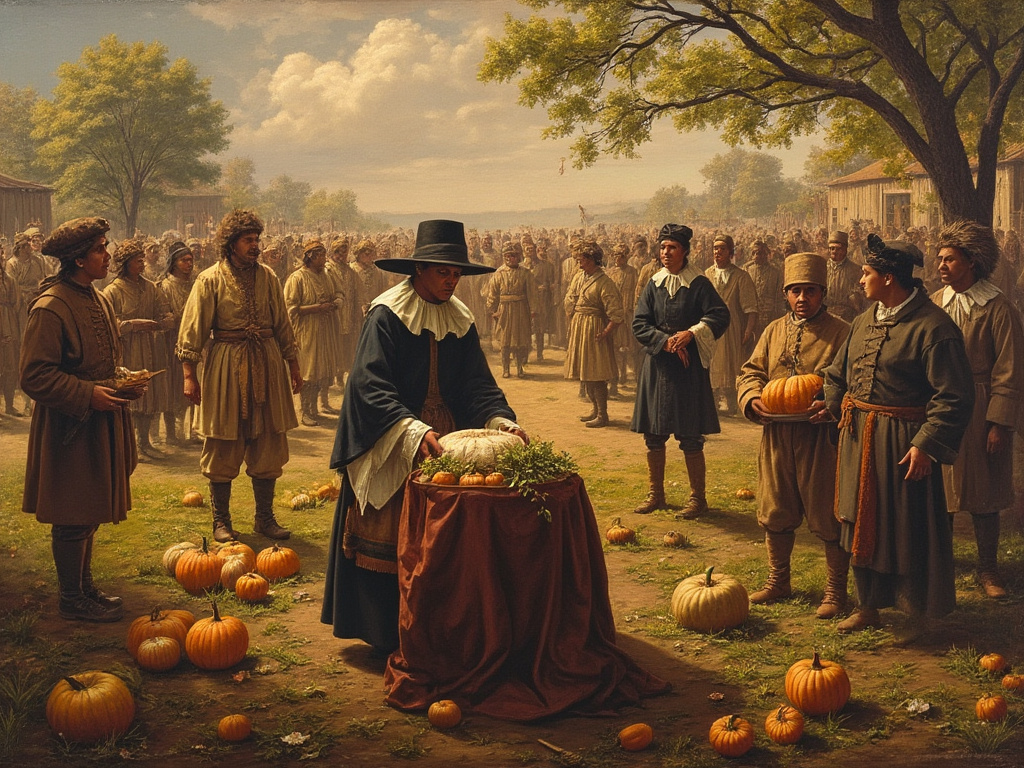
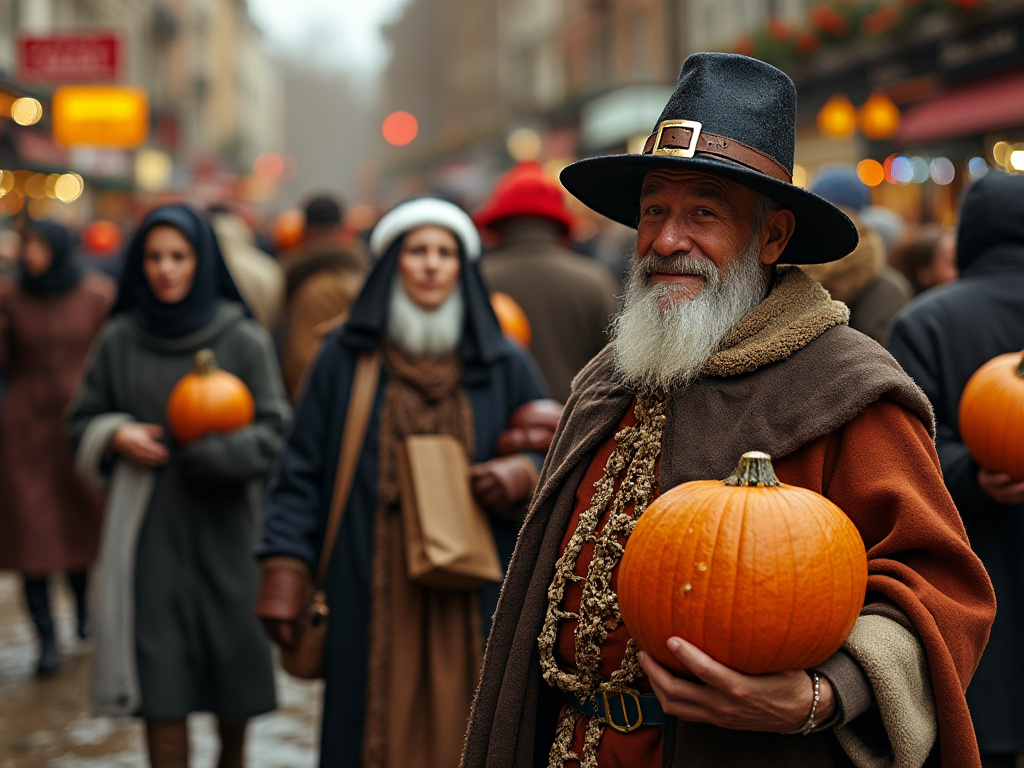
Ah, the classic Pilgrim look: black outfits, shiny buckled shoes, and those distinctive tall hats. Turns out, this is more costume than historical fact. The Pilgrims’ clothing was far more practical and colorful, made from earthy browns, greens, and other muted tones.
The buckle obsession didn’t become a thing until much later, thanks to 19th-century art and illustrations romanticizing the Pilgrims’ look.
Myth 4: The First Thanksgiving Was a Peaceful Gathering
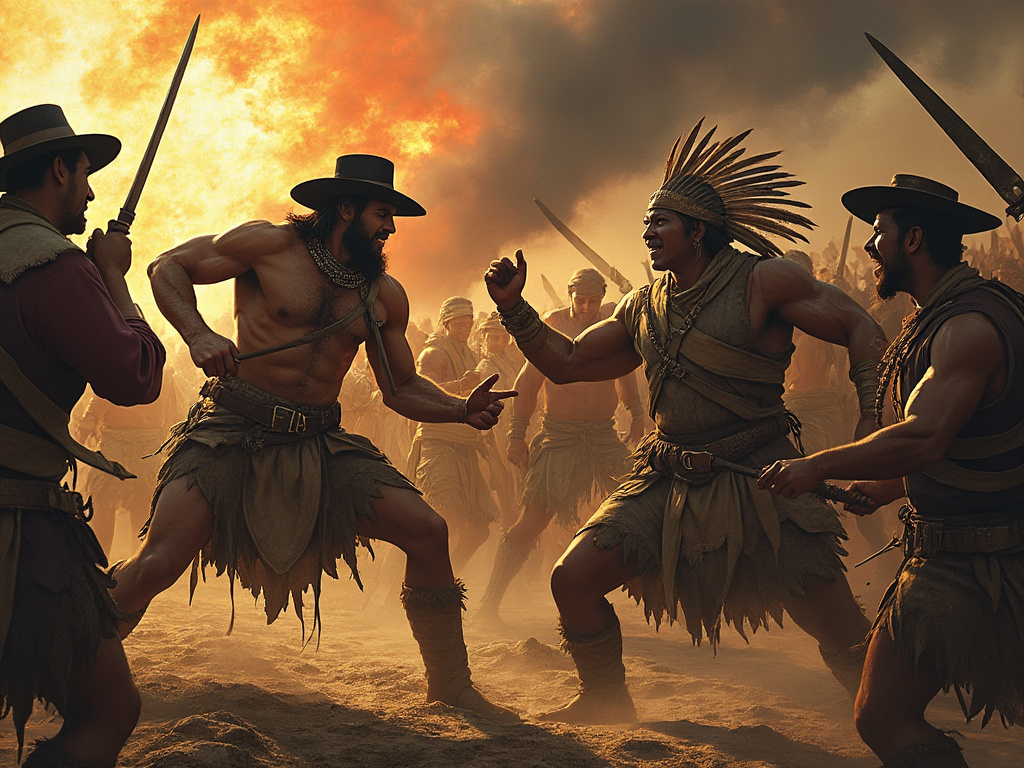
While the 1621 feast between the Pilgrims and the Wampanoag people is often portrayed as a harmonious celebration of friendship, the real story is much more complicated. The Wampanoag and the Pilgrims did share a meal, but their relationship was marked by tension, mutual mistrust, and struggles for survival.
It’s also important to note that the Wampanoag people played a critical role in helping the Pilgrims through their first harsh winter—something that’s often overlooked in traditional Thanksgiving narratives.
Myth 5: Tryptophan in Turkey Makes You Sleepy
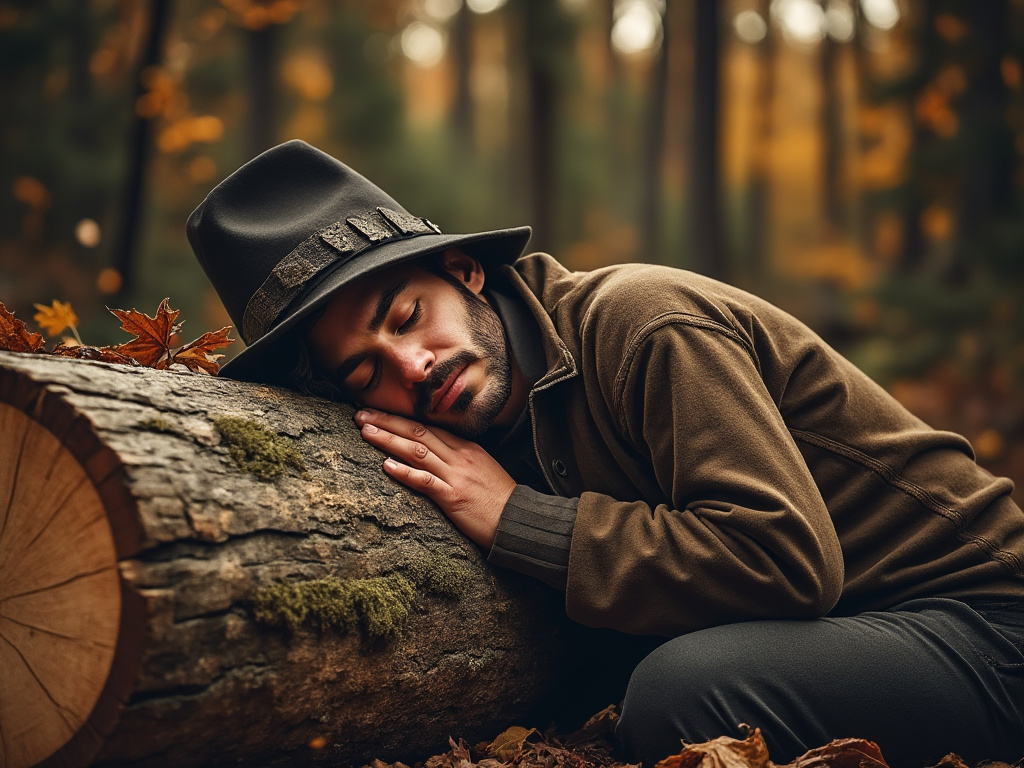
This one’s a fan favorite, and it comes up every Thanksgiving like clockwork. While turkey does contain tryptophan, so do lots of other foods like chicken, cheese, and eggs. The truth is, the post-dinner food coma is more about overeating and your body working overtime to digest all those carbs, fats, and sugars.
Blame the mashed potatoes and pie, not the bird.
Myth 6: Thanksgiving Was Immediately a Big Deal
For decades after the Pilgrims’ feast, Thanksgiving wasn’t even a widely celebrated holiday. It was more of a regional New England tradition until Sarah Josepha Hale—the same woman who helped popularize turkey dinners—started lobbying for a national Thanksgiving holiday.
Her persistence paid off when Abraham Lincoln proclaimed it a national holiday during the Civil War, partly as a way to unite a divided country.
Myth 7: Cranberry Sauce Has Always Been a Staple
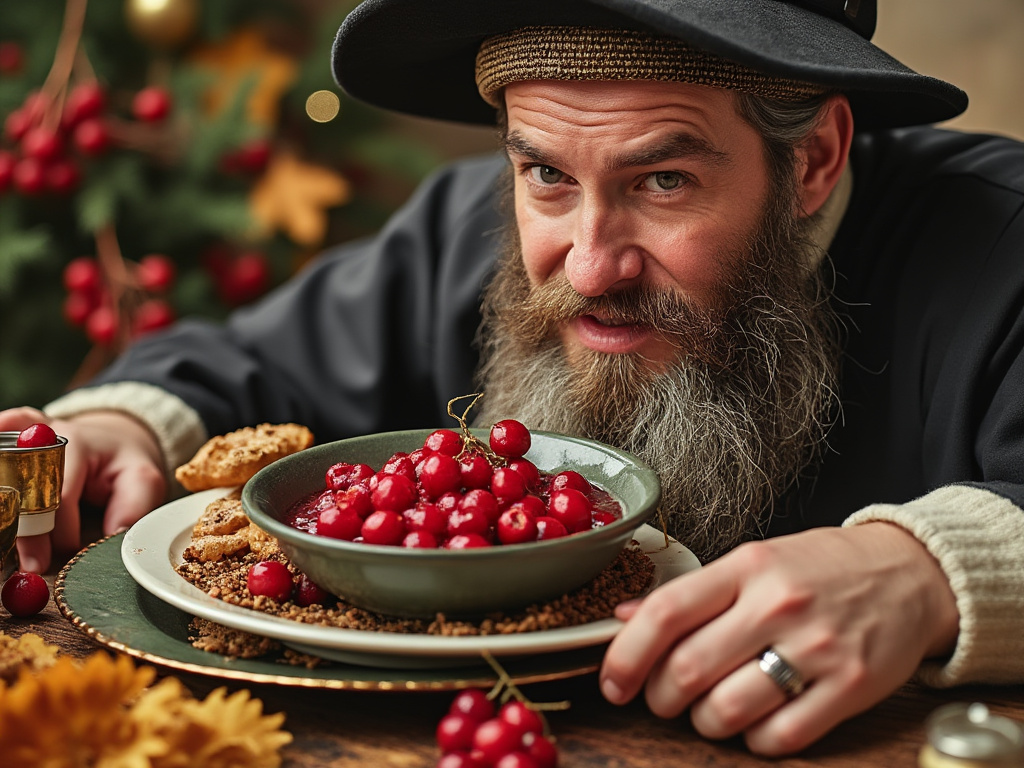
While cranberries were likely part of the Pilgrims’ diet, sweetened cranberry sauce wasn’t on the menu at the first Thanksgiving. Sugar was an expensive luxury at the time, and the tart berries would’ve been eaten plain or dried, if at all.
Canned cranberry sauce didn’t hit tables until the early 20th century, and honestly, what’s Thanksgiving without that oddly satisfying shloop as it slides out of the can?
Myth 8: Black Friday Is a Recent Invention
While Black Friday as we know it—with the doorbusters, lines, and stampedes—feels like a modern creation, the term “Black Friday” has roots as far back as the 1960s. It was originally used by Philadelphia police to describe the chaos of shoppers flooding the city after Thanksgiving.
The idea of stores using it as the kickoff to the holiday shopping season didn’t fully take off until the 1980s, when retailers embraced the term and turned it into the mega-event we know today.
Thanksgiving is a holiday rich in tradition, but it turns out some of those traditions aren’t as old—or as accurate—as we thought. The real history is a fascinating mix of myth-busting, cultural evolution, and a whole lot of turkey PR.