New Jersey drivers hit with 4.2-cent gas tax hike starting January 1
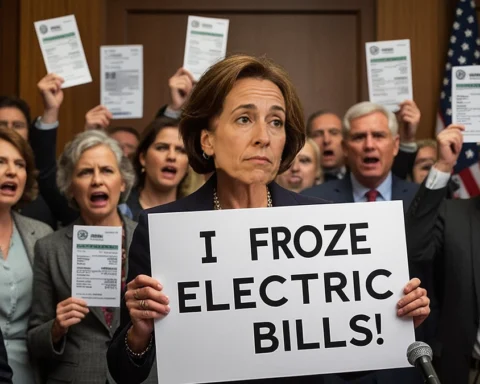
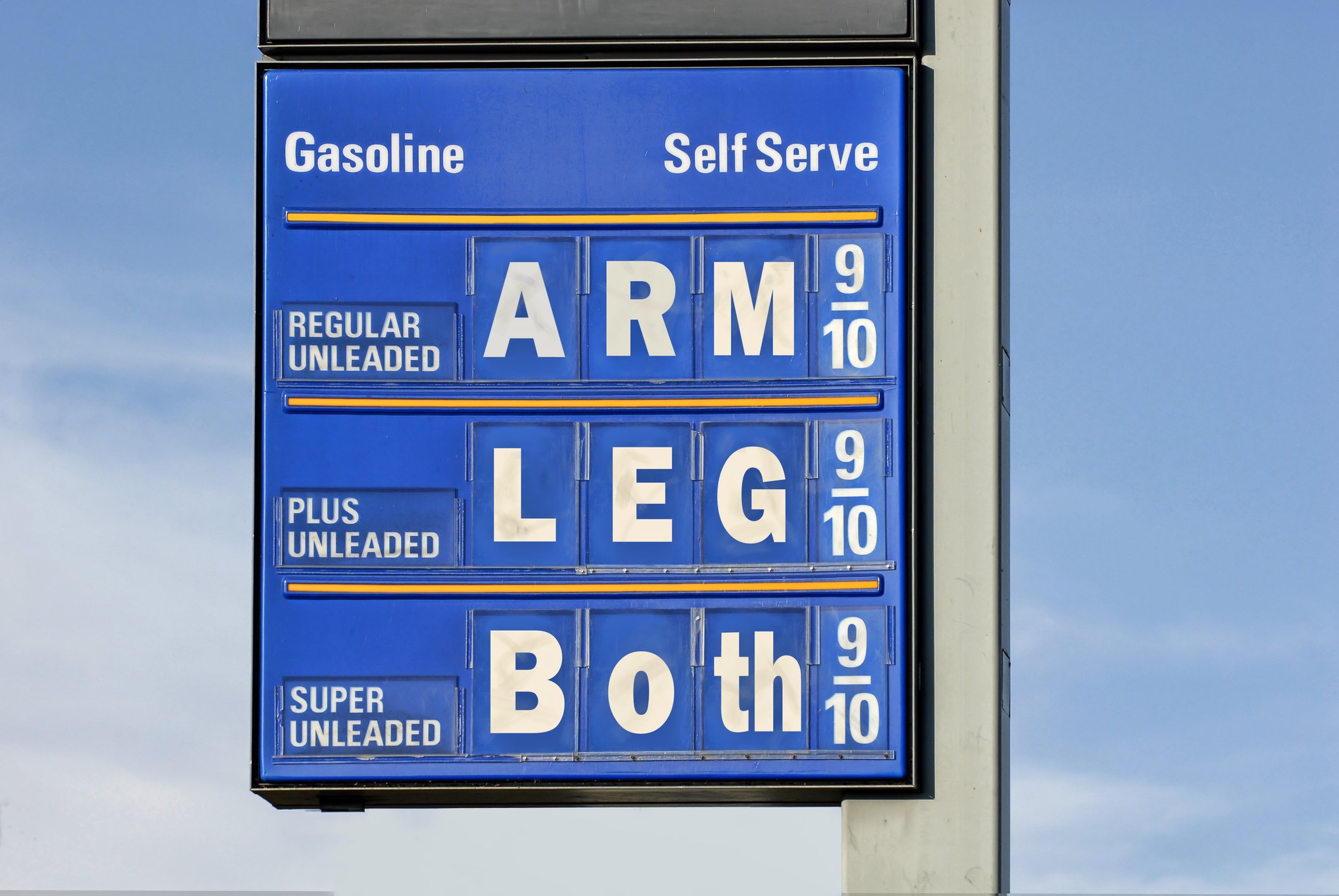
TRENTON, NJ – Electricity isn’t the only thing that’s going to cost you an arm and a leg in New Jersey when Mikie Sherrill takes her oath of office. Gasoline prices are also increasing, but if you’re a good person, you know, the kind with an actual job, you’ll pay for it.
Because you have no choice.
New Jersey motorists will pay more at the pump beginning January 1, when the state’s gas tax rises by 4.2 cents per gallon under a Treasury Department adjustment tied to transportation funding requirements.
State Treasurer Elizabeth Maher Muoio announced that the increase, mandated by law, will bring the total gas tax to 49.1 cents per gallon for gasoline and 56.1 cents for diesel fuel. The change stems from a 2024 statute that gradually raises New Jersey’s Highway Fuel Cap each year through 2029 to ensure stable funding for the Transportation Trust Fund.
The Treasury’s analysis determined that declining fuel consumption and the higher statutory revenue target require a 4.2-cent increase to meet the Fiscal Year 2026 funding level of $2.115 billion.
Funding tied to major transportation projects
Treasury officials said the adjustment is essential to sustain nearly $11 billion in transportation improvements planned over the next five years. The Transportation Trust Fund finances statewide projects including bridge repairs, highway maintenance, and local infrastructure upgrades.
“Due to the new statutory target, and because actual consumption has trended below last fiscal year’s levels, our analysis dictates a 4.2-cent increase this coming January,” Muoio said. “This dedicated funding stream continues to provide billions of dollars across the State to support our critical transportation infrastructure needs.”
How the gas tax is calculated
The state’s “gas tax” is composed of two parts — a fixed Motor Fuels Tax (10.5 cents for gasoline and 13.5 cents for diesel) and the Petroleum Products Gross Receipts Tax (PPGRT), which fluctuates each year based on fuel sales and revenue needs.
The 2026 adjustment raises the PPGRT from 34.4 to 38.6 cents per gallon for gasoline and from 38.4 to 42.6 cents for diesel fuel. Combined, these increases bring total rates to 49.1 cents and 56.1 cents per gallon, respectively.
Consumption trends drive annual changes
According to Treasury data, fuel consumption in Fiscal Year 2026 is expected to be about 1 percent lower than last year. Because the law requires the state to generate enough tax revenue to meet the Highway Fuel Cap, a decline in consumption automatically triggers a higher per-gallon rate.
The current formula was enacted in 2016 and revised by the Legislature in 2024 to provide more predictable revenue for transportation projects. Since the adjustment system began, there have been five annual increases, two decreases, and two years with no change.
What it means for drivers
While the Treasury emphasized that the hike is a technical adjustment rather than a new tax, the change will still be felt by drivers as fuel prices adjust statewide. For the average New Jersey motorist, the 4.2-cent increase translates to roughly an extra 63 cents per 15-gallon fill-up.
The gas tax revenue will continue to flow directly into the Transportation Trust Fund, which supports capital improvements for roads, bridges, and transit systems across New Jersey.
New Jersey’s gas tax will rise by 4.2 cents per gallon on January 1 to meet the state’s transportation funding target amid falling fuel consumption.
TRENTON, NJ – New Jersey motorists will pay even more at the pump beginning January 1, when the state’s gas tax rises by 4.2 cents per gallon under a Treasury Department adjustment tied to transportation funding requirements.
A $3 gallon of gas in New Jersey would cost $2.51 without the state’s exorbitant gas tax.
State Treasurer Elizabeth Maher Muoio announced that the increase, mandated by law, will bring the total gas tax to 49.1 cents per gallon for gasoline and 56.1 cents for diesel fuel. The change stems from a 2024 statute that gradually raises New Jersey’s Highway Fuel Cap each year through 2029 to ensure stable funding for the Transportation Trust Fund.
The Treasury’s analysis determined that declining fuel consumption and the higher statutory revenue target require a 4.2-cent increase to meet the Fiscal Year 2026 funding level of $2.115 billion.
Funding tied to major transportation projects
Treasury officials said the adjustment is essential to sustain nearly $11 billion in transportation improvements planned over the next five years. The Transportation Trust Fund finances statewide projects including bridge repairs, highway maintenance, and local infrastructure upgrades.
“Due to the new statutory target, and because actual consumption has trended below last fiscal year’s levels, our analysis dictates a 4.2-cent increase this coming January,” Muoio said. “This dedicated funding stream continues to provide billions of dollars across the State to support our critical transportation infrastructure needs.”
How the gas tax is calculated
The state’s “gas tax” is composed of two parts — a fixed Motor Fuels Tax (10.5 cents for gasoline and 13.5 cents for diesel) and the Petroleum Products Gross Receipts Tax (PPGRT), which fluctuates each year based on fuel sales and revenue needs.
The 2026 adjustment raises the PPGRT from 34.4 to 38.6 cents per gallon for gasoline and from 38.4 to 42.6 cents for diesel fuel. Combined, these increases bring total rates to 49.1 cents and 56.1 cents per gallon, respectively.
Consumption trends drive annual changes
According to Treasury data, fuel consumption in Fiscal Year 2026 is expected to be about 1 percent lower than last year. Because the law requires the state to generate enough tax revenue to meet the Highway Fuel Cap, a decline in consumption automatically triggers a higher per-gallon rate.
The current formula was enacted in 2016 and revised by the Legislature in 2024 to provide more predictable revenue for transportation projects. Since the adjustment system began, there have been five annual increases, two decreases, and two years with no change.
What it means for drivers
While the Treasury emphasized that the hike is a technical adjustment rather than a new tax, the change will still be felt by drivers as fuel prices adjust statewide. For the average New Jersey motorist, the 4.2-cent increase translates to roughly an extra 63 cents per 15-gallon fill-up.
The gas tax revenue will continue to flow directly into the Transportation Trust Fund, which supports capital improvements for roads, bridges, and transit systems across New Jersey.
New Jersey’s gas tax will rise by 4.2 cents per gallon on January 1 to meet the state’s transportation funding target amid falling fuel consumption.