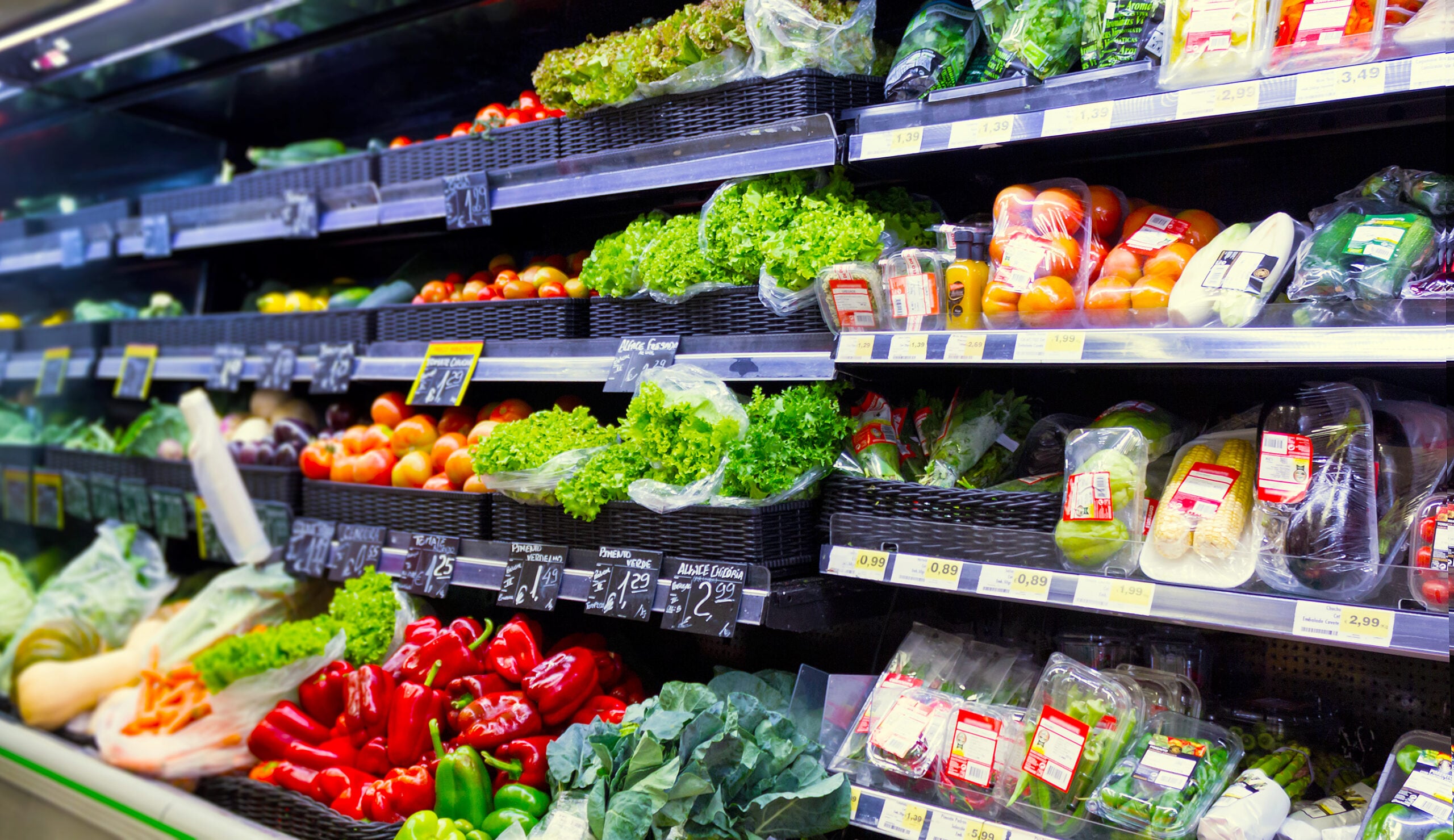
Trenton, NJ – Federal health officials are investigating a multi-state outbreak of cyclosporiasis that has sickened people across at least 34 states, while New Jersey health officials say the Garden State is not currently experiencing a recognized outbreak despite reporting approximately 80 cases this summer.
The New Jersey Department of Health said the state’s case count falls within the expected seasonal range, and no localized clusters have been identified. Officials also emphasized that no produce grown or packed in New Jersey has been linked to illnesses under investigation.
Local New Jersey produce is considered safe and has not been linked to the multistate Cyclospora outbreak. State agricultural officials confirm that all produce grown on Garden State farms is free from the parasite. Infections are typically traced back to imported fruits and vegetables
To ensure you are getting locally grown Jersey Fresh produce, you can visit local farm stands and markets.
- Organic & Local Farms: Check out Fairgrown Farm (Newark), which focuses heavily on safe, community-based urban agriculture.
- Farm Markets & Stands: Browse for fresh Jersey fruits and vegetables using the Jersey Fresh Markets locator for official local farms and markets near you.
- Large Family Farms: You can also shop locally at large regional spots known for high food safety standards.
Investigators continue searching for the source
The Centers for Disease Control and Prevention and the U.S. Food and Drug Administration have not identified a single food source responsible for the nationwide illnesses. Previous Cyclospora outbreaks have been linked to imported fresh produce, including bagged salad mixes, cilantro, basil, raspberries and snow peas.
State agriculture officials said New Jersey-grown and New Jersey-packed produce has not been connected to the current investigation.
Symptoms can last for weeks without treatment
Cyclosporiasis is an intestinal illness caused by the Cyclospora parasite, which infects the small intestine after contaminated food or water is consumed. The illness does not typically spread from person to person.
Symptoms usually begin about one week after exposure, although they can develop anywhere from two days to two weeks later. Patients commonly experience frequent watery diarrhea, loss of appetite, weight loss, severe stomach cramps, bloating, nausea and prolonged fatigue. Without treatment, symptoms may persist for several weeks or longer and can disappear before returning.
Health officials advise anyone with severe or persistent symptoms to contact a healthcare provider and specifically request testing for Cyclospora, since routine stool tests may not detect the parasite.
How residents can reduce their risk
Although washing produce is recommended, officials caution that rinsing alone may not completely remove Cyclospora because the parasite can adhere tightly to some foods.
Residents are encouraged to thoroughly wash fresh fruits and vegetables under running water, scrub firm produce with a clean vegetable brush, remove bruised or damaged portions before preparation, and consider purchasing whole-head lettuce instead of pre-packaged salad mixes. Cooking produce to an internal temperature of at least 158 degrees Fahrenheit will kill the parasite.
Officials also recommend washing hands with soap and water before and after handling food.
Why it matters
Cyclospora infections typically increase during the summer months, making seasonal cases expected in New Jersey. While the state is not currently experiencing an outbreak, public health officials continue monitoring cases as federal investigators work to identify the source of illnesses reported across dozens of states. Residents can follow updates through the CDC’s Cyclosporiasis outbreak page and the New Jersey Department of Health, and should report suspected infections to their local health department.