JACKSON, N.J. – More than a decade ago, Tony Award-winning composer Mitch Leigh pitched Jackson 21 as an ideal community for everyone.
The television commercials were memorable. “A great place for really nice people,” Leigh proclaimed, even joking, “If you’re not a nice person, please don’t call.”
While Jackson residents who allowed this entire project to continue based on its promises of shops, theaters, hotels and art districts are still waiting for those promises to be fulfilled, residents who bought into the marketing pitch are now being excluded from the community swimming pool.
The master-planned development envisioned shops, restaurants, walking trails, a hotel, an IMAX theater and public gathering spaces that would create a vibrant village near Interstate 195. Residents opposed the project for decades until Mitch Leigh made his pitch and promise that the project would be an economic center for the town.

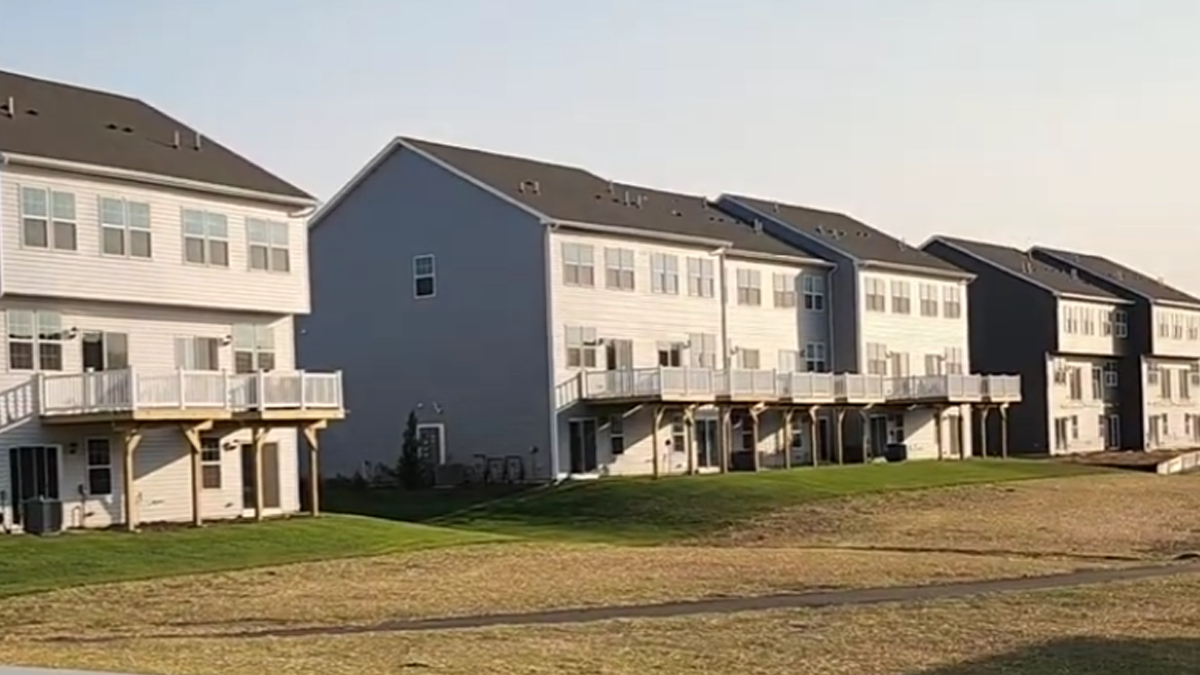
Instead, all Jackson got was townhomes, townhomes, townhomes, empty lots, and more townhomes and high-density residential apartments.
Much of that vision never materialized. In fact, it has now turned into an enclave for the growing Orthodox Jewish community in town.
A bait-and-switch on the level of Adventure Crossing.
Instead, portions of the development have evolved into a residential community populated predominantly by Orthodox Jewish families, and now one of its amenities has become the center of a growing controversy.
Community pool now separates men and women
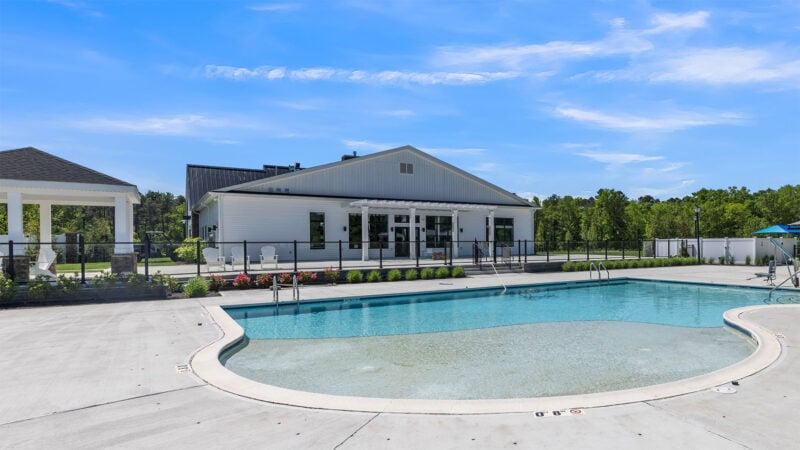
Residents at The Club at Jackson 21 are objecting to a homeowners association policy that limits co-ed swimming to just three hours each day while reserving the remaining six hours for separate men’s-only and women’s-only swim sessions.
The rotating schedule, posted for the 2026 summer season, designates three-hour blocks exclusively for women and three-hour blocks exclusively for men. Saturdays and several days at the end of July remain fully open for co-ed swimming. Those days are religious holidays when the Jewish community cannot use the pool, so the rest of the community gets the scraps.
The schedule reflects the religious beliefs of many Orthodox Jewish residents who observe tzniut, or modesty laws, which discourage men and women from swimming together.
Not all residents, however, support the arrangement.
“It is not right, we know you cannot legally segregate by gender,” resident Sunny Burrough told the Asbury Park Press in an interview last week, according to the newspaper. “They claim they are being more flexible but that is not true.”
Original vision replaced by a different reality
Jackson 21 was originally conceived as a destination community that would attract a broad mix of residents and visitors. Leigh’s plans included commercial development, entertainment venues and public spaces alongside housing.
It was all about inclusion, homogenous existence, and freedom to live as you please.
That dream died with its visionary, Mitch Leigh, replaced with profit margins and high-density housing. The Man of Lamancha would be rolling over in his grave if he were to witness what they did to his once ‘impossible dream’.
Today, while hundreds of homes have been built, many of the commercial and entertainment features envisioned in the original proposal—including the hotel, IMAX theater and village-style downtown—were never developed.
There are no village greens. There are no downtown districts filled with aspiring artists and entrepreneurs. The commercial district hasn’t even been discussed in nearly a decade. It simply disappeared. Initially, that district was required before much of today’s development could proceed, but the current town leaders and board members don’t appear to want to hold the project’s feet to the fire.
The homeowners association’s decision to establish gender-specific pool hours has become the latest example of how the community has evolved since those early marketing campaigns, reflecting the preferences of its current resident population while prompting criticism from neighbors who say common amenities should remain equally available to everyone.
Why it matters
The dispute highlights the challenges that can arise when a community’s demographics change over time. Supporters view the schedule as an accommodation for residents’ religious beliefs, while opponents argue that limiting co-ed access to a community amenity raises concerns about equal access and fairness for all homeowners who pay association dues.
 Community News
At New Jersey’s Boardwalks, They’ll Deep Fry Just About Anything
Shore News Network Community News
Why Is There a Giant Yellow Robot on the Side of the Road in Belmar?
Shore News Network Community News
America’s Oldest Dinosaur Is in Ocean County — and It Needed a Neck Job
Shore News Network School and Education News