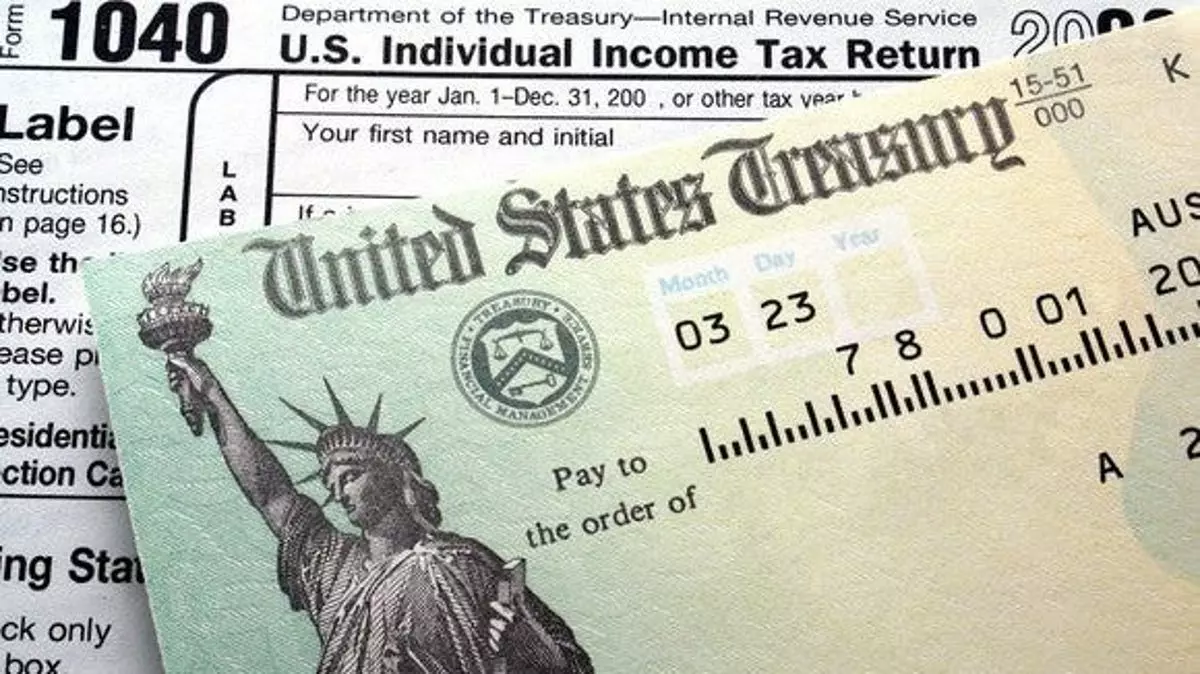
WASHINGTON — The Internal Revenue Service today wrapped up issuing its annual “Dirty Dozen” list of tax scams. The IRS reminds taxpayers to remain vigilant to these often aggressive and evolving schemes throughout the year.
This year’s “Dirty Dozen” list highlights a wide variety of schemes that taxpayers may encounter at any time, although many may peak during tax-filing season. The schemes run the gamut from simple refund inflation scams to complex tax shelter deals. A common theme throughout all: Scams put taxpayers at risk.
The IRS highlighted the “Dirty Dozen” scam list in separate news releases over 12 weekdays. Taxpayers are encouraged to review the list in a special section on IRS.gov and be on the lookout for these ruses throughout the year.
Taxpayers should remember that they are legally responsible for what is on their tax return even if it is prepared by someone else. Consumers can help protect themselves by choosing a reputable tax preparer. For more, see the Choosing a Tax Professional page.
Here is a recap of this year’s ‘Dirty Dozen’ scams:
Phishing: Taxpayers should be alert to potential fake emails or websites looking to steal personal information. The IRS will never initiate contact with taxpayers via email about a bill or tax refund. Don’t click on one claiming to be from the IRS. Be wary of emails and websites that may be nothing more than scams to steal personal information. (IR-2019-26)
Phone Scams: Phone calls from criminals impersonating IRS agents remain an ongoing threat to taxpayers. The IRS has seen a surge of these phone scams in recent years as con artists threaten taxpayers with police arrest, deportation and license revocation, among other things. (IR-2019-28)
Identity Theft: Taxpayers should be alert to tactics aimed at stealing their identities, not just during the tax filing season, but all year long. The IRS, working in conjunction with the Security Summit partnership of state tax agencies and the tax industry, has made major improvements in detecting tax return related identity theft during the last several years. But the agency reminds taxpayers that they can help in preventing this crime. The IRS continues to aggressively pursue criminals that file fraudulent tax returns using someone else’s Social Security number. (IR-2019-30)
Return Preparer Fraud: Be on the lookout for unscrupulous return preparers. The vast majority of tax professionals provide honest, high-quality service. There are some dishonest preparers who operate each filing season to scam clients, perpetuate refund fraud, identity theft and other scams that hurt taxpayers. (IR-2019-32)
Inflated Refund Claims: Taxpayers should take note of anyone promising inflated tax refunds. Those preparers who ask clients to sign a blank return, promise a big refund before looking at taxpayer records or charge fees based on a percentage of the refund are probably up to no good. To find victims, fraudsters may use flyers, phony storefronts or word of mouth via community groups where trust is high. (IR-2019-33)
Falsifying Income to Claim Credits: Con artists may convince unsuspecting taxpayers to invent income to erroneously qualify for tax credits, such as the Earned Income Tax Credit. Taxpayers should file the most accurate tax return possible because they are legally responsible for what is on their return. This scam can lead to taxpayers facing large bills to pay back taxes, interest and penalties. (IR-2019-35)
Falsely Padding Deductions on Returns: Taxpayers should avoid the temptation to falsely inflate deductions or expenses on their tax returns to pay less than what they owe or potentially receive larger refunds. Think twice before overstating deductions, such as charitable contributions and business expenses, or improperly claiming credits, such as the Earned Income Tax Credit or Child Tax Credit. (IR-2019-36)
Fake Charities: Groups masquerading as charitable organizations solicit donations from unsuspecting contributors. Be wary of charities with names similar to familiar or nationally-known organizations. Contributors should take a few extra minutes to ensure their hard-earned money goes to legitimate charities. IRS.gov has the tools taxpayers need to check out the status of charitable organizations. (IR-2019-39)
Excessive Claims for Business Credits: Avoid improperly claiming the fuel tax credit, a tax benefit generally not available to most taxpayers. The credit is usually limited to off-highway business use, including use in farming. Taxpayers should also avoid misuse of the research credit. Improper claims often involve failures to participate in or substantiate qualified research activities or satisfy the requirements related to qualified research expenses. (IR-2019-42)
Offshore Tax Avoidance: Successful enforcement actions against offshore cheating show it’s a bad bet to hide money and income offshore. People involved in offshore tax avoidance are best served by coming in voluntarily and getting caught up on their tax-filing responsibilities. (IR-2019-43)
Frivolous Tax Arguments: Frivolous tax arguments may be used to avoid paying tax. Promoters of frivolous schemes encourage taxpayers to make unreasonable and outlandish claims about the legality of paying taxes despite being repeatedly thrown out in court. The penalty for filing a frivolous tax return is $5,000. (IR-2019-45)
Abusive Tax Shelters: Abusive tax structures including trusts and syndicated conservation easements are sometimes used to avoid paying taxes. The IRS is committed to stopping complex tax avoidance schemes and the people who create and sell them. The vast majority of taxpayers pay their fair share, and everyone should be on the lookout for people peddling tax shelters that sound too good to be true. When in doubt, taxpayers should seek an independent opinion regarding complex products they are offered. (IR-2019-47)