
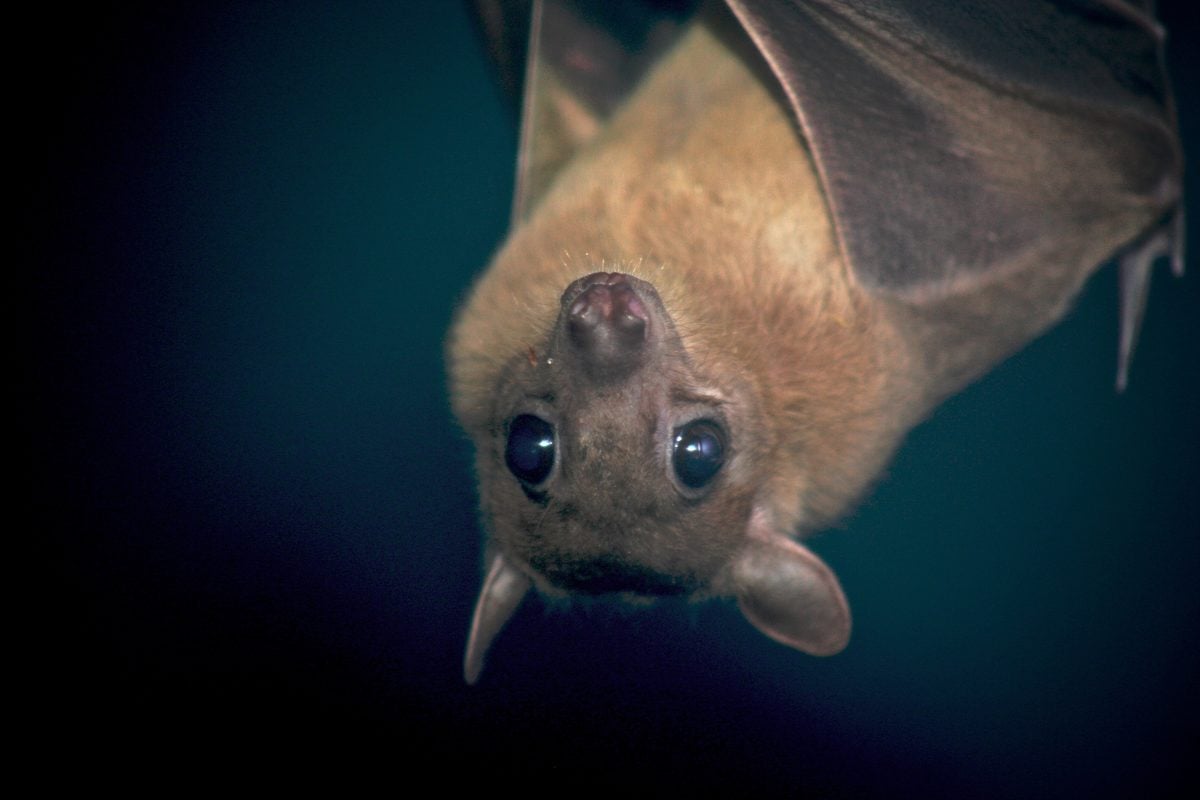
A bat recovered from a Winter Haven-area yard tested positive for rabies, prompting health officials to urge the resident to seek treatment
WINTER HAVEN, Fla. — A Polk County woman who picked up what she believed was a mouse discovered she was holding a live bat that later tested positive for rabies, authorities announced Wednesday.
The encounter happened Sept. 10 in the Eloise area of Winter Haven. According to the Polk County Sheriff’s Office, the resident found the animal in her yard on 8th Street before realizing it was a bat.
State testing confirms sixth rabies case
Polk County Animal Control officers responded, recovered the bat and sent it to a state laboratory for testing.
Animal Control received the positive result Sept. 15. Authorities notified the woman and advised her to contact the Florida Department of Health for medical treatment.
The discovery marks Polk County’s sixth confirmed animal rabies case of 2026.
Polk County has seen other dangerous encounters
The latest case follows a June incident in north Lakeland involving a rabid stray cat. That animal attacked five people and a puppy before it was found dead beneath a home, as Shore News Network reported in its coverage of the rabid cat attacks in Lakeland.
The two cases underscore an ongoing Florida public safety concern involving infected wildlife and unvaccinated domestic animals.
Officials warn residents not to handle bats
The Florida Department of Health identifies bats and raccoons as the state’s primary wildlife sources of rabies. The virus typically spreads through a bite, but infected saliva or nervous tissue can also transmit it through an open wound or contact with the eyes, nose or mouth.
Rabies is nearly always fatal after symptoms develop, but prompt treatment following an exposure can prevent infection.
Health officials advise residents never to touch bats or other wild animals, even if they appear injured, unusually calm or unable to fly. Small bat bites can be difficult to detect.
Anyone who believes a person or pet encountered a potentially rabid animal should contact a medical provider or veterinarian immediately. Polk County Animal Control can be reached at 863-577-1762.
Residents can follow continuing Florida health and local news coverage through Shore News Network.
A bat recovered from a yard in the Eloise area of Winter Haven became Polk County’s sixth confirmed animal rabies case of 2026.
A Polk County woman picked up what she thought was a mouse before learning it was a rabid bat, marking the county’s sixth confirmed case this year.
Florida, Public Safety, Health, Local News, State NewsA bat recovered from a Winter Haven-area yard tested positive for rabies, prompting health officials to urge the resident to seek treatment
WINTER HAVEN, Fla. — A Polk County woman who picked up what she believed was a mouse discovered she was holding a live bat that later tested positive for rabies, authorities announced Wednesday.
The encounter happened Sept. 10 in the Eloise area of Winter Haven. According to the Polk County Sheriff’s Office, the resident found the animal in her yard on 8th Street before realizing it was a bat.
State testing confirms sixth rabies case
Polk County Animal Control officers responded, recovered the bat and sent it to a state laboratory for testing.
Animal Control received the positive result Sept. 15. Authorities notified the woman and advised her to contact the Florida Department of Health for medical treatment.
The discovery marks Polk County’s sixth confirmed animal rabies case of 2026.
Polk County has seen other dangerous encounters
The latest case follows a June incident in north Lakeland involving a rabid stray cat. That animal attacked five people and a puppy before it was found dead beneath a home, as Shore News Network reported in its coverage of the rabid cat attacks in Lakeland.
The two cases underscore an ongoing Florida public safety concern involving infected wildlife and unvaccinated domestic animals.
Officials warn residents not to handle bats
The Florida Department of Health identifies bats and raccoons as the state’s primary wildlife sources of rabies. The virus typically spreads through a bite, but infected saliva or nervous tissue can also transmit it through an open wound or contact with the eyes, nose or mouth.
Rabies is nearly always fatal after symptoms develop, but prompt treatment following an exposure can prevent infection.
Health officials advise residents never to touch bats or other wild animals, even if they appear injured, unusually calm or unable to fly. Small bat bites can be difficult to detect.
Anyone who believes a person or pet encountered a potentially rabid animal should contact a medical provider or veterinarian immediately. Polk County Animal Control can be reached at 863-577-1762.
Residents can follow continuing Florida health and local news coverage through Shore News Network.
