
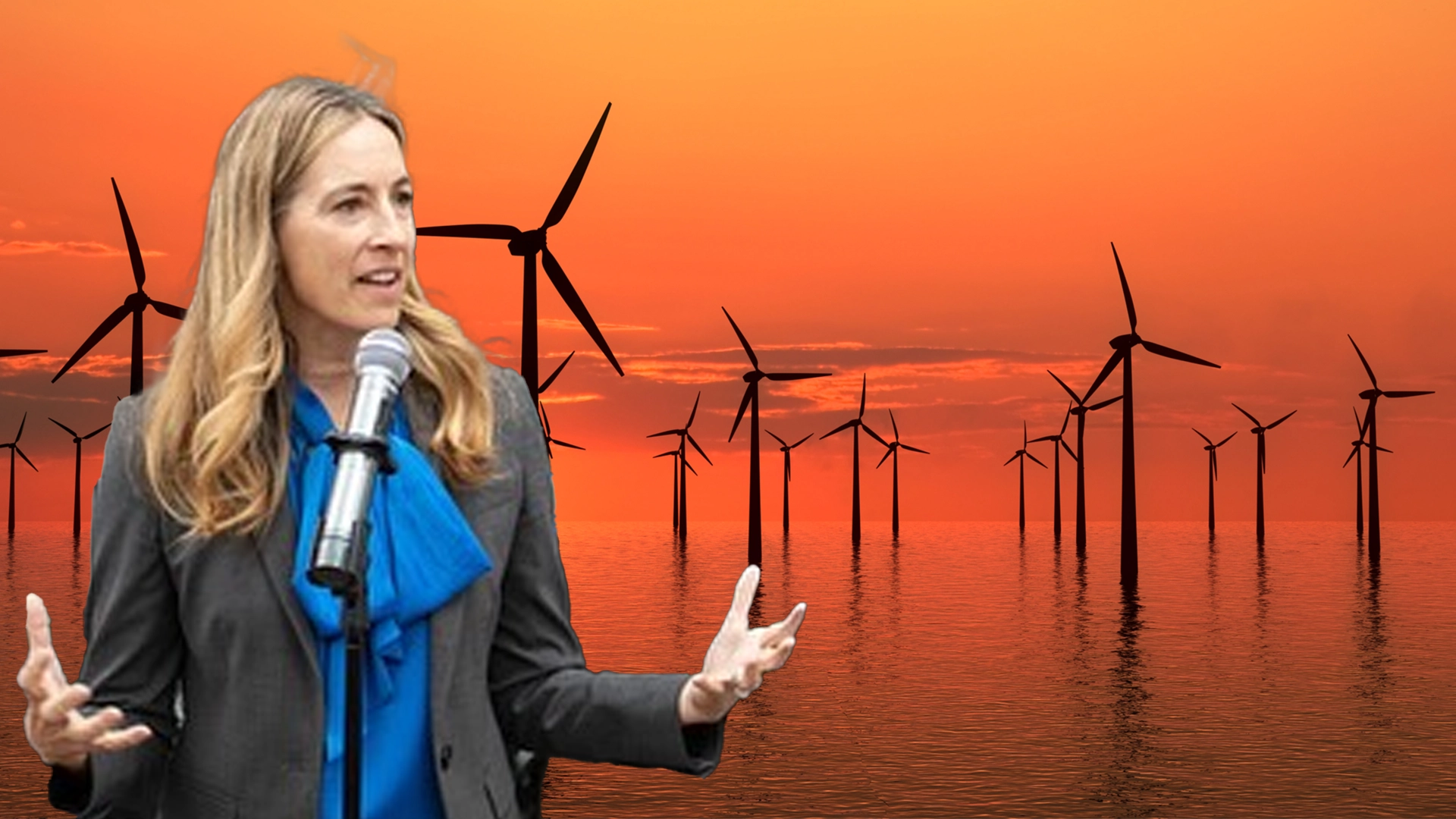
TRENTON, NJ – A new bill introduced in the New Jersey Assembly would prohibit the state’s Economic Development Authority (EDA) from granting any financial subsidies or incentives to wind energy projects, marking the latest pushback against New Jersey’s offshore wind program.
Assembly Bill 6017, sponsored by Assemblyman Gerry Scharfenberger and co-sponsored by Assembly members Gregory E. Myhre, Brian E. Rumpf, and Michael Inganamort, seeks to bar the EDA from providing public funds, tax credits, or grants to developers engaged in wind energy construction or related operations.
The measure reflects growing opposition among some lawmakers to the use of state taxpayer dollars to support offshore wind development, citing fiscal and environmental concerns.
Key Points
- Bill A6017 would prohibit the New Jersey Economic Development Authority from issuing any subsidies or incentives for wind energy projects.
- Sponsors argue the bill protects taxpayers from funding costly renewable energy ventures.
- The measure comes amid ongoing debate over offshore wind’s economic and environmental impact.
Restricting financial support for wind development
Under current law, the EDA can provide economic assistance to clean energy projects through grants, loans, and tax incentives designed to advance renewable energy goals. The proposed legislation would specifically exclude wind energy projects from such eligibility, effectively cutting off state-level financial backing.
Assemblyman Scharfenberger, representing Monmouth County, said the legislation is intended to “protect residents and ratepayers from footing the bill for projects that have yet to prove their long-term benefit.” Co-sponsor Gregory Myhre added that the measure addresses growing public concerns over the cost, environmental impact, and viability of large-scale offshore wind operations along the Jersey Shore.
Context and policy implications
The bill follows months of debate surrounding New Jersey’s aggressive offshore wind targets, part of the state’s clean energy transition plan. Supporters of A6017 argue that market forces—not public subsidies—should determine whether wind energy projects move forward.
Opponents, including renewable energy advocates, are likely to argue that ending subsidies could stall investment, cost local jobs, and undermine the state’s climate goals. The EDA has previously partnered with developers to promote manufacturing and port infrastructure tied to wind turbine assembly and logistics.
Legislative outlook
The bill will be reviewed by the Assembly committee overseeing economic development and energy matters. If approved, it would represent a significant policy shift, limiting one of the state’s main tools for financing renewable energy expansion.
While the Murphy administration continues to pursue offshore wind as a cornerstone of its clean energy strategy, the measure signals growing legislative skepticism about the cost and execution of such projects.
If enacted, A6017 would effectively end state-backed financial support for wind energy ventures, redirecting New Jersey’s economic development resources away from one of its most prominent renewable energy initiatives.