
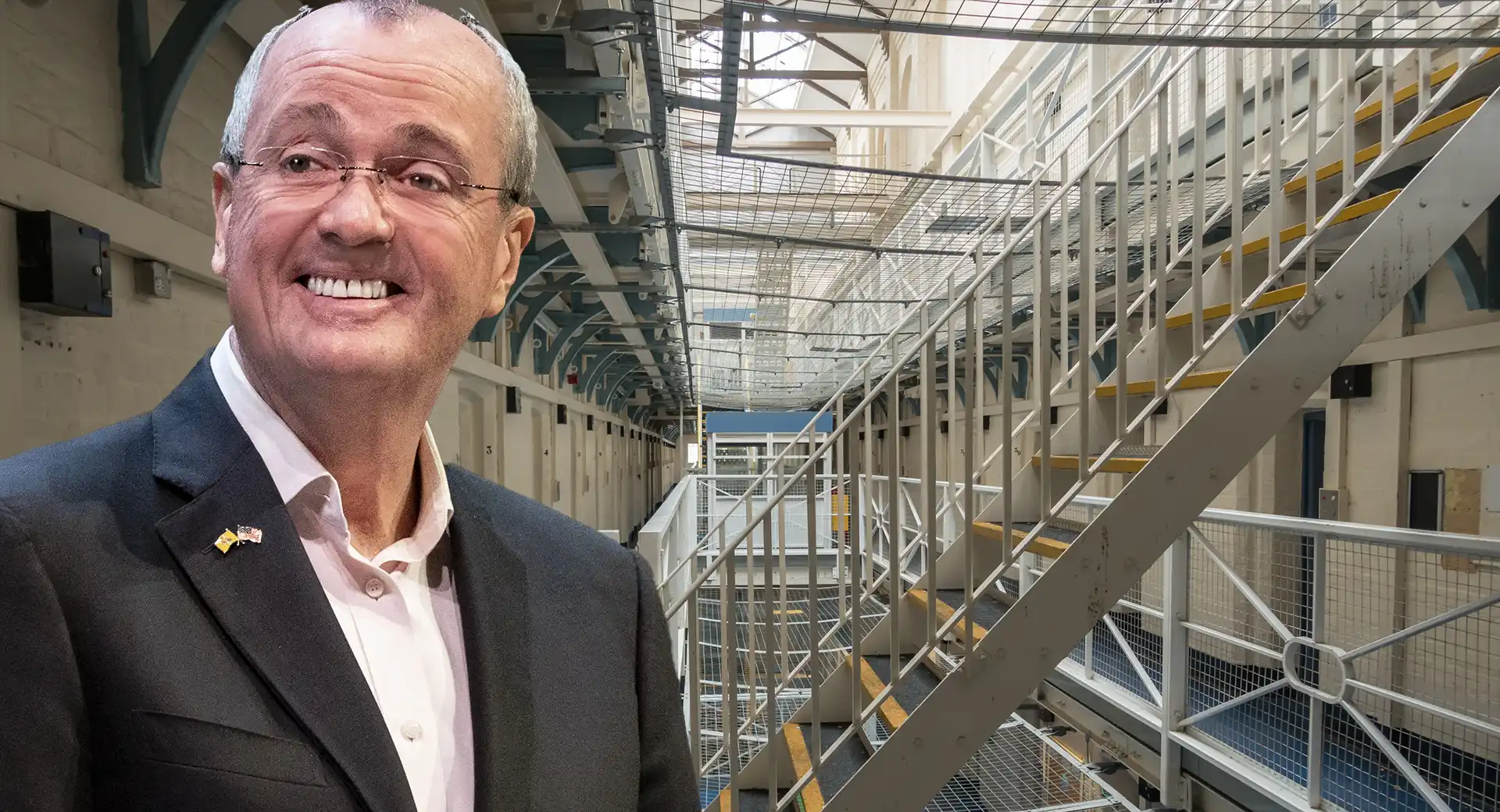
TRENTON, N.J. – Governor Phil Murphy has commuted the sentences of 11 people convicted of murder or manslaughter, the latest and most controversial wave in his sweeping clemency initiative that has now granted relief to more than 200 offenders across New Jersey.
The November action, part of Murphy’s expanding clemency program, immediately set off sharp debate over justice, rehabilitation, and public safety.
The move follows his 2024 creation of the state’s first Clemency Advisory Board, which reviews applications and recommends cases for mercy.
A governor reshaping clemency in New Jersey
Murphy’s Executive Order No. 362, signed in June 2024, transformed how New Jersey handles pardons and commutations by formalizing a process historically used sparingly. Under prior administrations, clemency decisions were rare and typically granted at the end of a term.
Murphy has now used the power systematically, linking it to goals of criminal justice reform, restorative practices, and “second chances.”
He is emptying New Jersey’s prisons and putting convicted killers back on the streets for second chance.
According to state records, as of November his administration has granted 217 pardons or commutations — more than all other New Jersey governors combined over the past three decades. His office says each case is reviewed through the advisory board, which considers evidence of rehabilitation, community support, and proportionality of sentencing.
The 11 convicted killers now cleared for release
The latest round of commutations includes 11 individuals convicted of murder or manslaughter who will now be released under five years of parole supervision. Among them are Latasha Baker, sentenced in 2014 for murder and robbery; Rashawn Carter, serving a 107-year term for felony murder and robbery; and Anthony Leahey, convicted of three murders in 2001.
Others include Timothy Harris, convicted in 1993 of murder and robbery; Charles Johnson, sentenced in 2003 for felony murder; Karla Freeman and Sammy Moore, both serving long terms for murder and related offenses; and Laciana Sears, convicted of aggravated manslaughter in 2019. Also commuted were Tivon Neals, Ronald McGraw, and Rasool McCrimmon, each serving multi-decade sentences for murder or manslaughter.
Three additional men previously convicted of murder or felony murder who were already on parole also received commutations.
Expanding the idea of redemption
Murphy has described his initiative as rooted in fairness and redemption, emphasizing that the criminal justice system should evolve with society’s understanding of rehabilitation. The Clemency Advisory Board, composed of legal experts and community advocates, evaluates each petition with recommendations submitted to the governor.
Supporters of the program say the initiative reflects a forward-thinking approach that recognizes transformation and rehabilitation even in cases once considered untouchable. They argue that many offenders have demonstrated decades of good conduct, educational progress, and remorse, warranting a second chance outside prison walls.
As of this month, 217 New Jersey inmates have had their sentences shortened or erased under Murphy’s administration, 11 of them convicted killers soon to walk free under state supervision.