
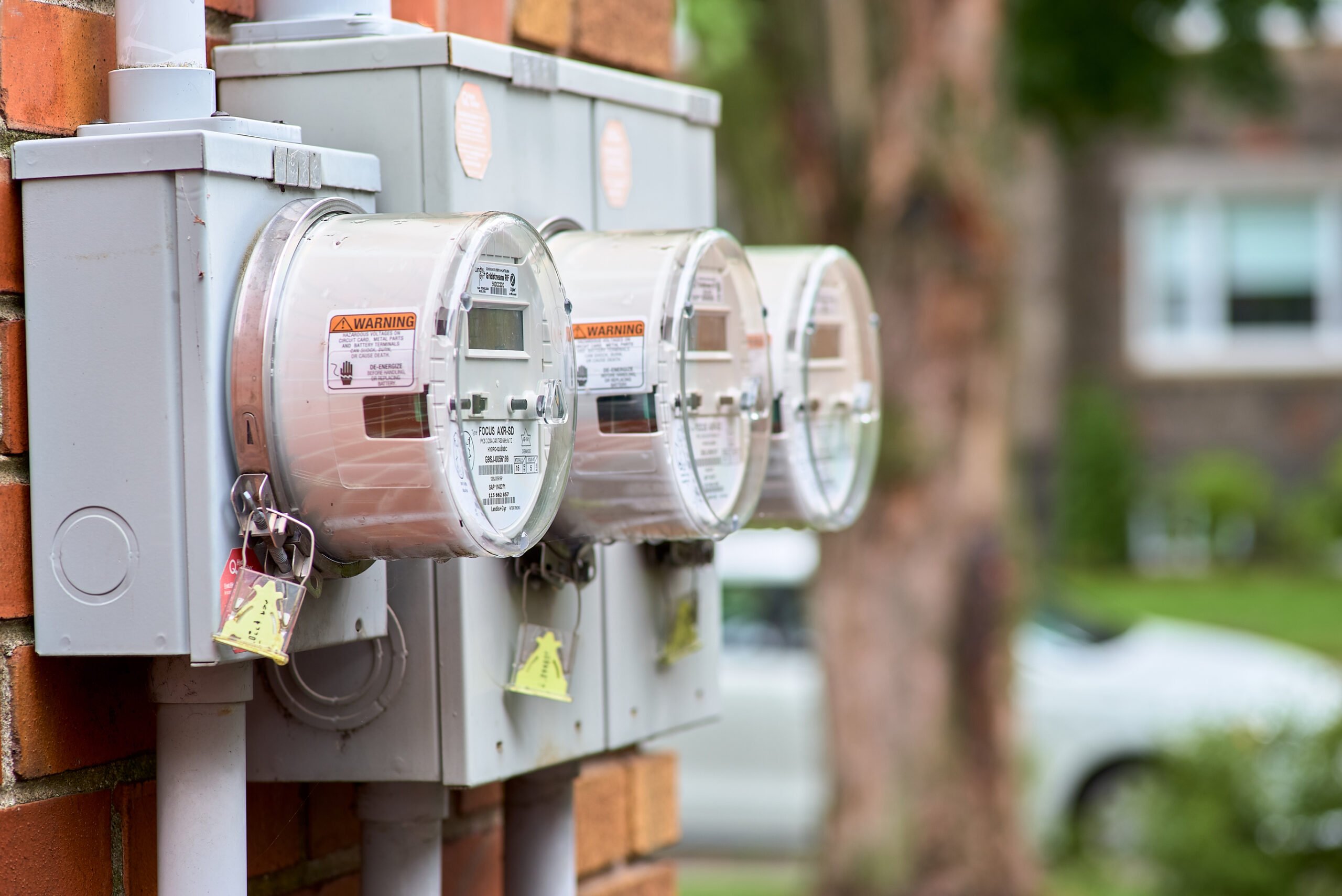
Rising supply charges, grid demand, and energy market costs are pushing New Jersey electric bills higher, leaving many residents questioning why their monthly payments continue to climb.
Trenton, NJ – Electric bills across New Jersey have surged in recent years, leaving many households struggling to understand why their monthly costs continue to rise even when their energy usage stays the same.
While many customers blame utilities for sudden increases, energy experts say a large portion of the spike is tied to complex wholesale electricity market costs and supply charges that appear on bills but are often poorly understood by consumers.
Key Points
• Electric bills across New Jersey rose about 17–20% in mid-2025
• Supply and capacity charges now make up roughly half of many bills
• Demand from data centers and power plant closures are driving costs higher
Electric bills surged in 2025
New Jersey residents saw some of the sharpest increases begin June 1, 2025, when electricity rates jumped significantly across the state.
Customers served by utilities including PSE&G, Jersey Central Power & Light, Atlantic City Electric, and Rockland Electric saw average monthly bills rise by roughly $20 to $30. For some households with higher usage, the increases were even larger during the summer months when air conditioning demand surged.
The hikes were largely tied to wholesale electricity auction results that determine supply costs across the region.
What many residents call “hidden fees”
While bills may appear to contain unexplained charges, energy analysts say these costs are not technically hidden fees but pass-through supply and capacity charges that utilities must pay in the regional electricity market.
In New Jersey, roughly half of a residential electric bill comes from supply costs set through wholesale auctions run by PJM Interconnection, the regional grid operator serving much of the eastern United States.
These charges cover the cost of generating electricity and ensuring enough power plants are available to meet demand during peak usage periods.
Because the prices are set in regional auctions rather than directly by utilities, they can fluctuate significantly from year to year.
Demand from data centers increasing costs
One of the biggest factors pushing prices upward is rapidly growing electricity demand from large data centers.
The expansion of artificial intelligence infrastructure and cloud computing facilities has dramatically increased power consumption across the PJM region. Analysts estimate that data centers alone accounted for more than $9 billion of a roughly $14.7 billion rise in electricity market costs in recent years.
These facilities often consume as much electricity as entire cities, placing additional strain on the grid and driving up prices during capacity auctions.
Power plant closures limiting supply
Another major issue is the shrinking number of power plants generating electricity in the region.
Over the past decade, New Jersey has lost about 2.5 gigawatts of electricity generation capacity, or roughly 15 percent of its total power supply. This includes the closure of the Oyster Creek nuclear plant and several other generating facilities.
With fewer power plants available, the grid must rely on more expensive generation sources or import electricity from other states during periods of high demand.
Seasonal factors also drive spikes
Electricity costs also tend to rise during the summer when demand peaks.
Heat waves can cause energy usage to spike as millions of homes run air conditioners simultaneously. When supply becomes tight, wholesale electricity prices increase, and those costs are eventually passed through to customers.
Inflation and rising fuel prices have also contributed to higher energy production costs in recent years.
Slight relief expected in 2026
Some relief may be on the way for New Jersey residents in 2026.
The latest wholesale electricity auction results show that some utility customers could see small changes in their monthly bills starting this summer.
PSE&G customers are expected to see about a 1.8 percent decrease, while Rockland Electric customers could see a 0.7 percent drop. Atlantic City Electric customers may see a minimal increase of about 0.11 percent, and JCP&L customers could experience a 1.6 percent increase.
While the changes are relatively small, state officials say they represent greater stability compared with the sharp increases seen in 2025.
State officials push relief measures
New Jersey officials have taken several steps to try to ease the financial burden on residents.
The Board of Public Utilities approved programs that provide bill credits to many households, including credits worth about $100 spread over several months. These programs are designed to offset some of the increases caused by wholesale electricity prices.
Additional measures include spreading certain costs over multiple billing cycles and implementing policies aimed at preventing sudden spikes in future electricity auctions.
Long-term solutions being debated
Energy policy experts say solving the problem will require longer-term changes to the state’s electricity system.
Proposals under discussion include expanding solar power, increasing battery storage, modernizing the electric grid, and encouraging greater energy efficiency across homes and businesses.
Some policymakers are also exploring ways to require large data centers to supply their own electricity or contribute more directly to the cost of grid upgrades.
Other proposals focus on building new power generation sources or extending the life of existing plants to stabilize electricity supply.
Transparency and affordability concerns
For many residents, the biggest frustration remains the complexity of electric bills.
Because supply costs are set through regional markets and passed through to consumers, the charges can appear confusing and unpredictable. Advocates say improving transparency and giving consumers clearer explanations of how electricity pricing works could help reduce confusion.
For now, however, energy experts say New Jersey residents should expect electricity prices to remain sensitive to market conditions, demand growth, and energy policy decisions in the years ahead.